
Politics
Anambra SAN Backs Atiku’s Fuel Subsidy Plan, Demands Accountability for Subsidy Savings

By SSolo Muokwugwo
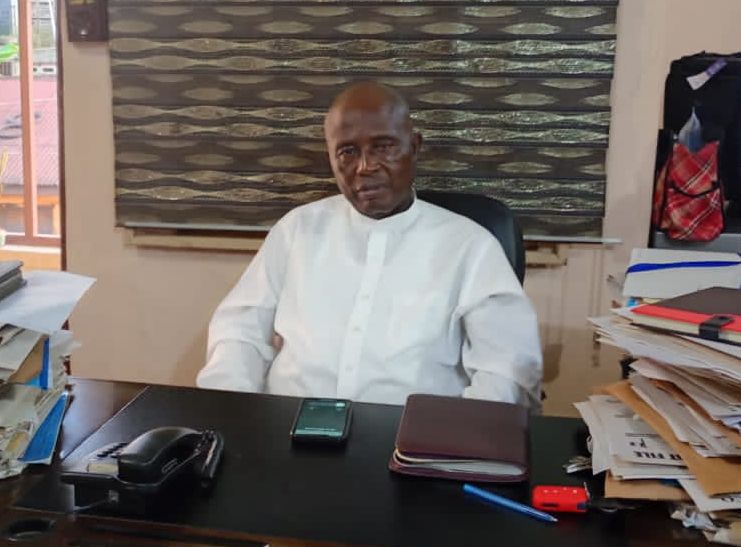
A Senior Advocate of Nigeria (SAN) in Anambra State, Chief Ben Uzuegbu, has backed the proposal by the African Democratic Congress (ADC) presidential candidate, Alhaji Atiku Abubakar, to restore fuel subsidy if elected president in 2027, arguing that government should protect Nigerians from the rising cost of energy.
Uzuegbu said subsidy itself was not the problem, but the corruption and alleged leakages associated with its implementation, insisting that government could retain a subsidy regime while putting mechanisms in place to prevent abuse.
Atiku, in media interviews and public addresses in August 2026, said he would restore fuel subsidy if elected president, arguing that ordinary Nigerians had yet to benefit meaningfully from the savings expected to accrue from its removal.
The former vice president has also maintained that he is not opposed to ending the old importation-based subsidy system, but has advocated a model that would redirect support towards domestic production, including supplying crude oil to local refineries at preferential rates.
Speaking in an interview with our correspondent, Uzuegbu described the proposed return of fuel subsidy as a policy Nigerians should support, noting that governments around the world subsidise essential commodities and services, including energy and agricultural products.
“Reintroduction of fuel subsidy is a policy that every right-thinking Nigerian should support. I am aware that in the implementation of fuel subsidy, a lot of corrupt practices come to play, but it depends on the government in power,” he said.
According to the legal practitioner, corruption associated with subsidy implementation can be addressed through effective monitoring and accountability.
He alleged that some importers could inflate the volume of petroleum products declared to government in order to obtain higher subsidy payments.
“Someone may decide to import 100 barrels, but will give a quotation of 1,000 barrels. This is a common practice among fuel importers. If government is willing to stop the corruption associated with fuel subsidy, it can do so,” Uzuegbu said.
He argued that government should not allow ordinary Nigerians to bear the full burden of higher petroleum prices because of its inability to effectively tackle crude oil theft and other leakages in the petroleum sector.
Uzuegbu also questioned the economic gains of subsidy removal, asking what had happened to the funds saved since the policy was introduced.
“In the past three years, removal of fuel subsidy has caused hyperinflation in Nigeria. Three years after fuel subsidy removal, where is the money realised from it? How much has been realised, and what has it been used for?” he asked.
The lawyer further questioned whether Nigerians had experienced significant improvements in key economic indicators since the removal of the subsidy.
“Is Nigeria’s GDP and inflation getting better after the subsidy removal? Has the naira exchange rate against the dollar gotten any better?” he asked.
Uzuegbu maintained that Nigeria, as a major oil-producing country, should not be an exception to the practice of subsidising energy, arguing that the focus should instead be on eliminating corruption from the system.
“All the countries producing oil all over the world subsidise fuel. Nigeria cannot be an exception. So, my suggestion is that fuel subsidy should be there, while the government should make efforts to fight corruption associated with it,” he said.
The Anambra-based lawyer also criticised the Federal Government for what he described as inadequate investment in domestic refining capacity despite the revenue and savings associated with subsidy removal.
He questioned why more resources had not been channelled into rehabilitating Nigeria’s existing refineries or constructing additional ones.
“Why has the Nigerian government refused to plough the money realised from subsidy removal into building refineries in Nigeria? Look at Dangote. He started from the scratch, and look at where he is today,” Uzuegbu said.
His comments come amid renewed debate over Nigeria’s petroleum pricing policy, domestic refining capacity, the cost of living and how government should balance fiscal reforms with measures to cushion the impact of rising energy costs on citizens.
#AtikuAbubakar #FuelSubsidy #Nigeria #ADC #2027Election #PetroleumSubsidy #BenUzuegbu #Anambra #DangoteRefinery #NigerianEconomy #FuelPrice #Politics