

Features
OIL FLOWS, POVERTY REMAINS: Inside Anambra Communities Where Crude Has Yet to Bring Development

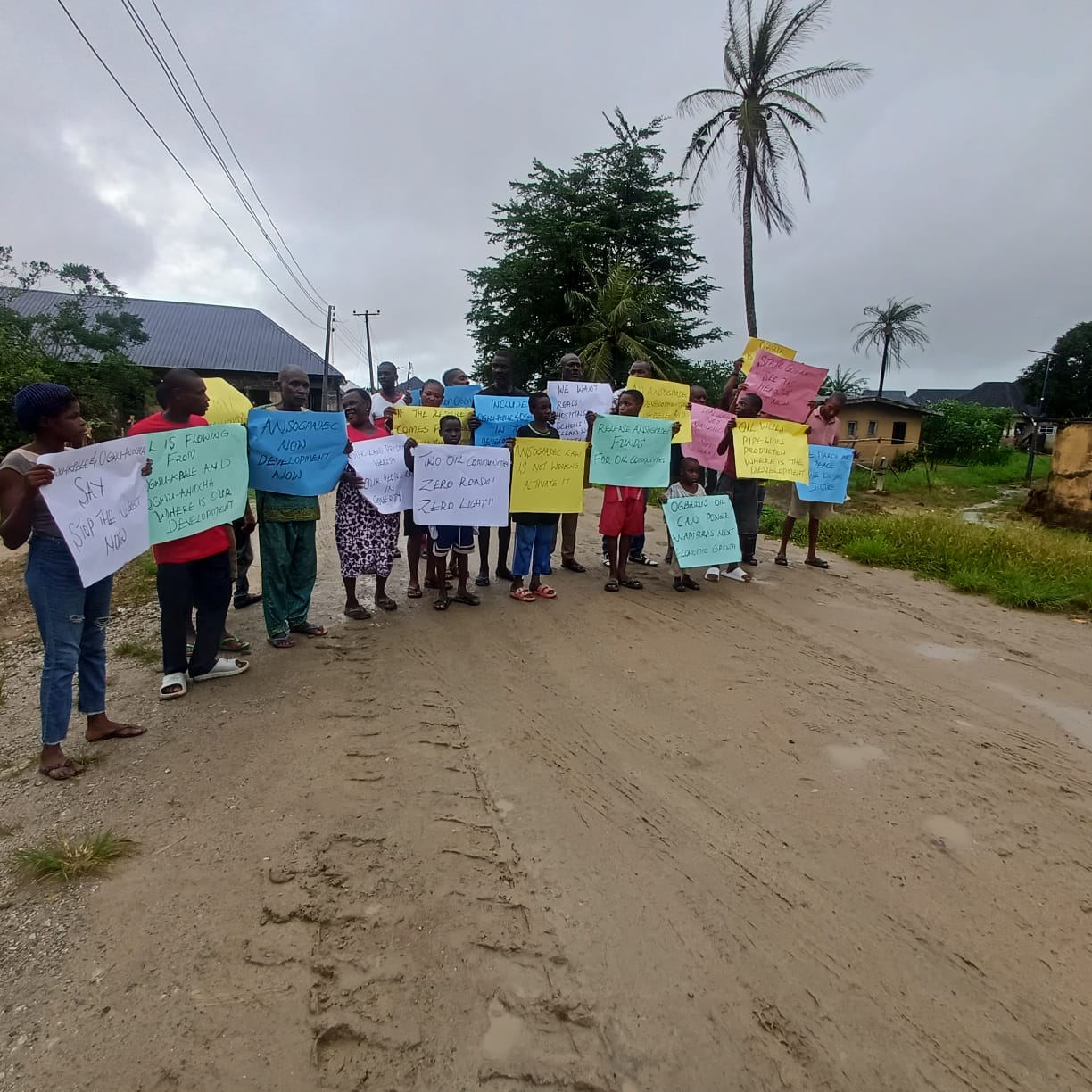
Ogwuaniocha and Ogwuikpele host oil operations, but residents say they remain trapped by bad roads, darkness, poor healthcare, weak schools and environmental fears.
By Uchenna Ezeadigwe | Awka
Crude oil lies beneath their soil. But above the ground, many residents of Ogwuaniocha and Ogwuikpele communities in Ogbaru Local Government Area of Anambra State say they are still waiting for the basic benefits of development.
The roads are impassable. Electricity is unreliable or unavailable in many areas. Healthcare facilities are inadequate. Schools struggle. Clean water remains a concern.
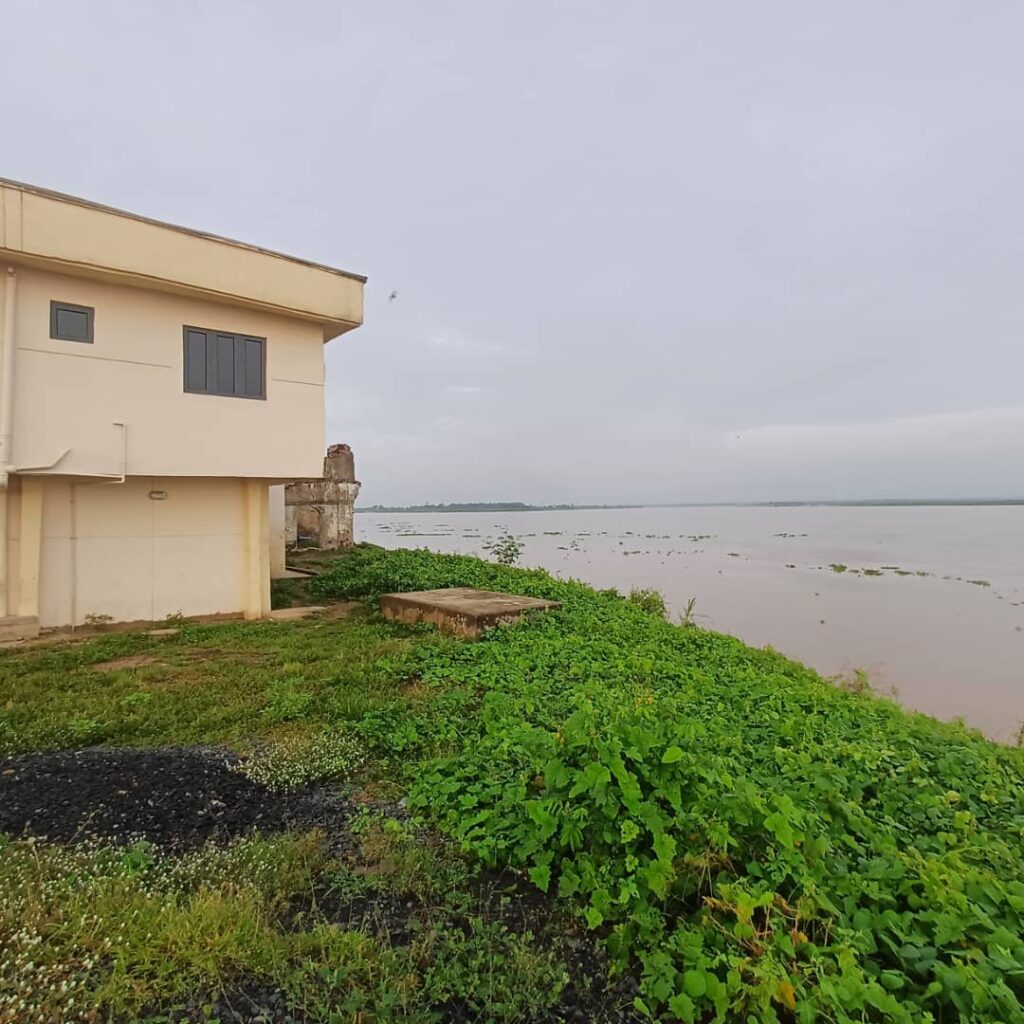
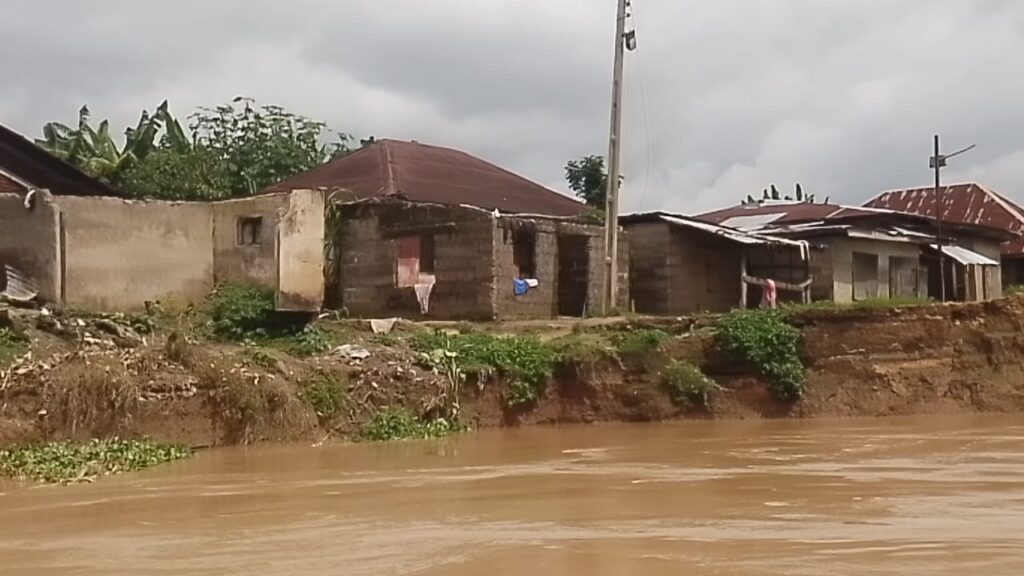
And for residents of Ogwuikpele, particularly during rainy and flooding seasons, movement can depend heavily on boats. Yet, these are communities hosting petroleum operations. For the local residents, it is a contradiction that has become increasingly difficult to accept.
“Oil is being taken from our land, but what has come back to us?” is the question running through the complaints of community leaders, women and youths interviewed for this report.
Their anger is directed at government and Sterling Oil Exploration and Energy Production Company Limited, SEEPCO, the company associated with petroleum operations in the area. The communities say they are not demanding luxury.
They want roads. Portable water. Electricity. Hospitals. Schools. Jobs for their children. And, above all, answers.
“WE THOUGHT GOOD THINGS HAD COME”
When oil operations came to Ogwuikpele, residents said they believed development would follow. According to the traditional ruler of Ogwuikpele, Igwe Anagboso Anselm Bernard Ignatius Okaka, Odua Ukwu, that expectation has turned into disappointment.
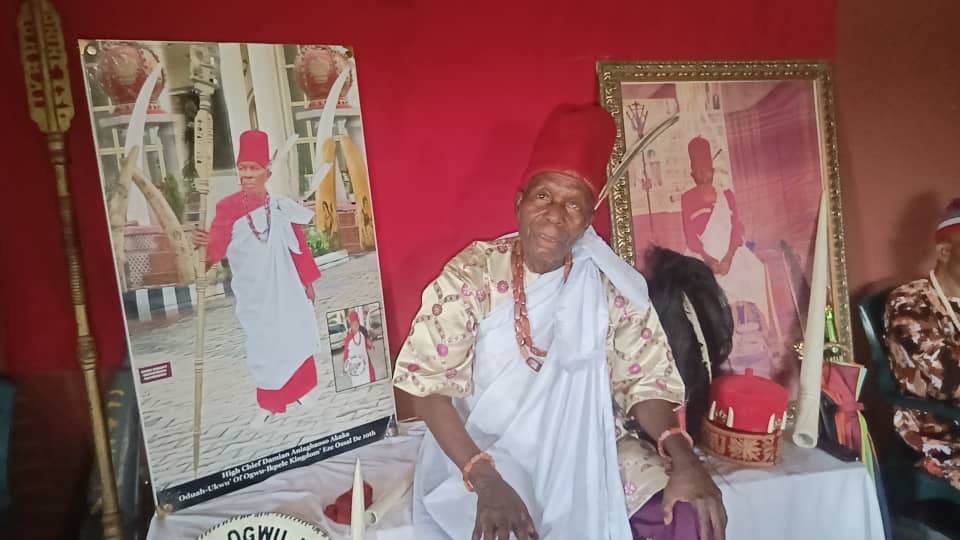
“When the oil exploration company SEEPCO came into our community, we thought good things had come to stay. We never knew we were going to face the worst of it all.”
The monarch said the community still lacks basic infrastructure.
“We do not have good roads, pipe-borne water, electricity, a hospital or a good school. The school our children are managing is owned by the Church. We are living in darkness.”
His words capture the central grievance of the community.
How can oil be produced from a community while the people producing the host environment remain without basic social infrastructure?
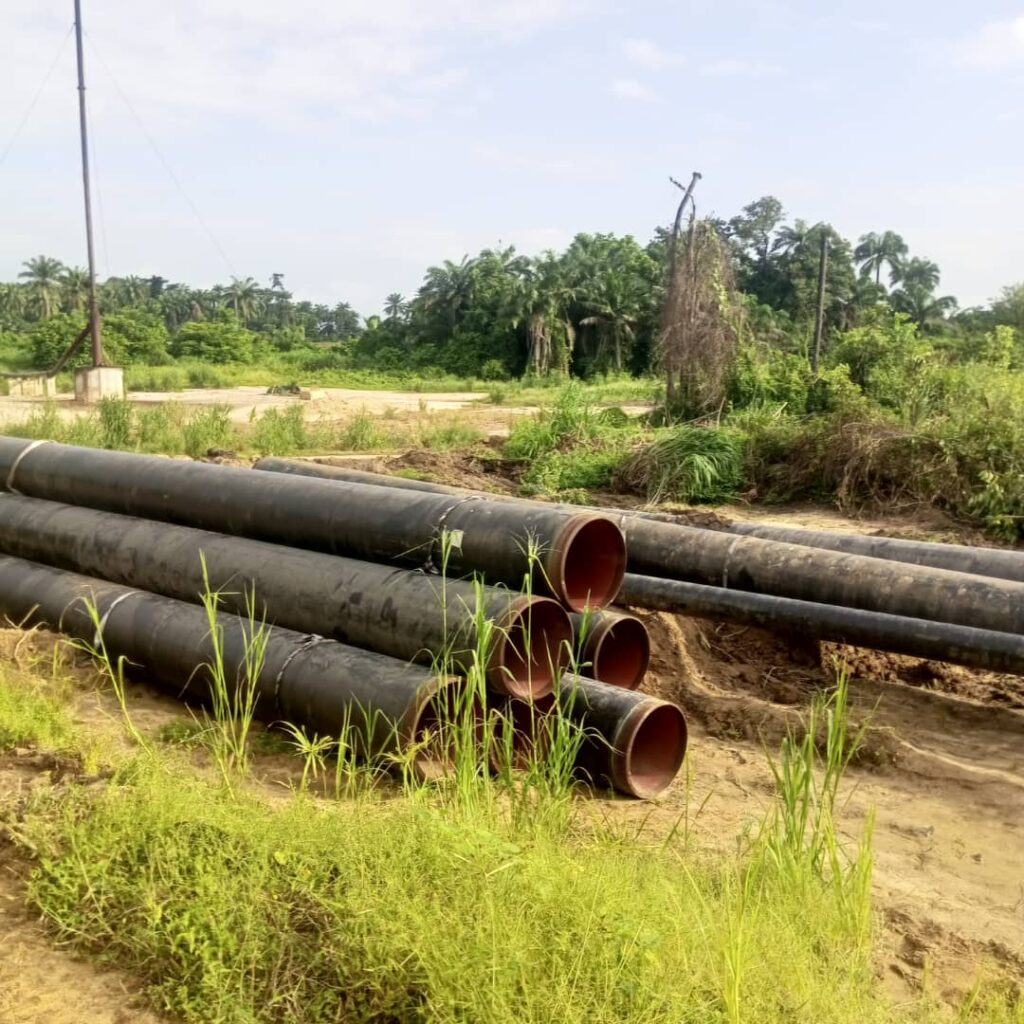
The monarch appealed to the Federal and Anambra State Governments to intervene.
“We plead with the Federal and State Governments to come to our aid.”
CRUDE ABOVE THE GROUND, BUT NO ROAD TO DRIVE ON
The hardship begins with access. The journey into Ogwuaniocha becomes increasingly difficult along sections of the route from Atani through Umunankwo and Mputu. Motorcycles have become one of the most practical means of movement in some areas. For Ogwuikpele, the situation can be even more challenging.
During periods of heavy rainfall and flooding, residents say access by road becomes severely affected, forcing greater dependence on boats. For a farmer trying to take produce to the market, poor access means higher transport costs and reduced profits. For a pregnant woman, it can mean something far more serious.
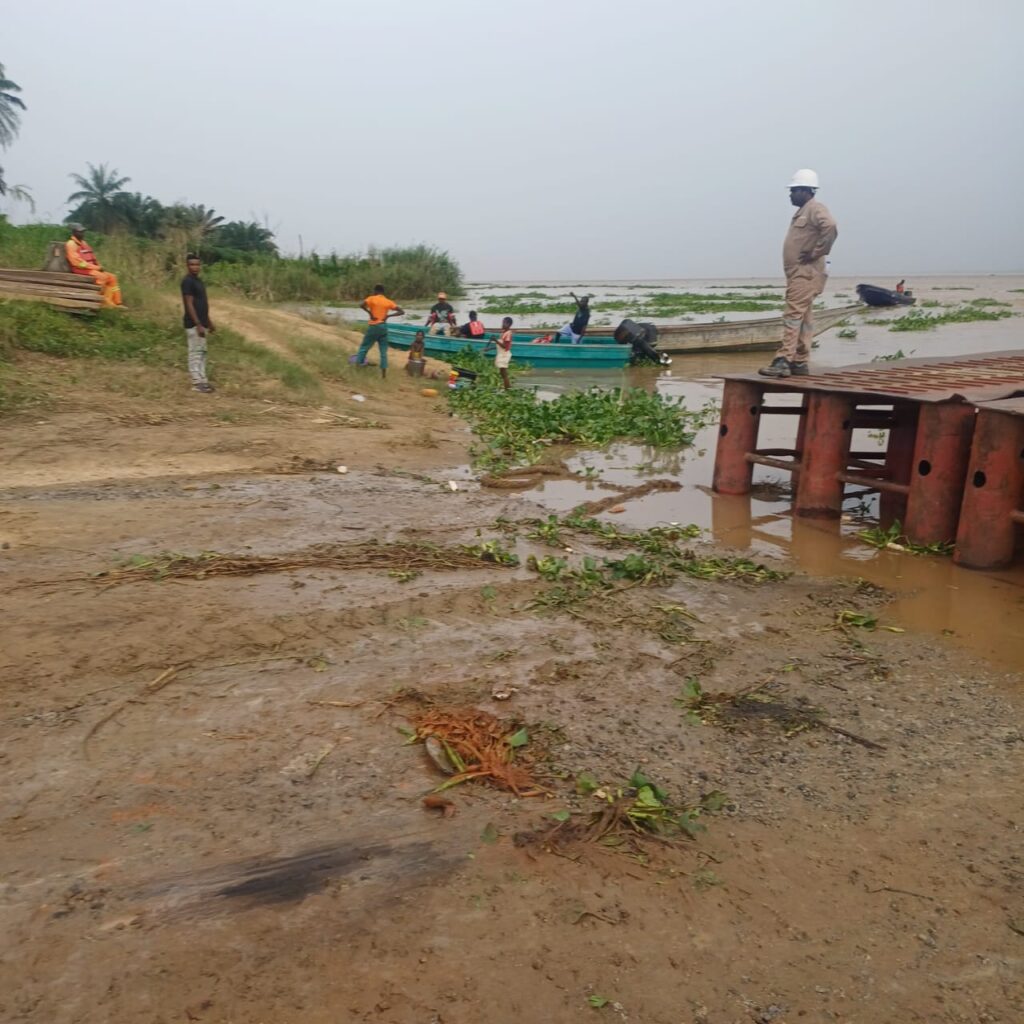
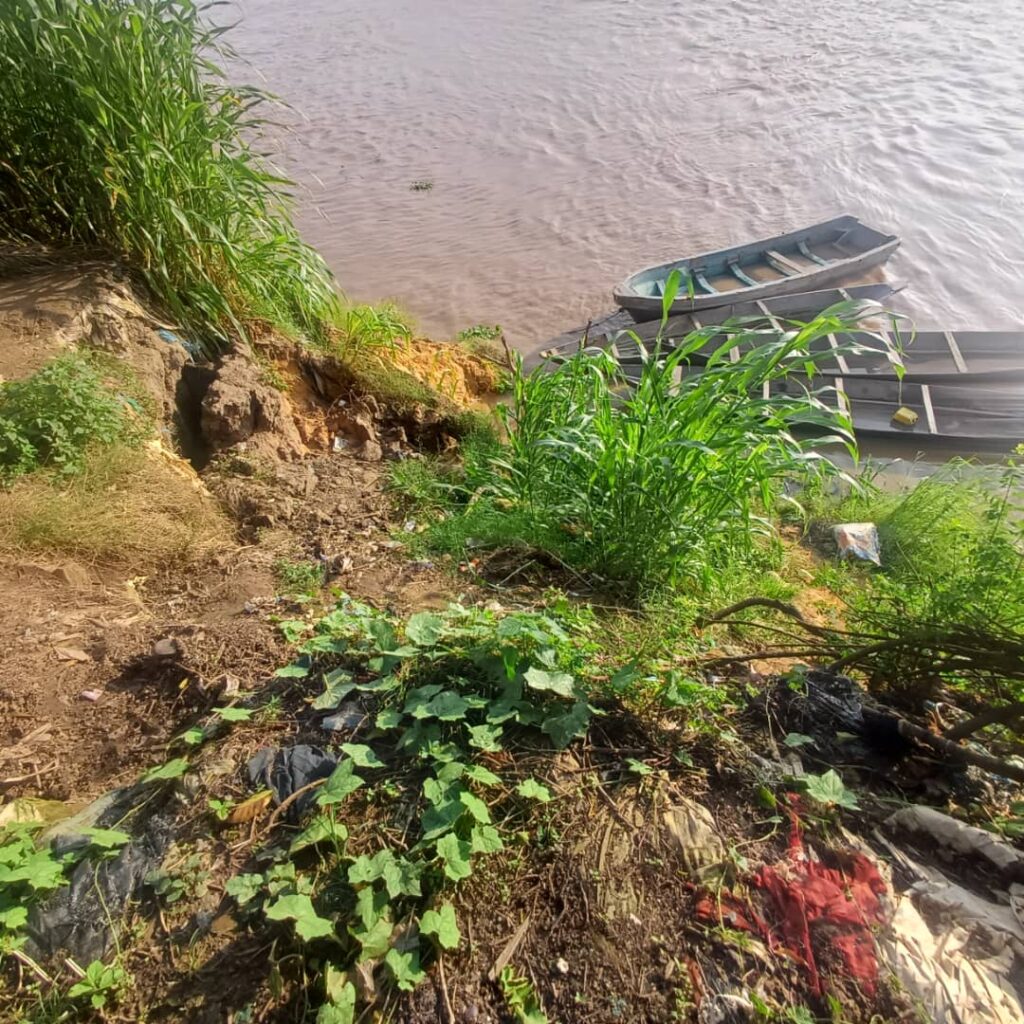
The Women Leader of Ogwuikpele, Mrs Gladys Chukwudobi Nzeani, said the absence of good roads and adequate healthcare facilities has become a major source of fear for families.
“When a woman is pregnant and wants to deliver, we find it difficult to transport her to neighbouring communities because there is no road, no good hospital and no electricity.”
For the people, the irony is painful. An oil-producing community where residents struggle to move from one place to another.
“THERE IS NOTHING TO SHOW”
The President-General of Ogwuikpele, Hon. Esumai Patrick Chukwudi, accused SEEPCO of failing to deliver meaningful development to the community.
“There is nothing to showcase in Ogwuikpele.”
Chukwudi said residents remain concerned about unemployment, electricity and water supply.
“There is no electricity, no jobs for the youths and no water.”
He also questioned the level of information available to the host community concerning petroleum production and evacuation.
The community wants greater transparency regarding the volume of crude produced from the area, the obligations of the operator and the benefits accruing to the host communities.
In Ogwuaniocha, the President-General, Hon. Vitalis Ekwuanua, expressed a similar frustration.
“We have oil in our communities, yet we are suffering the effects of oil exploration.”
According to him, residents have seen little development despite years of petroleum activities.
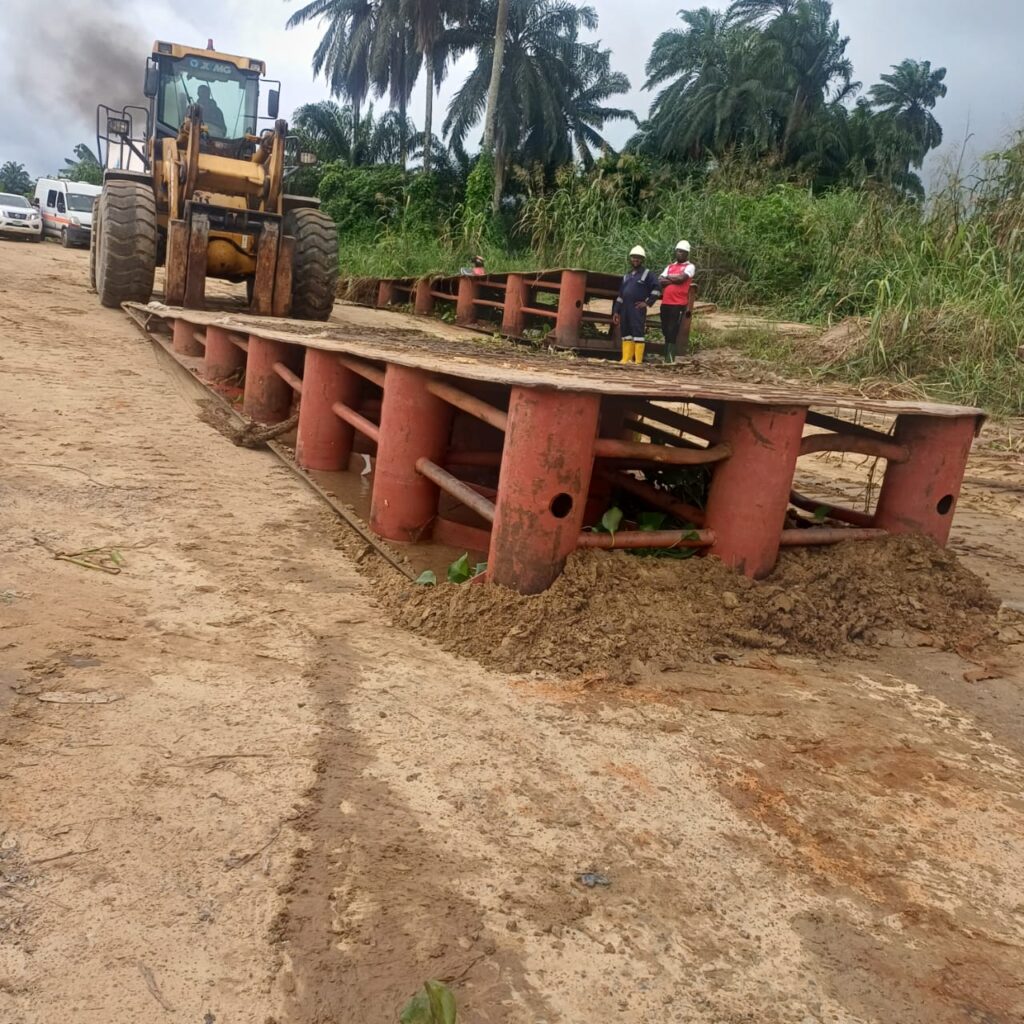
THE PRICE OF ISOLATION
For Ogwuikpele residents, isolation has made everyday life more expensive. Goods transported through waterways attract additional transportation costs.
Residents said the price of basic commodities can be significantly higher because of the difficulty of bringing goods into the community. Healthcare is another major concern.
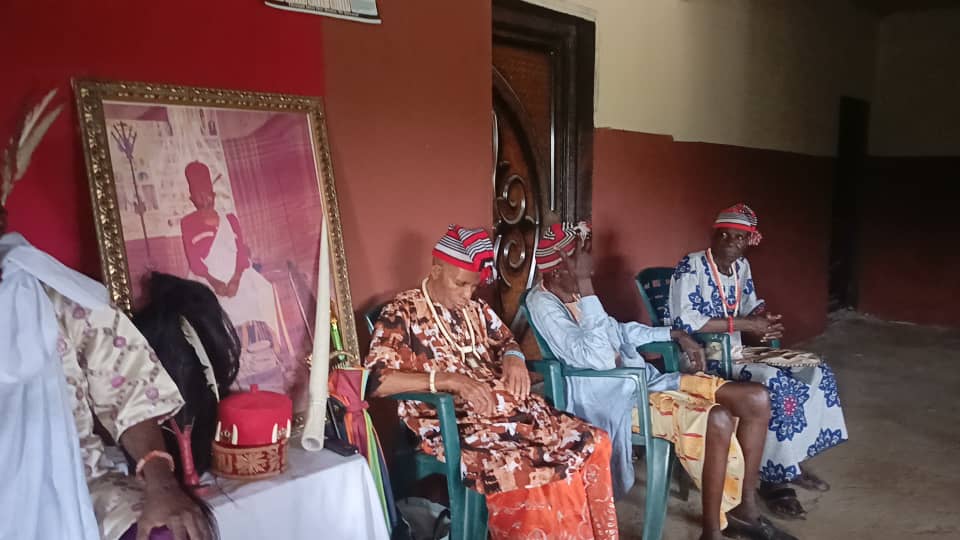
Mrs Victoria Onwuahammadu, a community woman leader, described life in the community as difficult.
“Life is unbearable for us in this community. I can’t remember the last time I saw electricity or received proper health and medical attention.”
For families living in remote areas, access to a hospital is not simply a matter of convenience. It can determine whether a medical emergency is successfully treated or becomes a tragedy.
Residents are therefore demanding functional healthcare facilities and improved emergency access.
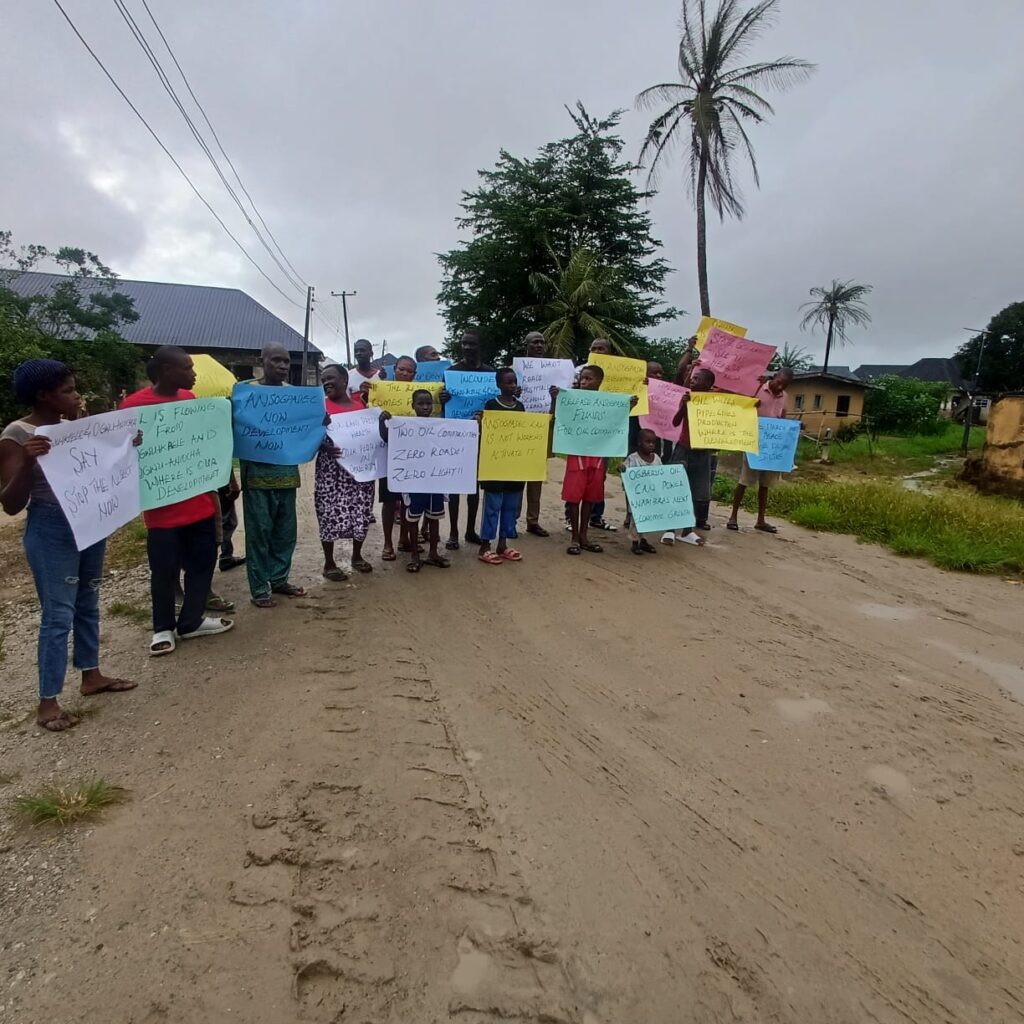
CHILDREN GROWING UP WITH OIL, BUT WITHOUT ADEQUATE SCHOOLS
The communities’ concerns extend to education.
Residents said schools require more teachers and improved facilities. Chief Innocent Awogu, a former youth leader, called for urgent intervention in education.
In Ogwuikpele, the traditional ruler said the community lacked an adequate public school system and that children depend significantly on a Church-owned institution.
The community’s leaders also raised concerns about opportunities for young people. Hon. Chukwudi alleged that promises relating to scholarships had not been fully implemented.
“They promised us scholarships four years ago. They gave about 20 persons school scholarships in the first year, and that was all.”
The National Youth Secretary, Mr Titus Uchenna Nwosu, also alleged that an agreement between the community and the company had expired without renewal.
The specific terms and implementation of such agreements would require verification through the relevant documents and records. But for the youths, the concern remains clear:
What opportunities are petroleum operations creating for the young people whose communities host them?
FARMING, FISHING AND ENVIRONMENTAL FEARS
Ogwuaniocha and Ogwuikpele are communities where farming and fishing are important sources of livelihood.
Residents say they are concerned about the possible impact of petroleum activities on their environment. Ekwuanua said residents had observed changes affecting agricultural production and aquatic life.
“Our aquatic life, agricultural production and environment have all been affected.”
Other residents raised concerns about alleged pollution and gas flaring.
These allegations require independent environmental assessments and regulatory evidence to establish the nature and extent of any impact. But the concerns have increased demands for transparency.
For people who depend on the land and rivers for survival, environmental protection is not an academic debate. It is their livelihood.
ANSOPADEC: HOPE OR ANOTHER PROMISE?
The communities are now looking towards the Anambra State Oil and Gas Producing Areas Development Commission, ANSOPADEC.
Community leaders say the commission must not become another government institution whose existence is felt only in official statements. Mr Izuka Udoka, an Ogwuaniocha indigene, said the communities want effective structures that will deliver development to oil-producing areas.
The Youth President-General of Ogwuaniocha, Engr. Uchenna Onyedi, also called for meaningful representation of host communities.
The Chairman of the Ogbaru Oil and Gas Technical Committee, OOGTC, Engr. Anthony Egwuatu, said the communities were demanding that the oil operator fulfil its commitments while government provides the public infrastructure and institutional support required by the communities.
For the people, ANSOPADEC must answer practical questions: Who will represent the communities? How will development projects be selected? Who will monitor them? And when will residents begin to see results?
THE PEOPLE ARE ASKING FOR THE BASICS
The demands from Ogwuaniocha and Ogwuikpele are remarkably simple.
They want: Passable roads; Electricity; Potable water; Functional healthcare facilities; Better schools and more teachers; Employment opportunities for young people; Protection of their farms, rivers and environment; Transparency concerning oil operations and community obligations; and Meaningful representation in institutions created to develop oil-producing communities.
They insist that their demands are not unreasonable. They are not asking for mansions. They are not asking for luxury vehicles. They are asking for the things every Nigerian community should ordinarily have. A road. Functional hospital, school. Clean water and Electricity.
OIL UNDER THEIR FEET, POVERTY AROUND THEM
The greatest question confronting Ogwuaniocha and Ogwuikpele is not whether oil exists. It does. The question is why residents say the development expected from years of petroleum activity remains difficult to see in their daily lives.
For them, development cannot remain inside government documents or corporate reports. Development must be visible. It must be a road that an ambulance can travel on. It must be a hospital where a woman can safely give birth. It must be electricity that powers homes and businesses. It must be clean water that families can drink. It must be a school where children can learn and compete with children from other parts of Anambra.
As the Igbo would say, “A na-ahụ mmadụ n’ọrụ ya, ọ bụghị naanị n’okwu ya”—a person is known by what he does, not merely by what he says.
For Ogwuaniocha and Ogwuikpele, the time for explanations is running out. The people say they have waited long enough.
They now want government and the oil industry to show, in concrete terms, what petroleum wealth has brought to the communities from which it is extracted. Until then, the bitter contradiction will remain: Oil beneath their feet. Poverty around them.
At the time of filing this report, the investigative reporter made several efforts to reach officials of Sterling Oil Exploration and Energy Production Company Limited (SEEPCO), as well as relevant government ministries, departments and agencies, for their responses to the complaints and allegations raised by the host communities. However, no response was received before publication. Their reactions will be published in an update if and when they respond.
#