

Health
Malaria Eradication Watchdog Raises Alarm Over Sexual, Reproductive Health Challenges in Anambra, Urges Sustained Efforts

By Praise Chinecherem
The Malaria Eradication and Safe Health Initiative (MESHI) has called on the Anambra State Government and other stakeholders to sustain the gains recorded under its Sexual and Reproductive Health and Rights (SRHR) project, warning that the completion of the intervention in three local government areas does not signal the end of the fight against sexual and reproductive health challenges.
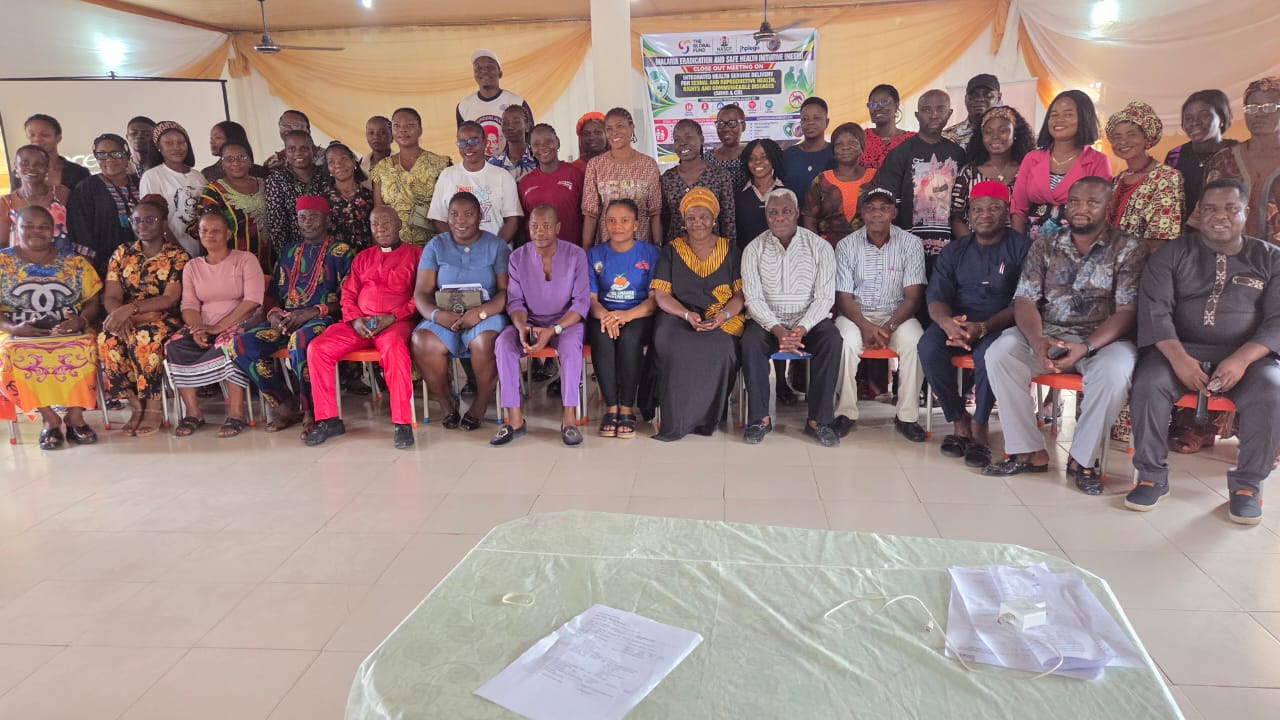
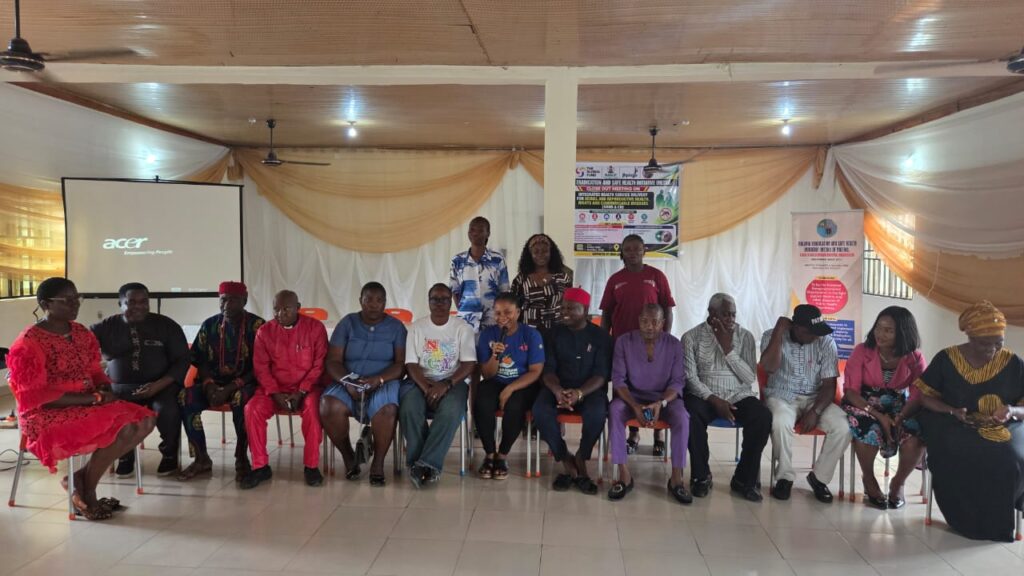
The Executive Director of MESHI, Prof. Dennis Aribodor, made the call during the close-out ceremony of the project, implemented in partnership with Jhpiego and the National AIDS, Viral Hepatitis and STIs Control Programme (NASCP).
The intervention covered Aguata, Idemili South and Ogbaru Local Government Areas, with a focus on promoting integrated sexual and reproductive health services, strengthening community awareness and improving referral systems between healthcare facilities and communities.
Aribodor stressed that sustaining the project’s achievements would require continued collaboration among government agencies, healthcare professionals, civil society organisations, traditional and religious leaders and community structures.
“The completion of this project should not be interpreted as the end of efforts to address sexual and reproductive health challenges. Government agencies, healthcare workers, civil society organisations and community leaders must work together to preserve the progress recorded,” he said.
He expressed concern that stigma, misinformation, inadequate public awareness and weak referral systems continued to prevent many people from accessing essential healthcare services.
According to him, the intervention was designed to address the needs of different vulnerable groups, including young people seeking reliable sexual and reproductive health information, women requiring family planning services and survivors of gender-based violence who need protection, care and appropriate support.
Highlighting the importance of access to information and services relating to HIV, sexually transmitted infections, cervical cancer prevention and other reproductive health needs, Aribodor said healthcare interventions could only achieve meaningful results when people understood the services available to them and could access them without discrimination.
“One major lesson from the project is that healthcare services can only make meaningful impact when people are aware of their availability, how to access them and are treated with dignity and respect,” he stated.
The MESHI Executive Director urged healthcare facilities to maintain respectful, confidential and non-discriminatory service delivery, while encouraging civil society organisations and community-based structures to sustain awareness campaigns and strengthen referral mechanisms.
He also called for responsible media reporting on sexual and reproductive health issues, noting that accurate information would help challenge stigma, correct misconceptions and educate communities on available healthcare services.
Aribodor acknowledged that gaps remained in public awareness, access to services, referral coordination, data documentation and the capacity of healthcare workers and community structures.
He described the close-out engagement as an opportunity for stakeholders to assess the challenges encountered during implementation, exchange experiences and develop practical strategies for sustaining the project’s achievements beyond its funding and implementation period.
“The success of public health interventions should not be measured merely by the number of activities conducted or reports produced, but by their impact on communities, particularly improved access to healthcare and people’s ability to seek services with dignity and confidence,” he said.
He further disclosed that MESHI, a non-governmental organisation committed to promoting a malaria-free and healthy society, had been involved in health interventions for over 20 years, partnering with organisations such as the World Health Organisation (WHO), Global Fund, UNICEF, Society for Family Health and Malaria Consortium.
Aribodor appreciated the Anambra State Government, particularly the Ministry of Health and the Anambra State Primary Health Care Development Agency, for their support towards the successful implementation of the intervention.
He also commended Jhpiego, NASCP, healthcare workers, community volunteers, traditional and religious leaders and other stakeholders for their contributions to the project.
The close-out ceremony provided an opportunity for stakeholders to reflect on the intervention’s achievements and emphasise the need for stronger community participation, sustained healthcare delivery and institutional commitment to sexual and reproductive health and rights across Anambra State.
#