

News
Accountability Drive: 50 Youths Undergo Training to Track 100 Government Projects in Anambra

By Praise Chinecherem
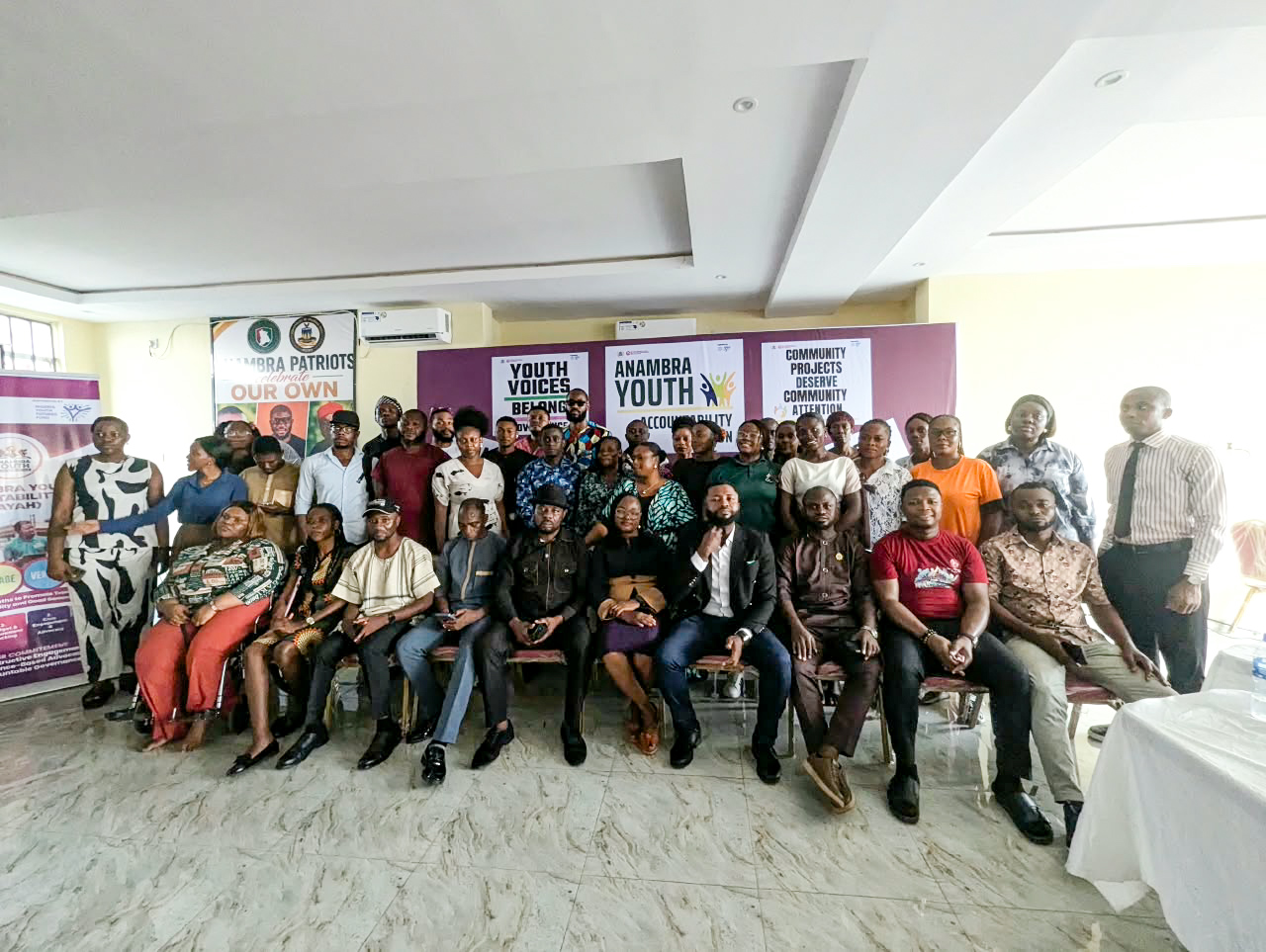
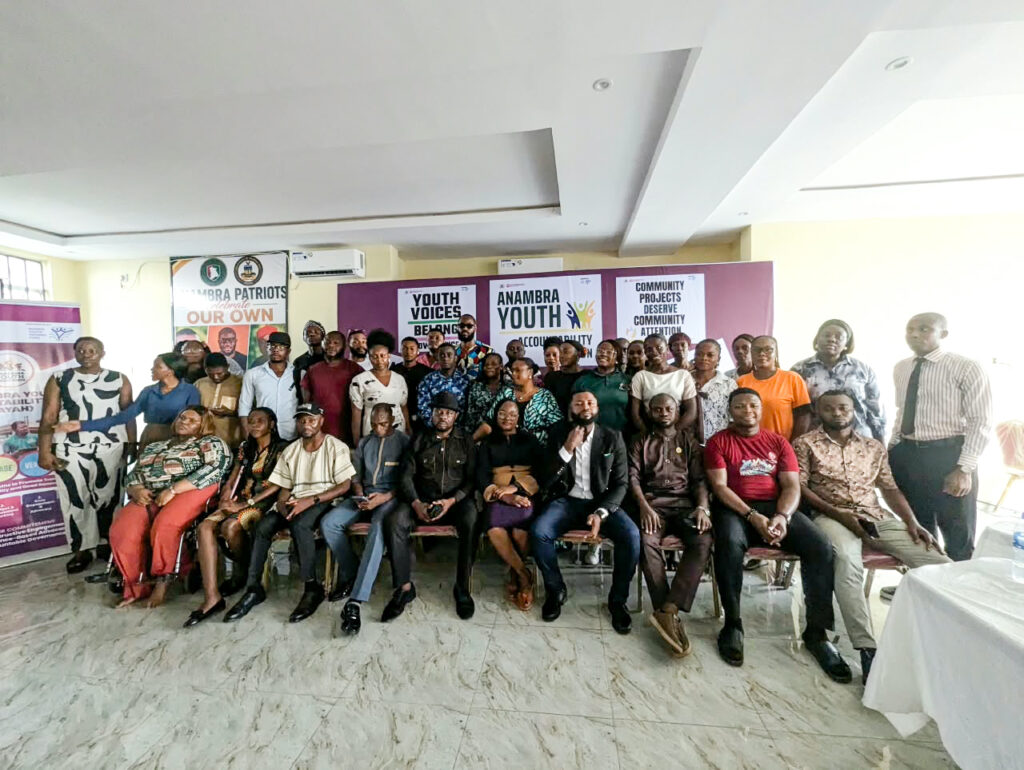
No fewer than 50 youths drawn from the 21 local government areas of Anambra State have commenced training to monitor and document at least 100 public infrastructure projects in a six-month accountability drive aimed at promoting transparency, citizen participation and good governance.
The initiative, known as the Anambra Youth Accountability Hub (AYAH), is being implemented by the Creative Minds Center for Youth and Community Development (CM-CYCD), with support from the Nigeria Youth Futures Fund (NYFF).
Speaking during the training in Awka, the Executive Director of CM-CYCD and Project Lead of AYAH, Ugochi Freeman, said the programme would equip selected Accountability Fellows with practical skills in public budget tracking, procurement monitoring, infrastructure assessment, the Freedom of Information Act, data collection, documentation, verification and evidence-based advocacy.
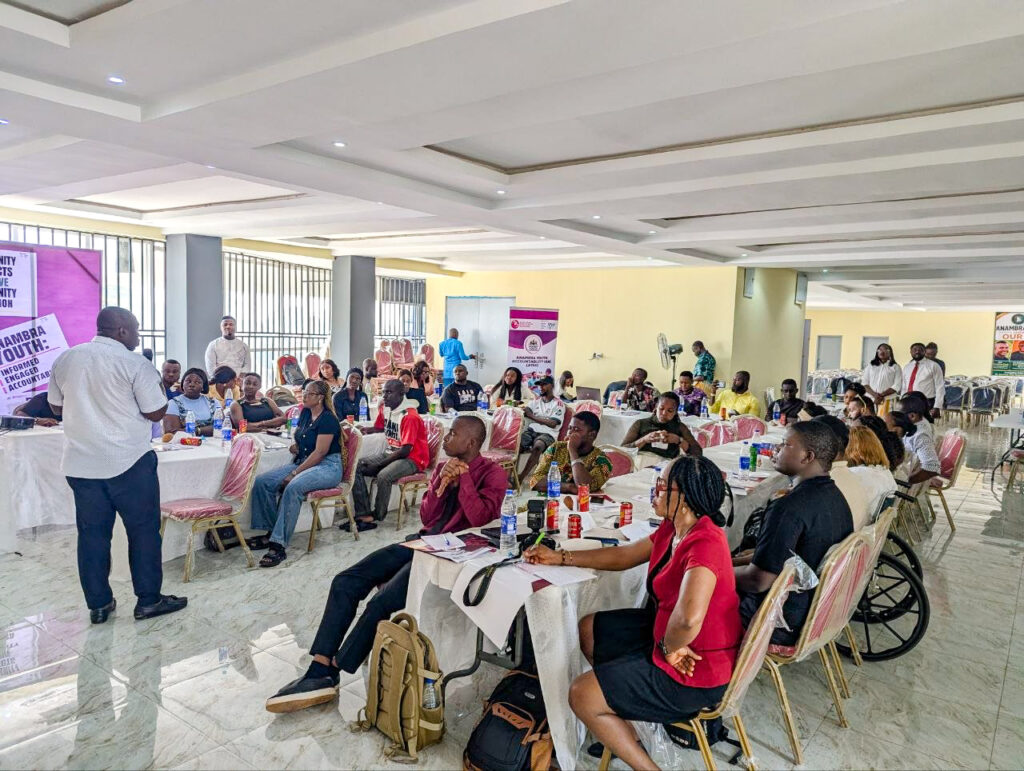
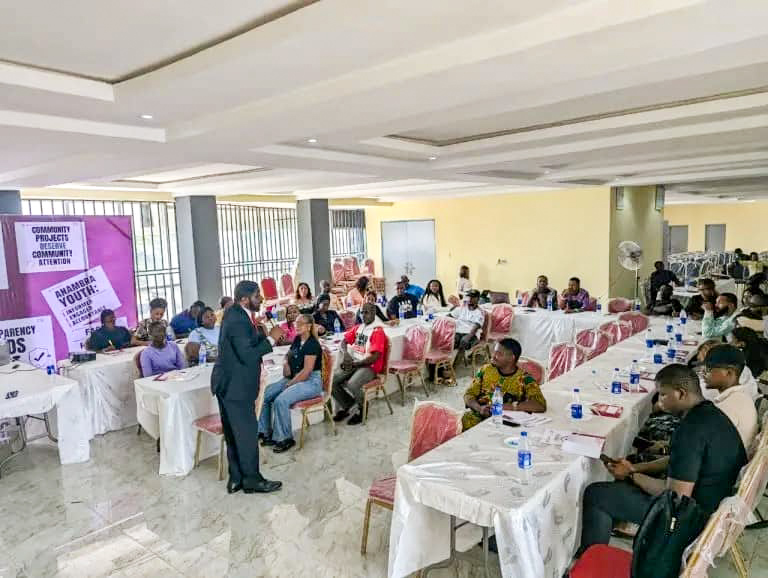
Freeman explained that the initiative was designed to promote constructive engagement between young people and government institutions rather than create unnecessary confrontation with public officials.
According to her, young people should no longer be regarded merely as leaders of tomorrow but as active citizens with the capacity to influence governance and demand accountability today.
“The initiative is founded on the belief that young people should not be regarded merely as leaders of tomorrow but as active citizens and accountability champions capable of influencing governance today.
“Equipping young people with the right skills and opportunities for meaningful participation could improve public service delivery and strengthen institutions,” she said.
She disclosed that the six-month programme would build the capacity of 50 fellows across Anambra’s three senatorial zones to monitor, track and document at least 100 public infrastructure projects, while promoting accountability through evidence-based engagement.
Freeman stressed that accountability should be driven by credible information, evidence and constructive dialogue.
“Accountability is not about fighting government or embarrassing public officials. It is about asking the right questions, seeking accurate information, identifying gaps, presenting credible evidence and engaging constructively with relevant authorities to encourage improvements,” she stated.
She urged the fellows to prioritise evidence over rumours and dialogue over unnecessary confrontation, while maintaining integrity, impartiality, respect, inclusion and confidentiality in carrying out their assignments.
Providing the government’s perspective, the Commissioner for Budget and Economic Planning, Mr Chukwukadibia Okoye, described citizen participation as essential to ensuring that public resources address the actual needs of communities.
Okoye, who was represented by Rev. Dr Jude Nwadavid, explained that the ministry was responsible for setting development priorities, allocating scarce resources and coordinating development programmes with development partners to ensure measurable outcomes.
“Policy design and resource allocation are only half of the equation. True accountability happens when citizens, especially the youth, have the capacity, tools and courage to track implementation, evaluate results and ask the right questions,” he said.
The Commissioner noted that Anambra’s development blueprint, guided by the Anambra Vision and annual budgets, was informed by citizens’ needs, available data and the state’s medium-term development plan.
He added that the government practised participatory and evidence-based budgeting, prioritising critical sectors such as health, education, infrastructure and youth empowerment in alignment with the state’s long-term Vision 2070.
Highlighting the relationship between public budgeting, development planning and citizen participation, Okoye maintained that government resources could only deliver meaningful results when citizens were actively involved in monitoring their utilisation.
“Public budgeting without proper development planning is wasteful. Development planning without citizen participation is blind. And citizen participation without accountability is fruitless,” he declared.
Describing the Accountability Fellows as future budget champions, development monitors and accountability ambassadors, the Commissioner assured young people of the ministry’s openness to engagement with those interested in understanding and contributing to the governance process.
Also speaking, the Resident Anti-Corruption Commissioner of the Independent Corrupt Practices and Other Related Offences Commission (ICPC), Anambra State, Mr Dio Emmanuel, identified integrity and accountability as critical foundations of good governance.
Emmanuel, represented by Superintendent Sanni Ohiare Samson, said corruption thrived where integrity was weak and accountability absent, stressing that young people had an important role to play in preventing corruption and promoting transparency.
“As young people, you are not just the leaders of tomorrow; you are partners in the fight against corruption today,” he said.
He explained that the ICPC’s mandate covered enforcement, prevention and public enlightenment, noting that the fight against corruption required the active involvement of citizens and community stakeholders.
The ICPC representative charged the fellows to demonstrate personal integrity, remain accountable in their daily activities and challenge corrupt practices through lawful means.
“Challenge corrupt practices through lawful, civil and constructive engagement, not through violence or defamation,” he advised.
He further assured the fellows of the commission’s support and partnership, encouraging them to promote transparency, monitor public projects and ask relevant questions responsibly.
The Accountability Fellows, in turn, pledged their commitment to the objectives of the initiative.
AYAH said it would provide participants with practical opportunities to examine the relationship between government budgeting, project execution and service delivery at the community level.
The initiative is expected to strengthen youth participation in governance, promote citizens’ oversight of public infrastructure and encourage greater accountability in the implementation of development projects across Anambra State.
#