

Health
Anambra Records 18,389 New Family Planning Acceptors in Six Months, Intensify Awareness Drive

By Uche Eke
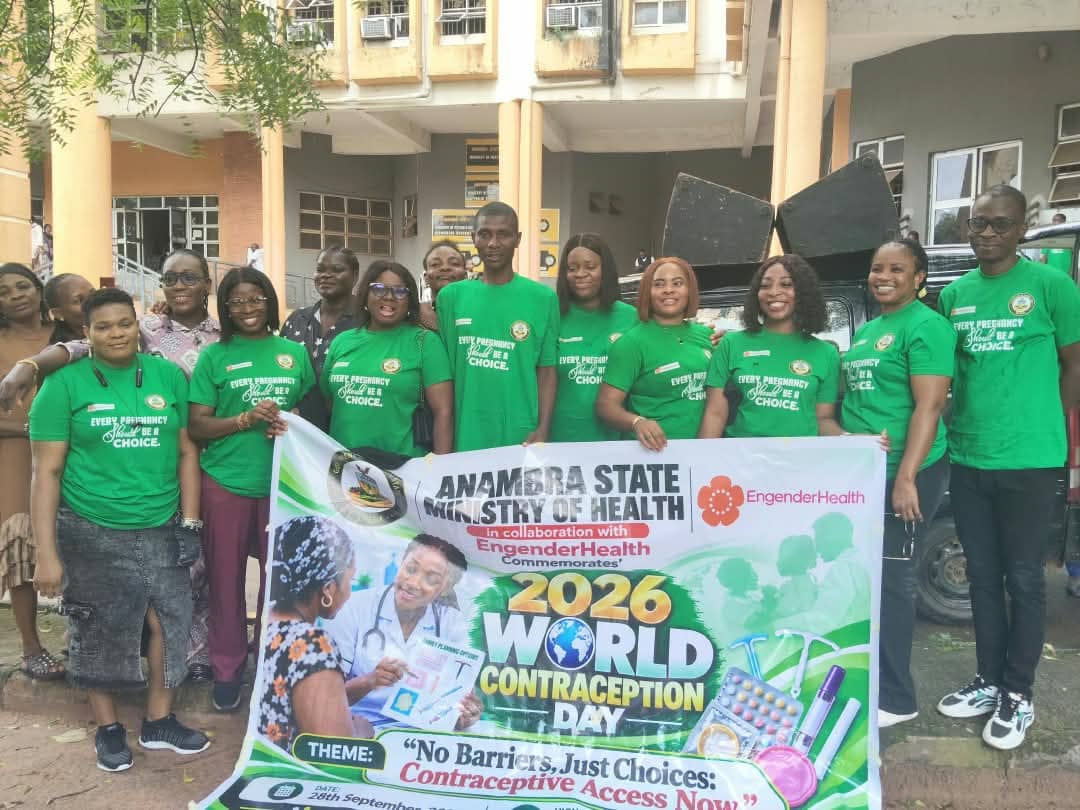
The Anambra State Government says it is intensifying efforts to remove barriers to contraceptive access, as 18,389 new family planning acceptors were recorded across the state between January and June 2026.
The government disclosed this as Anambra joined the rest of the world to commemorate the 2026 World Contraception Day, with the theme, “No Barriers, Just Choices: Contraceptive Access Now.”
Speaking at a press briefing in Awka, the Commissioner for Health, Dr. Afam Obidike, represented by the Permanent Secretary of the Ministry, Dr. Obiageli Uchebo, said the state was committed to ensuring that residents have access not only to contraceptive commodities but also to reliable information and professional counselling.
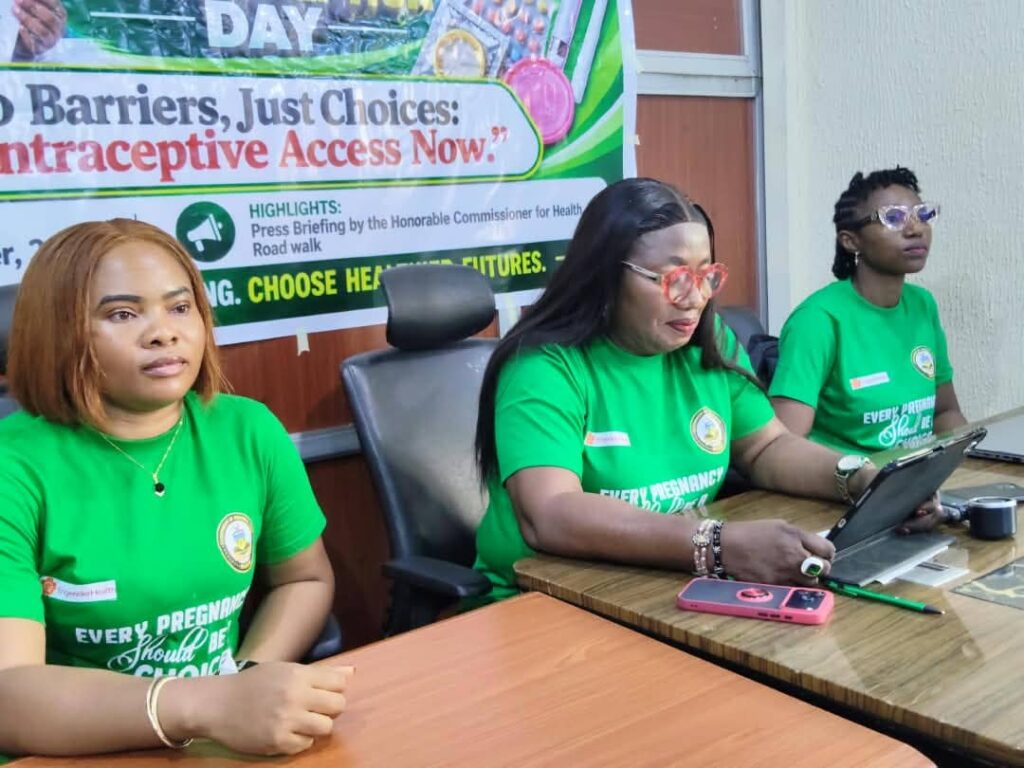
“Access to contraception goes beyond the availability of commodities. People need accurate information, quality counselling and access to a range of safe and effective family planning methods to make informed choices,” Uchebo said.
She said the 2024 Nigeria Demographic and Health Survey indicated that 15 per cent of currently married women aged 15 to 49 in Anambra had an unmet need for family planning.
According to her, although the figure places Anambra among the states with the lowest unmet need for family planning in Nigeria, the government would not relent in closing the remaining gaps.
The Permanent Secretary revealed that 146,183 clients were counselled on family planning in 2025, resulting in 44,615 new acceptors.
She added that between January and June 2026, 73,687 clients received family planning counselling, while 18,389 new acceptors were registered.
During the six-month period, health facilities across the state provided 13,726 injectable contraceptives, 5,402 implants and 537 intrauterine device insertions.
Another 11,186 clients accessed condom services, while postpartum family planning services were also expanded.
Uchebo said 17,814 women received postpartum family planning counselling, including 978 postpartum Implanon NXT insertions and 489 Jadelle insertions.
She explained that family planning could help prevent unintended pregnancies, reduce pregnancy-related complications and maternal deaths, and reduce the risk associated with unsafe abortion.
Beyond its health benefits, she said, family planning could also support women’s education, economic participation and the wellbeing of families.
“Contraceptive services should be based on informed choice. Healthcare providers must offer respectful, confidential and non-judgemental counselling so that individuals can make decisions based on accurate information,” she said.
She identified misinformation, fear of side effects, limited availability of preferred methods, geographical barriers, stigma and provider bias as some of the challenges still limiting access to contraceptive services.
Uchebo reaffirmed the commitment of the Anambra State Government under Governor Chukwuma Soludo to strengthening reproductive health services and improving access to family planning across the state.
She appealed to healthcare workers, development partners, community leaders and the media to play a greater role in correcting misinformation and dispelling myths surrounding contraception.
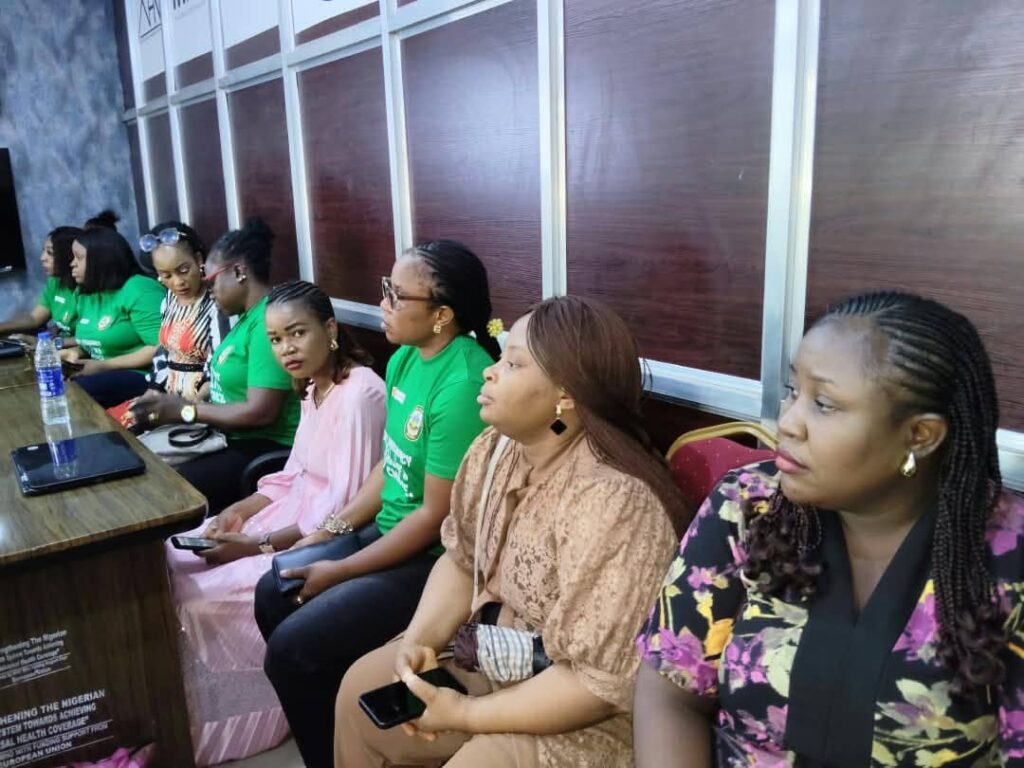
Also speaking, the Assistant Family Planning Coordinator of the Ministry, Chioma Okedo, said myths, misconceptions, cultural practices and religious beliefs remained significant barriers to contraceptive uptake.
Okedo said some people still wrongly believe that contraception causes infertility or death, while certain cultural beliefs among some men associate women’s use of family planning with infidelity.
She also noted that some Christians mistakenly equate family planning with abortion, adding that provider bias could further discourage people from seeking contraceptive services.
“We must continue to provide correct information and address the misconceptions that prevent people from making informed choices about their reproductive health,” Okedo said.
The press briefing was followed by a road show through parts of Awka, aimed at taking the family planning message directly to residents and encouraging them to access appropriate contraceptive services from trained healthcare providers.
The state government said continued collaboration among health professionals, communities, development partners and the media would be critical to eliminating barriers and ensuring that residents can make informed reproductive health choices.
#