

News
IDDRR: MAN Boss Urges Nigeria to Prioritise Disaster Prevention, Warns of ₦11.48bn Flood Losses

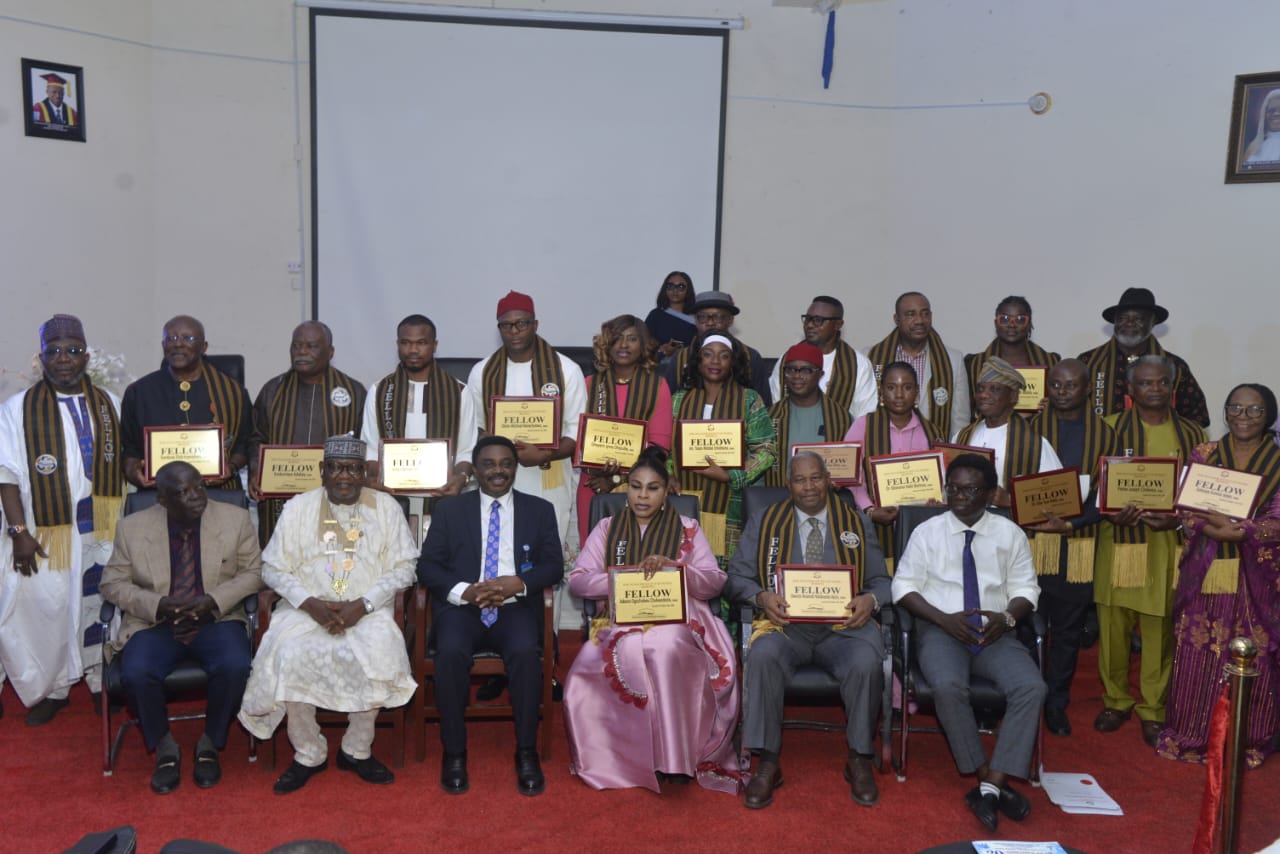
By Praise Chinecherem
The Chairman of the Manufacturers Association of Nigeria (MAN), South-East Zone, and Chairman of the Board of Keystone Bank Limited, Lady (Dr.) Adaora Chukwudozie, has called for a fundamental shift in Nigeria’s disaster management strategy, urging governments, businesses and communities to prioritise prevention and preparedness over emergency relief.
Chukwudozie made the call during the 2026 International Day for Disaster Risk Reduction (IDDRR), organised by the Centre for Disaster Risk Management and Development Studies, University of Port Harcourt, in collaboration with the National Emergency Management Agency (NEMA).
Speaking on the theme, “Resilience Starts at Home,” she stressed that disaster resilience must begin with everyday decisions taken by individuals, families, businesses, communities and public institutions before emergencies occur.
“Resilience requires investment. But disaster extracts a far greater price—by force, and often with interest,” she said.
Drawing from her experience as MAN chairman in the South-East during the devastating 2022 floods, Chukwudozie recalled the extensive damage suffered by businesses at the Harbour Industrial Layout in Onitsha, Anambra State.
She disclosed that 19 manufacturing companies recorded approximately ₦11.48 billion in documented losses, covering damaged machinery, raw materials, finished products and factory buildings.
“The true cost was not only in naira. It was in disrupted supply chains, anxious families, jobs at risk and businesses compelled to rebuild while still carrying financial obligations,” she lamented.
According to her, the experience underscored the urgent need for businesses and communities to adopt practical disaster preparedness measures rather than wait until emergencies occur before taking action.
Emphasising the urgency of proactive planning, she warned that disasters do not provide advance opportunities for people to prepare once their effects become apparent.
“Disaster does not negotiate,” she said, stressing that effective preparedness must begin long before a crisis strikes.
Chukwudozie Lists Measures to Reduce Disaster Risks
The MAN South-East chairman urged governments to strengthen urban planning, improve drainage infrastructure, enforce building standards and promote environmental discipline to reduce communities’ vulnerability to disasters.
She also called for more effective early-warning systems and stricter enforcement of existing regulations, noting that disaster-risk reduction requires coordinated action across different sectors.
Chukwudozie challenged universities to deepen research and professional training in disaster risk management, while urging businesses to incorporate safety measures and business-continuity plans into their operations.
She further tasked the media with communicating disaster risks before tragedies occur and called on community leaders to promote behavioural changes that would strengthen preparedness at the grassroots.
According to her, disaster prevention should not be treated as the sole responsibility of emergency management agencies but as a shared obligation involving institutions, businesses and ordinary citizens.
‘Move From Relief to Resilience’
While acknowledging the contributions of NEMA and other emergency responders, Chukwudozie cautioned against relying primarily on emergency relief after disasters have occurred.
She maintained that although relief interventions remain necessary, a sustainable disaster-management framework must focus on reducing risks and preventing avoidable losses.
“We must move from relief to resilience, from reaction to prevention, and from sharing blame after disaster to sharing responsibility before it,” she declared.
She urged participants at the event to translate discussions on disaster-risk reduction into practical actions within their homes, workplaces and communities.
Among the measures she recommended were developing family emergency plans, conducting workplace safety drills, clearing blocked drainage channels and initiating conversations about disaster preparedness.
Chukwudozie said such seemingly modest actions could contribute to building a stronger culture of preparedness and reducing the devastating consequences of emergencies.
Stakeholders Commended for Promoting Disaster Preparedness
The industrialist commended the University of Port Harcourt, through its Centre for Disaster Risk Management and Development Studies, NEMA, the Risk Managers Society of Nigeria (RIMSON) and other partners for sustaining conversations on disaster-risk reduction.
She stressed the importance of continued collaboration among academic institutions, government agencies, professional bodies and the private sector in developing practical strategies to protect lives, livelihoods and critical infrastructure.
The 2026 International Day for Disaster Risk Reduction provided a platform for renewed discussions on the importance of household preparedness, community participation and institutional responsibility in building disaster-resilient societies.
Chukwudozie’s intervention also highlighted the economic consequences of inadequate disaster preparedness, particularly for manufacturing businesses whose operations depend on functional infrastructure, reliable supply chains and secure industrial environments.
Her message was clear: Nigeria must invest in preventing disasters and reducing their impact before they occur, rather than bear the far greater human and economic costs of responding after the damage has been done.
#