

News
CSOs Urge Anambra Govt to Adopt Community-Led Monitoring to Strengthen Healthcare Delivery

By Praise Chinecherem
Civil society organisations (CSOs) working in the areas of HIV, tuberculosis (TB) and malaria have called on governments at all levels to adopt Community-Led Monitoring (CLM) as a grassroots-driven model for improving healthcare delivery in Nigeria.
The organisations also urged development partners, the private sector, community leaders and citizens to prioritise health education and community participation to address barriers to the prevention and treatment of HIV, TB, malaria and gender-based violence (GBV).
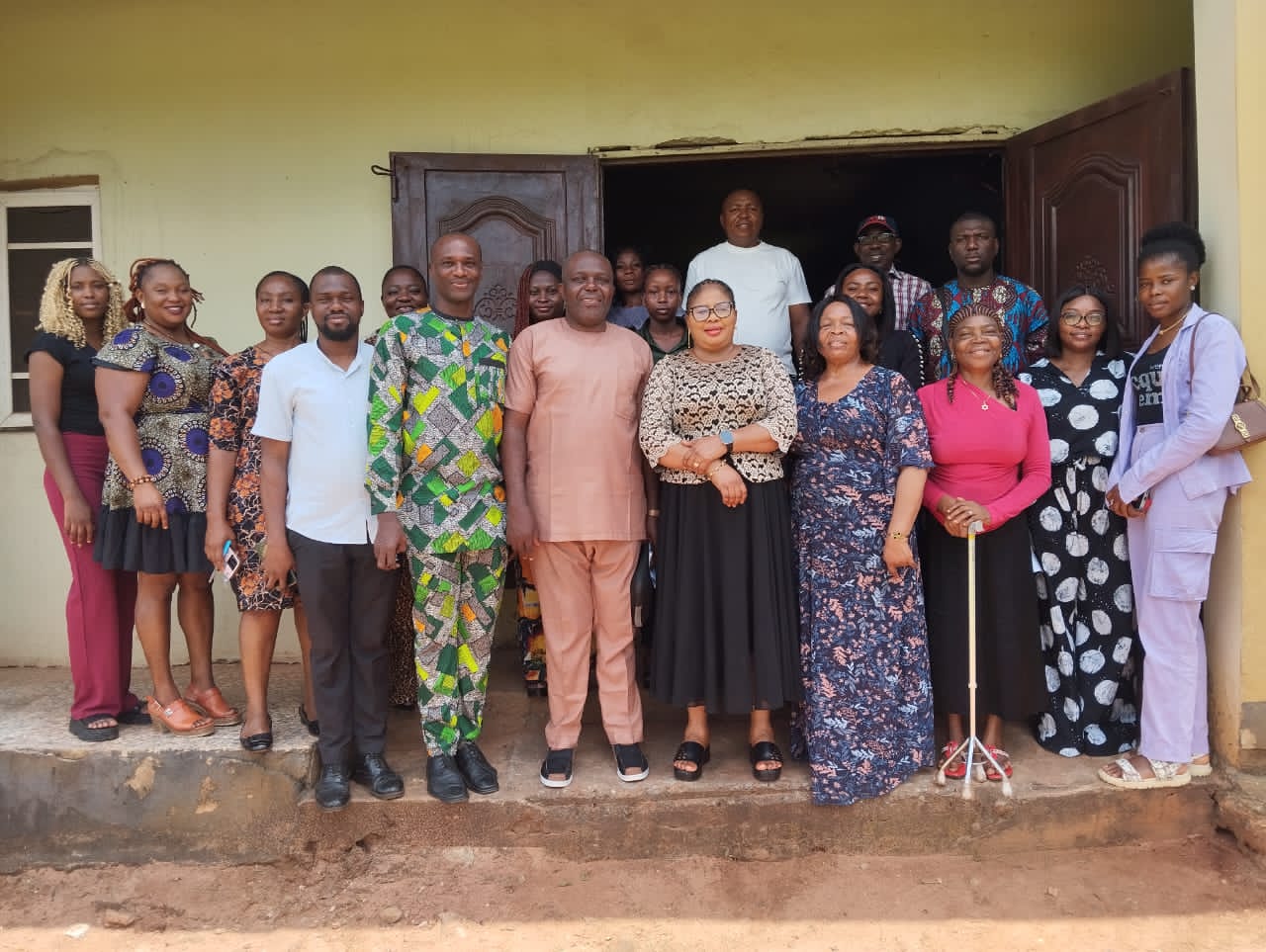
The call was made in Awka, Anambra State, during a media briefing on the Global Fund GC7 Integrated Community-Led Monitoring (I-CLM) Project, currently being implemented in nine primary healthcare centres (PHCs) across the state.
The coalition comprises the Civil Society for the Eradication of Tuberculosis in Nigeria (TB Network), the Network of People Living with HIV/AIDS in Nigeria (NEPWHAN) and the Association of Civil Society Organisations on Malaria, Immunisation and Nutrition (ACOMIN). The groups are implementing the project in partnership with the Institute of Human Virology Nigeria (IHVN) under the Global Fund GC7 I-CLM grant.
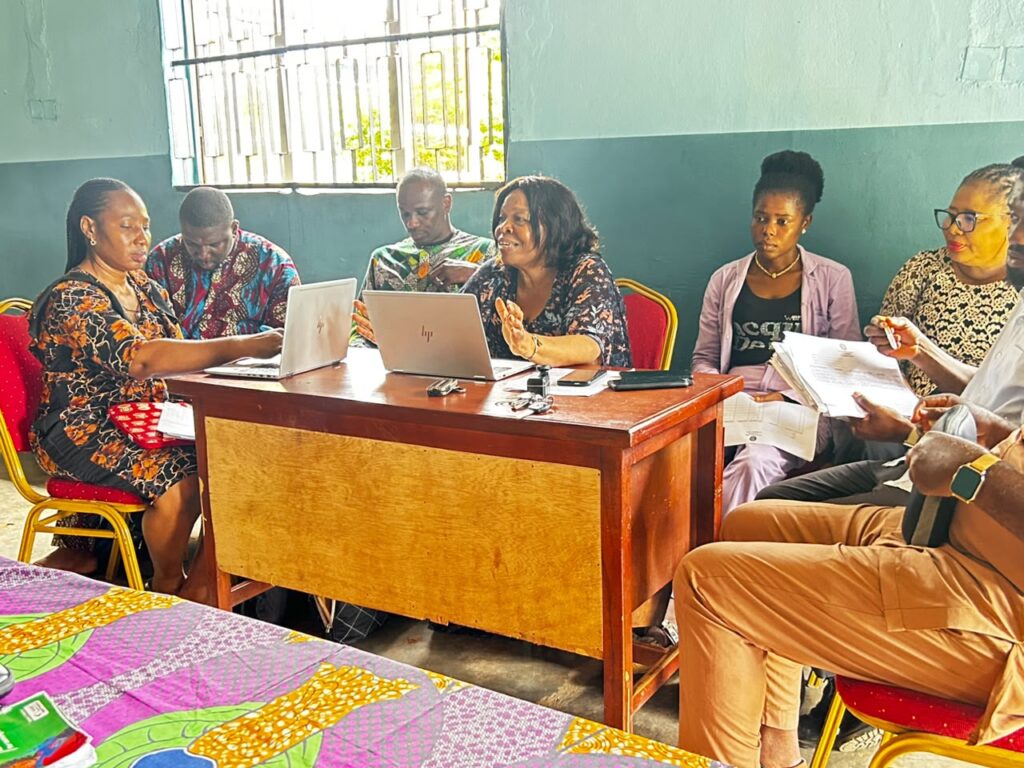
Speaking during the coalition’s quarterly Integrated CLM state press briefing, the State Coordinator, Ifenyinwa Unachukwu, emphasised the need to engage and empower communities to embrace positive behavioural changes that would strengthen Nigeria’s response to HIV, TB and malaria.
Unachukwu called for adequate funding and effective implementation of planned health interventions, stressing the importance of private-sector involvement, advocacy, strategic partnerships and community-driven approaches.
According to her, addressing the country’s persistent public health challenges requires a comprehensive approach that combines prevention, treatment, health education and promotion, and stronger partnerships with local communities.
She also called for the expansion of health insurance coverage to vulnerable populations, particularly low-income earners who struggle to afford healthcare services.
“The National and State Health Insurance programmes currently enjoyed by the formal sector should be extended to other vulnerable citizens, particularly the poor,” she said.
“The poor are often less educated and unemployed and cannot consequently afford the high out-of-pocket costs associated with accessing healthcare services.”
The coordinator further stressed the need for transparency and accountability in the management of primary healthcare funding, noting that effective resource utilisation was essential to strengthening public health programmes at all levels.
“Funding of primary healthcare should be devoid of misappropriation or mismanagement to enable robust public health programmes at all levels,” she added.
Unachukwu urged communities to prioritise health education and awareness, calling on every ward to support initiatives that promote disease prevention and encourage active participation in healthcare delivery.
She also encouraged residents to take greater responsibility for the sustainability of their PHCs through volunteering, donations, advocacy and other forms of community support.
“Community members should actively support and advocate for their Primary Healthcare Centres, as community involvement is crucial to ensuring the sustainability and effectiveness of these facilities,” she said.
She called for stronger health systems backed by adequate financial resources and renewed political commitment, while advocating the expansion of evidence-based and cost-effective interventions such as I-CLM.
According to her, scaling up the model should include community-based service delivery approaches that place people and their healthcare needs at the centre of decision-making.
Highlighting the project’s achievements in Anambra, Unachukwu said community-based organisations implementing the Global Fund-supported, IHVN-backed and TB Network-led I-CLM project had helped strengthen community ownership of healthcare facilities.
She explained that the intervention had also increased patronage of PHCs through awareness campaigns, efforts to address access barriers and initiatives to overcome negative perceptions associated with using public healthcare facilities.
“CBOs have also increased patronage through awareness, breaking barriers and weakening sentiments associated with the patronage of the PHCs,” she said.
### CSOs Raise Alarm Over Gender-Based Violence
The coalition also expressed concern over gender-based violence and persistent gender and human rights violations, calling on stakeholders and citizens to intensify efforts to prevent abuse and ensure that perpetrators are held accountable.
The organisations noted that gender-based violence in Nigeria takes different forms, including domestic abuse, verbal and physical assault, rape, sexual assault, early and forced marriages, incest, female genital mutilation, acid attacks and killings.
They further observed that women, men, boys and girls continue to experience various forms of abuse, discrimination and deprivation in both public and private spaces.
The coalition urged Nigerians not to remain silent in the face of abuse but to report incidents and support collective efforts to end the menace.
“Let us not be silent. Let us pull our efforts together to rid this nation of this menace of gender-based violence. If you see something, please say something,” the group stated.
The organisations maintained that stronger community participation, sustained government commitment, adequate healthcare funding and coordinated stakeholder action were critical to improving health outcomes and protecting the rights and dignity of vulnerable populations.
#