

News
Anambra Workers Have No Reason to Complain Under Soludo, Says Commissioner

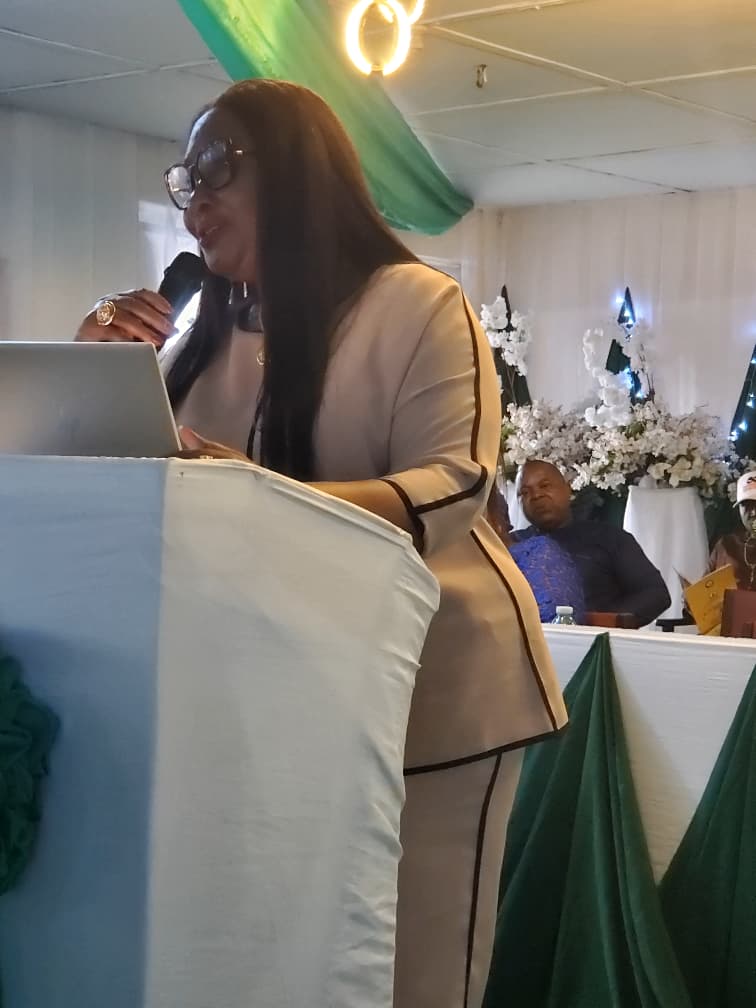
By Uche Eke
The Anambra State Government has declared that workers in the state’s local government system have no major reasons to complain under the administration of Governor Chukwuma Soludo, citing prompt salary payments, regular promotions and the payment of pensions and gratuities.
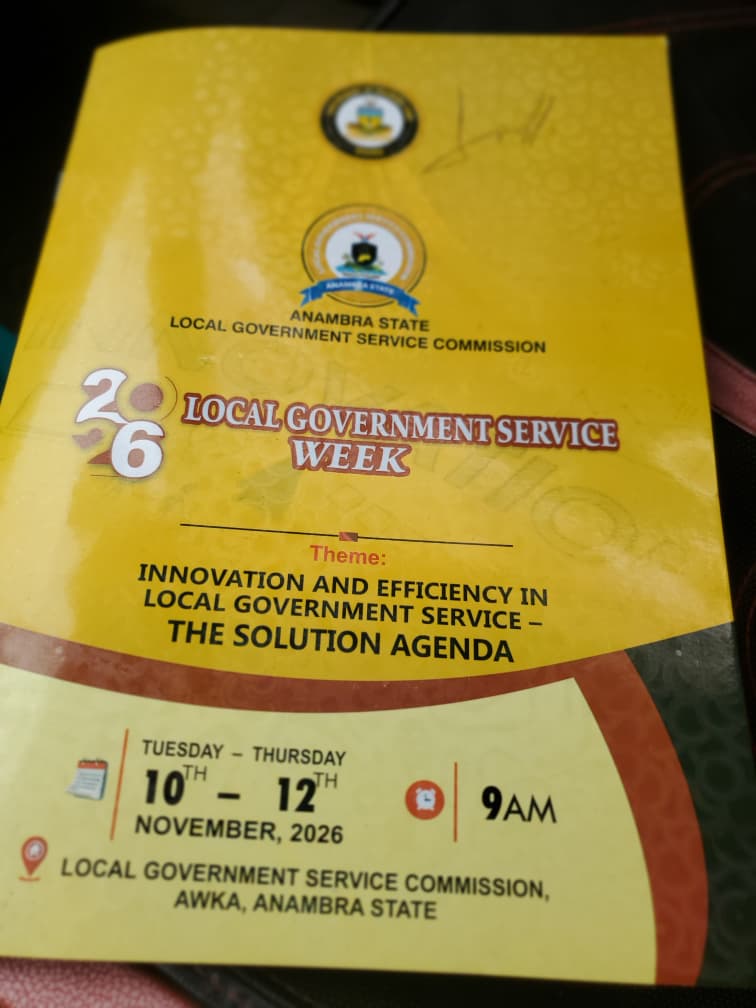
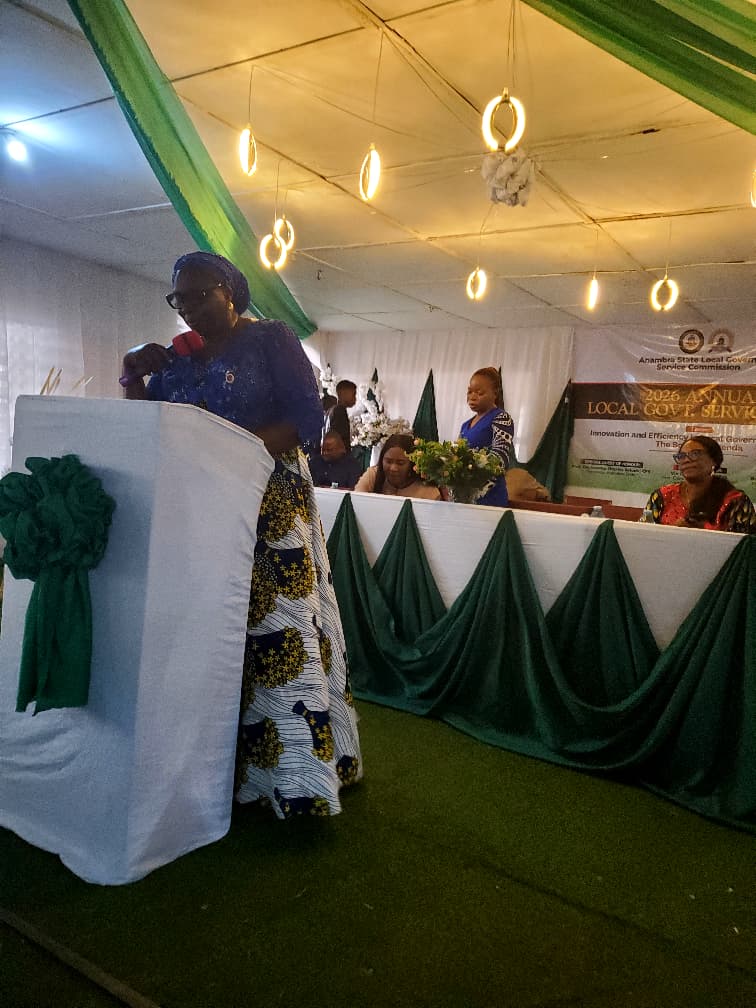
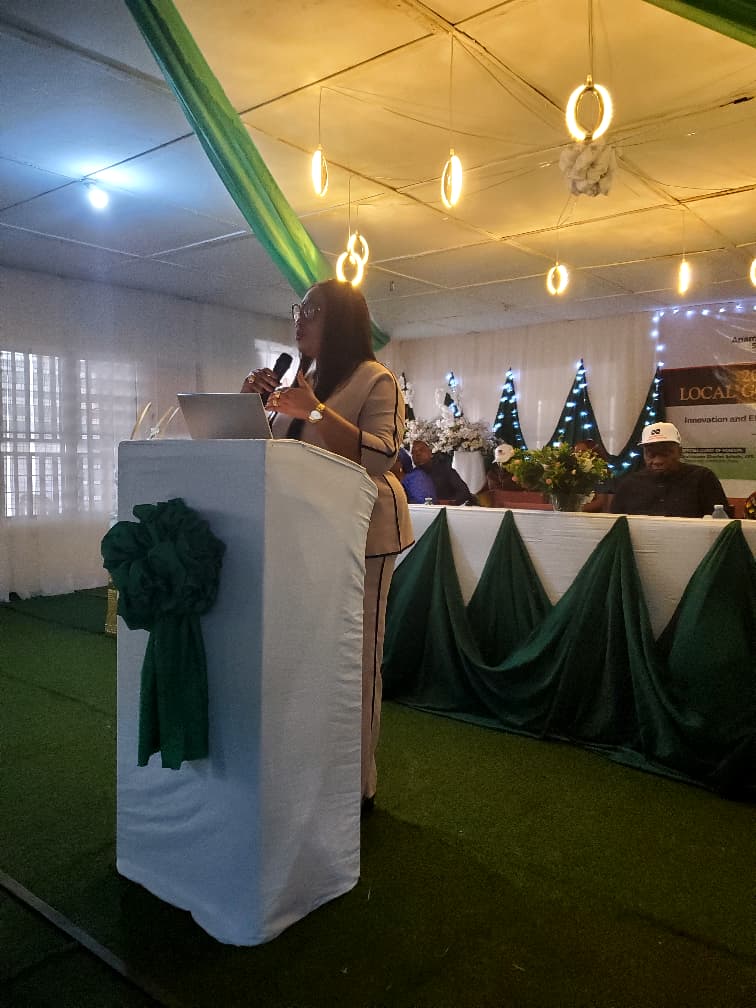
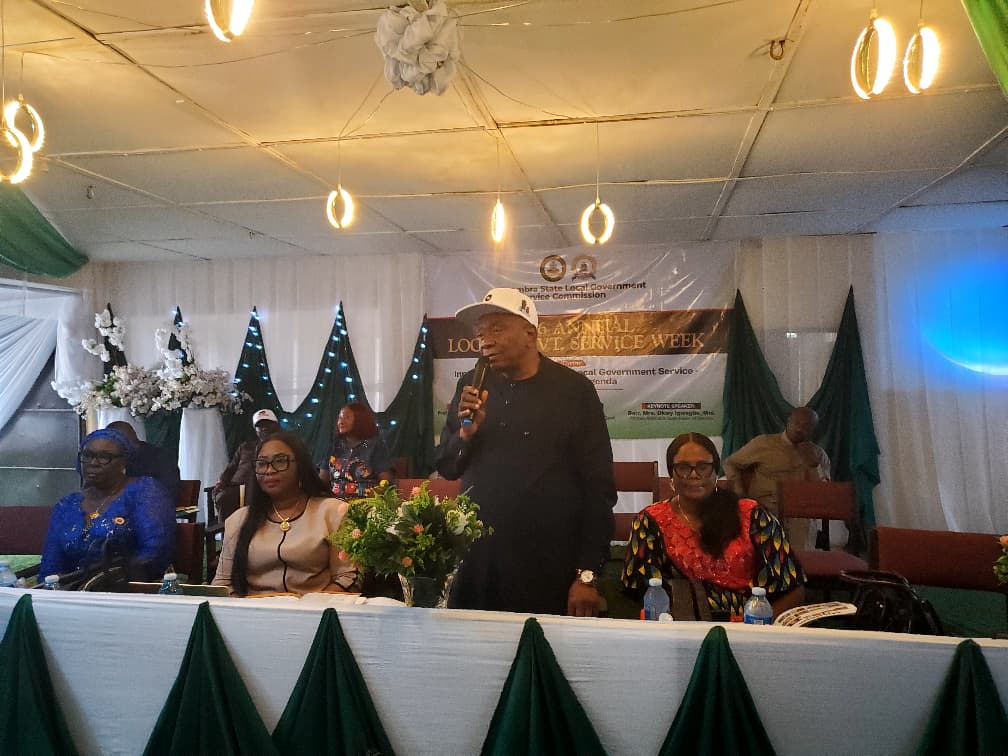
The Commissioner for Local Government and Community Affairs, Mr Vin Ezeaka, made this known during the 2026 Anambra State Local Government Service Week held in Awka, the state capital.
Ezeaka said the Soludo administration had taken significant steps to improve workers’ welfare, particularly through the regular payment of salaries as and when due.
According to him, although no amount of money may be sufficient to satisfy the needs of civil servants, the government has remained committed to ensuring that workers receive their entitlements promptly.
He also disclosed that the government pays pensions and gratuities to retired workers, except in cases where retirees fail to process their retirement documents at least three months before their retirement.
On career progression, the commissioner maintained that local government workers were being promoted promptly, adding that there were no outstanding promotion arrears in the local government system.
He urged the workers to reciprocate the government’s efforts by demonstrating commitment, discipline and efficiency in the discharge of their duties.
Former Head of Service Advocates Innovation, Efficiency
In her keynote address, a former Anambra State Head of Service, Barrister Theodora Igwegbe, called on local government officials to strengthen service delivery, administrative efficiency, financial management and community development across the state’s 21 local government areas.
Igwegbe urged council administrators to embrace innovation and efficiency as practical instruments for implementing Governor Soludo’s Solution Agenda at the grassroots.
She emphasised that local government, being the tier of government closest to the people, should measure its success by the problems it solves rather than the number of meetings held or files processed.
“Local government success must be measured by the problems solved, not by meetings held or files processed,” she stressed.
She explained that innovation involved simplifying administrative procedures, clearly identifying required documents, assigning responsibilities to designated officers and establishing realistic timelines for service delivery.
On efficiency, she said public institutions must respect citizens’ time and ensure responsible management of public funds through clearly defined service standards and proper revenue reconciliation.
Retired Administrator Calls for Review of Local Government Regulations
Also speaking, a retired administrator, Mr Richard Obi, reminded principal officers that both professional and non-professional staff in the Unified Local Government Service were governed by the Anambra State Local Government Staff Regulations of 2023.
He called for the proper reconstitution of the Local Government Service Commission and an urgent review of the staff regulations to bring them in line with the Anambra State Local Government Law of 2024.
Obi also highlighted the importance of sound management practices, including delegation of duties, effective supervision, proper records management and staff motivation.
He further advocated leadership by example and regular interdepartmental meetings to improve coordination and institutional performance.
Professor Okorie Highlights Financial Accountability
In another presentation, Professor Orie Sylvester Okorie stressed that the performance of local governments depended not merely on the funds allocated to them but also on their ability to generate lawful revenue, allocate resources appropriately, control expenditure and deliver measurable results.
He advised Heads of Department to prepare properly costed plans, align their activities with approved budgets, monitor financial commitments and outputs, maintain accurate records and respect established divisions of responsibility.
The professor further emphasised that public expenditure must be directly linked to measurable service delivery, while internally generated revenue should be collected lawfully and transparently without leakages.
Agriculture Expert Outlines Strategies for Grassroots Development
Meanwhile, Mr Ajanobi Cajetan, Deputy Director of Agriculture and Head of Department of Agriculture and Natural Resources, Nnewi North Local Government Area, presented a paper on strengthening community development through education, social welfare and agricultural programmes.
He outlined five practical commitments for local government leaders: translating state policies into realistic grassroots actions; preparing results-oriented budgets that provide for training and follow-up; building continuity into programme design; strengthening interdepartmental coordination and accountability; and promoting shared ownership of public resources.
Using the distribution of agricultural inputs as an example, Ajanobi cautioned against implementing programmes that end immediately after their official launch.
He explained that effective agricultural intervention required proper registration of farmers, assessment of their needs, matching farm inputs with appropriate crops and planting seasons, practical guidance, regular field visits and systematic documentation of results.
According to him, the lessons gathered from such interventions should inform improvements in subsequent programmes.
He noted that the same approach should be applied to education and social welfare initiatives to ensure that government interventions produce sustainable benefits.
Ajanobi also advised councils operating with limited financial resources to prioritise and properly sequence their activities, strengthen coordination through clearly assigned responsibilities, maintain consistent records and adopt practical performance indicators.
He maintained that limited resources should not prevent local governments from achieving meaningful results.
“Every local government can plan more carefully, coordinate better, involve communities meaningfully and follow through on its commitments, even with limited resources,” he said.
Planning Committee Chairman Appreciates Soludo, Stakeholders
In a vote of thanks, the Chairman of the Planning Committee for the 2026 Anambra State Local Government Service Week, Dr Mrs Helen Orie, expressed appreciation to Governor Chukwuma Soludo for his leadership and commitment to strengthening local government administration.
She also thanked stakeholders, staff members and special guests for their support, cooperation and contributions, noting that their participation had enriched the gathering and reinforced the collective commitment to effective grassroots governance.
The 2026 Local Government Service Week provided a platform for discussions on workers’ welfare, administrative reforms, financial accountability, innovation and sustainable community development across Anambra State’s 21 local government areas.
#