

News
Anambra IGR Surges 111.8 Percent as Stakeholders Credit Crackdown on Revenue Leakages

By Praise Chinecherem
Anambra State’s Internally Generated Revenue (IGR) rose by 111.8 per cent between the first and second quarters of 2026, with civil society groups attributing the sharp increase largely to improved efforts to block revenue leakages.
The groups, however, urged the state government to sustain the reforms while intensifying taxpayer education and ensuring that the tax burden on small businesses is not disproportionately higher than that of larger enterprises.
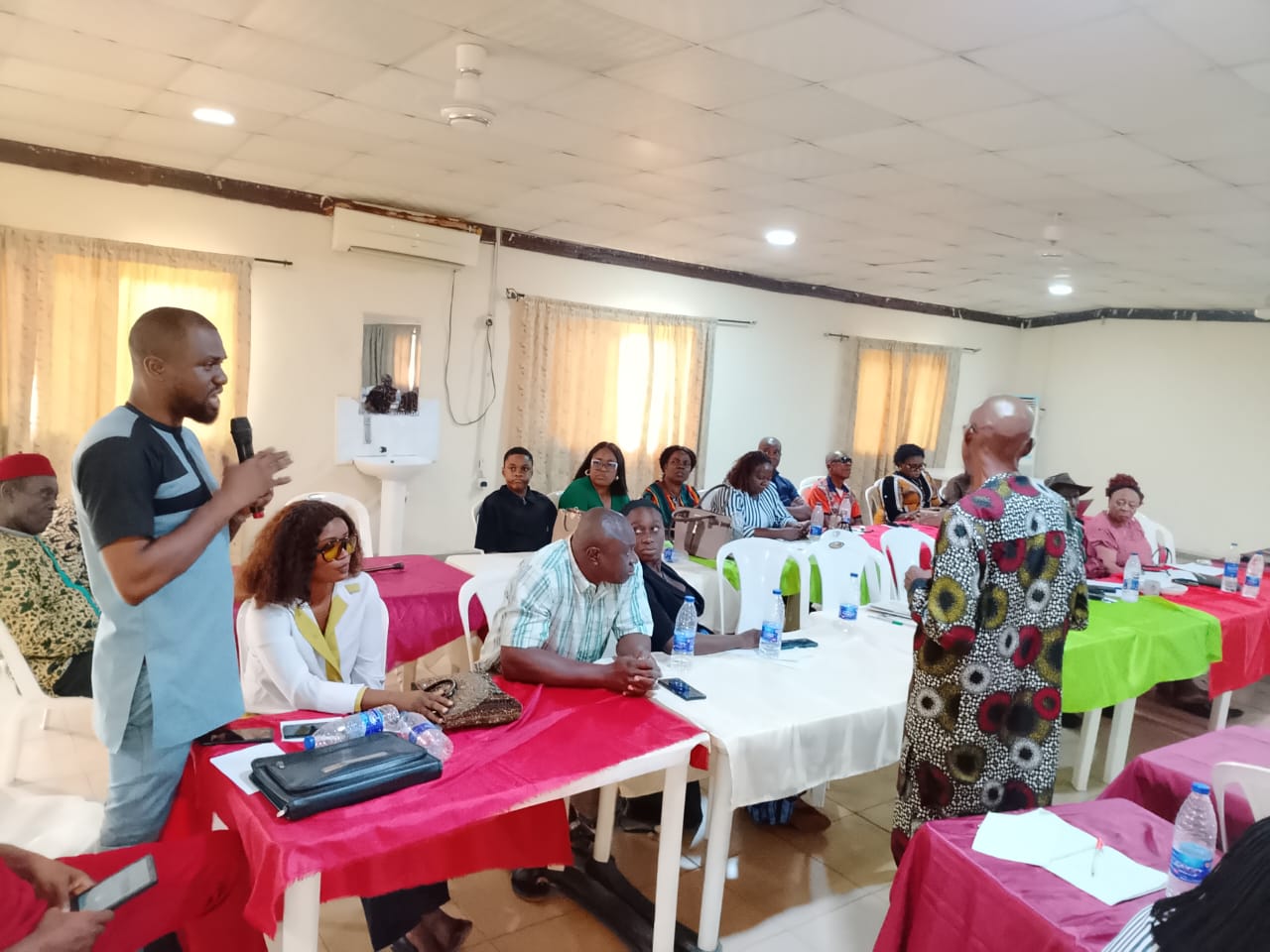
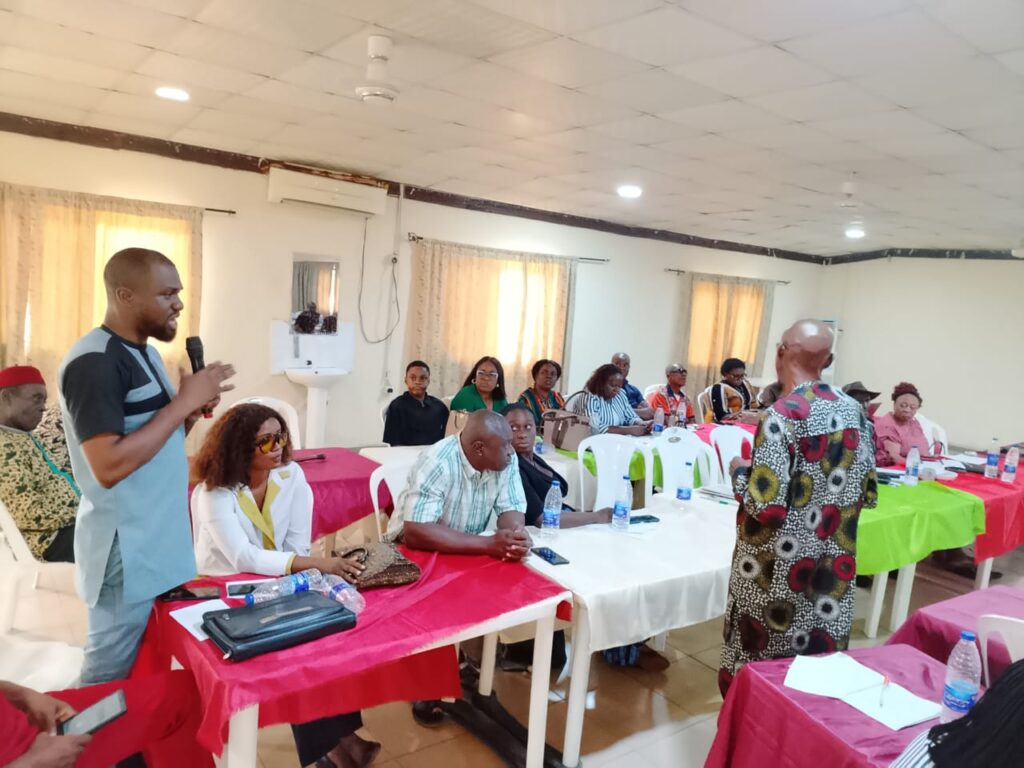
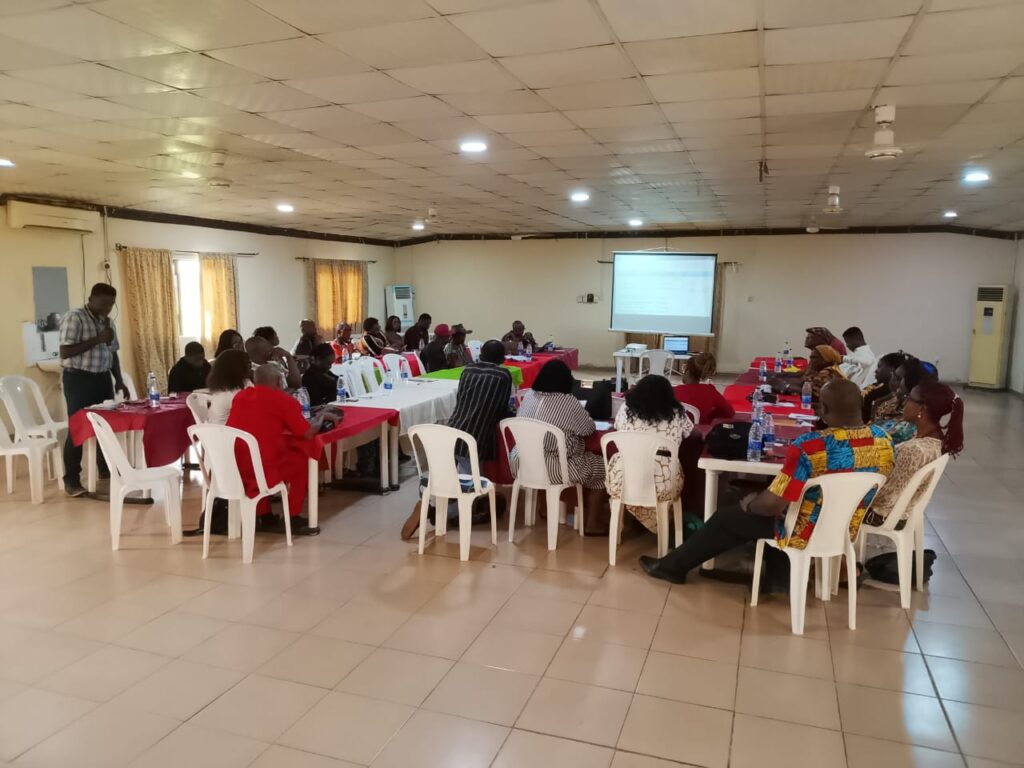
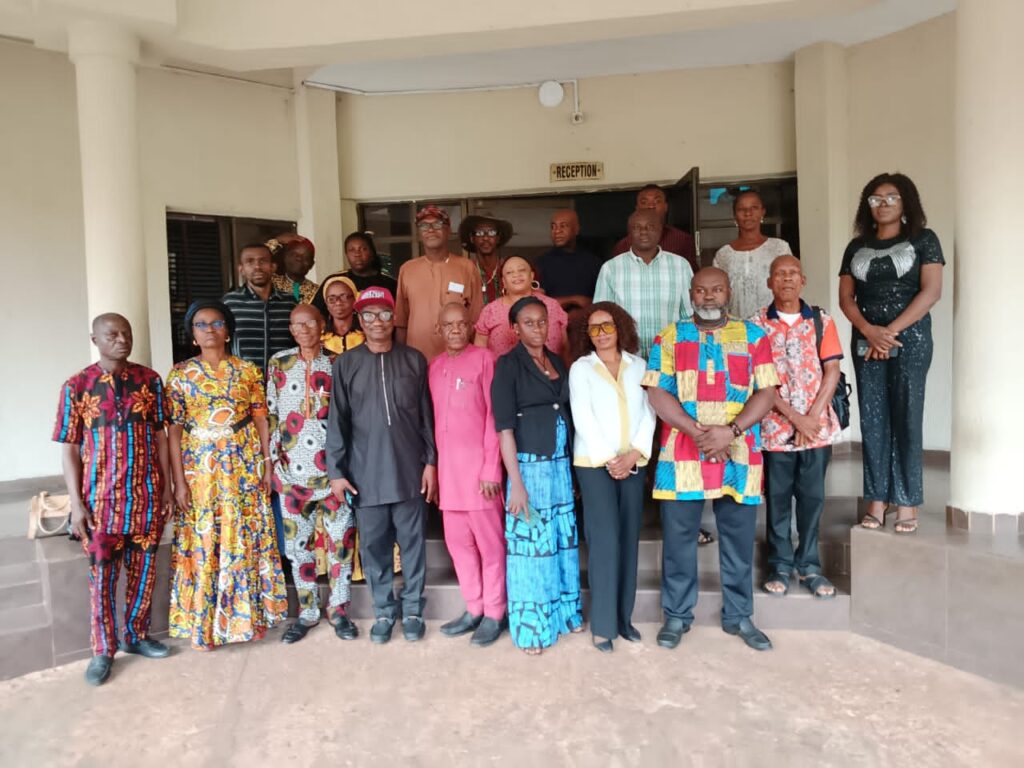
The stakeholders made the recommendations in Awka during a strategic engagement organised by Civil Rights Concern (CRC) to review the implementation of the state’s first and second-quarter 2026 budget reports.
Participants included representatives of the Justice Development and Peace Caritas (JDPC), Nnewi; Social and Integral Development Centre (SIDEC); and Community Empowerment Network (COMEN).
Speaking on the outcome of the engagement, Executive Director of CRC, Okey Onyeka, said the increase in IGR was a positive development which should be sustained through stronger revenue monitoring and greater engagement with taxpayers.
According to him, the groups’ assessment showed that the state’s IGR increased from N14.4 billion in the first quarter to more than N30.5 billion in the second quarter of 2026, representing an 111.8 per cent increase.
“We commend the revenue office of the state for jumping the internally generated revenue from N14.4 billion in the first quarter of 2026 to over N30.5 billion in the second quarter, representing a 111.8 per cent increase,” the stakeholders said in the communique.
“While urging the revenue office not to relent in its efforts, we enjoin citizens to pay their taxes to support government’s efforts to improve services.”
The stakeholders attributed the growth largely to improved efforts to block leakages in revenue collection. They also called for increased sensitisation and tax education through relevant taxpayer associations to improve compliance and public understanding of the tax system.
On taxation in the informal sector, the groups raised concerns over what they described as inequity in the amount of tax paid by small and large businesses.
They urged the revenue authorities to review the system to ensure that businesses with significantly different turnovers are not subjected to the same tax burden.
“It is injustice for small businesses to be paying the same rate with bigger businesses with much higher turnovers,” the stakeholders said.
They also cautioned against indiscriminate application of the best-of-judgment principle, particularly where there are significant gaps in taxpayers’ understanding and available information.
Works, Governance Top Funding Priorities
The stakeholders’ review also examined the state’s spending priorities across key sectors.
According to the communique, the Ministry of Works ranked first among government organisations in terms of funding priority, followed by government and governance reforms.
The health sector ranked third, while education came fourth.
The groups, however, expressed concern over what they described as inadequate capital funding for agriculture, noting that the sector had received zero capital expenditure allocation and that the situation had persisted for about two years.
They said the lack of funding was particularly concerning given the need to address food safety and improve agricultural productivity.
The stakeholders called for the urgent procurement of testing equipment to detect harmful chemicals allegedly used in preserving agricultural commodities, as well as the adulteration of red palm oil with dyes to enhance its colour.
“These allegations, confirmed by many stakeholders, should be enough reason to release money for the purchase of the testing equipment,” the communique stated.
They therefore recommended increased capital expenditure on agriculture and the immediate provision of testing equipment to strengthen food safety monitoring and improve agricultural production.
Concern Over Primary Healthcare Funding
The groups also raised concerns over the zero implementation of primary healthcare capital expenditure, describing it as a recurring challenge affecting the quality and availability of healthcare services at the grassroots.
They recommended improved and effective utilisation of the Basic Health Care Provision Fund (BHCPF), alongside increased state funding for primary healthcare capital projects.
According to them, the limited state funding available for primary healthcare makes effective use of the BHCPF critical to improving service delivery.
The stakeholders further criticised what they described as poor descriptions of activities in some budget items, saying vague activity titles could contribute to poor prioritisation and implementation.
They advised government ministries, departments and agencies to make budget activity titles more specific by stating the number, location and nature of proposed activities.
“Activity titles should be more specific with regard to numbers and locations of activities to provide better understanding so that the approval authorities will respond to them positively,” they said.
Maternal Healthcare, Other Sectors Reviewed
Program Manager of JDPC, Onyekachi Ololo, said the engagement provided stakeholders with an opportunity to critically review the government’s budget implementation reports and assess the priorities assigned to various sectors.
Ololo said particular attention was given to the health sector, especially maternal healthcare, as well as other key areas of government expenditure.
The stakeholders urged the state government to sustain the gains recorded in revenue generation while ensuring that increased revenue translates into improved public services and more effective implementation of priority sectors.
#