

News
‘The Church Is Bigger Than Any Individual’: Okafor Urges Archbishop Ibezim to Embrace Reconciliation

By Our Reporter
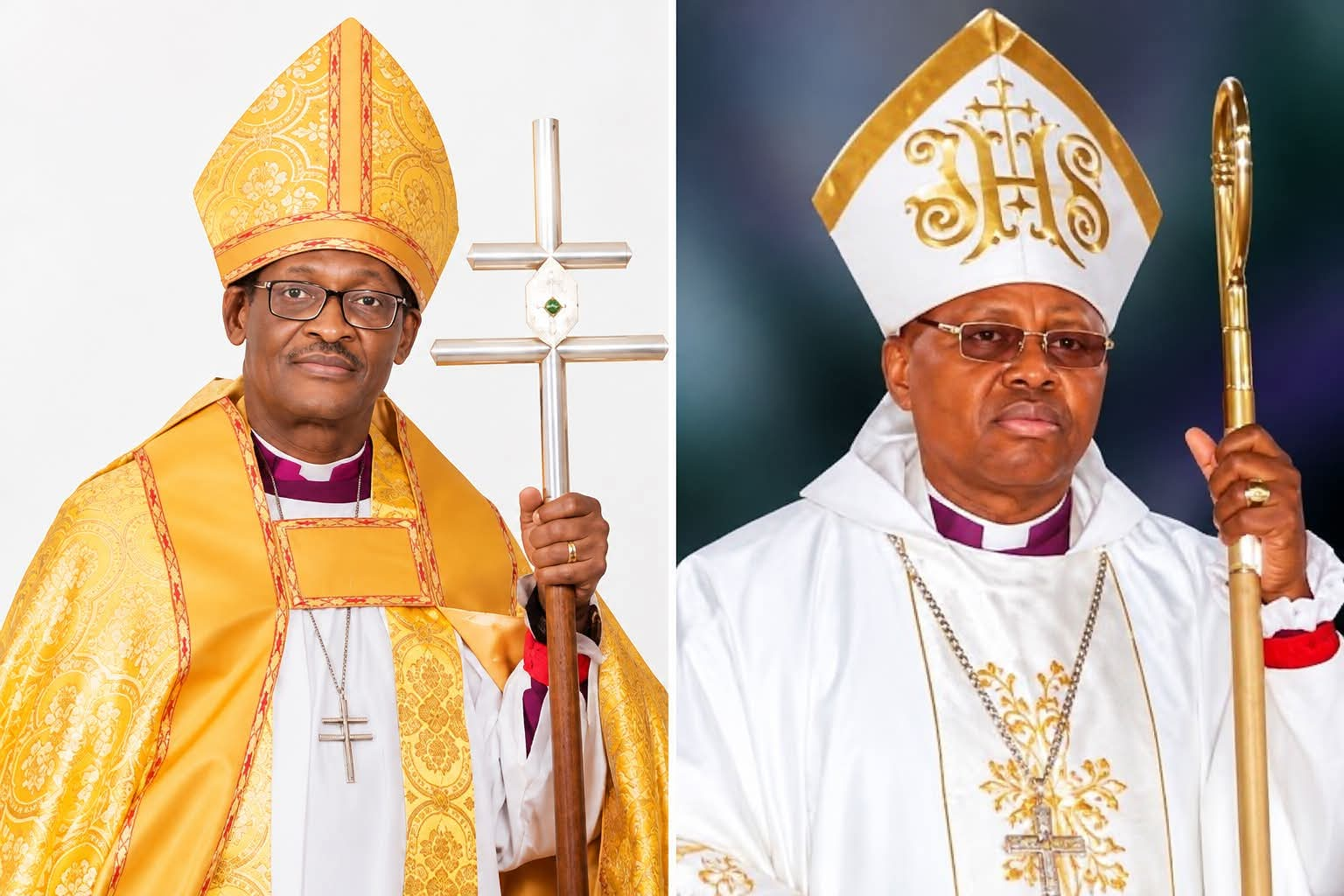
A concerned member of the Anglican Communion, Tony Okafor, has appealed to Archbishop Alexander C. Ibezim to embrace reconciliation, exercise restraint and prioritise the unity of the Church amid tensions following a communiqué issued by the Diocesan Board of Awka.
In an open letter addressed to the Archbishop, Okafor emphasised the need for wisdom, humility and respect for established ecclesiastical procedures, warning that internal disagreements should not be allowed to undermine the spiritual mission and institutional integrity of the Church.
He maintained that true leadership requires the ability to rise above personal differences and make sacrifices for the greater good, particularly when the unity and reputation of a religious institution are at stake.
“In moments of institutional disagreement, the true measure of leadership is not merely the ability to assert one’s rights but also the wisdom to make sacrifices for the greater good,” Okafor stated.
Describing the situation as concerning to members of the Anglican Communion, he urged the Archbishop to consider the broader implications of the dispute and work towards a peaceful resolution.
Okafor Calls for Restraint and Reconciliation
According to Okafor, Archbishop Ibezim, as a senior clergyman and father in the faith, has a responsibility to protect the unity, dignity and progress of the Church, regardless of the circumstances surrounding the disagreement.
He appealed to the Archbishop to avoid actions that could escalate tensions and instead create room for dialogue and reconciliation.
“At this critical juncture, I respectfully urge you to allow the sleeping dog to lie,” he wrote.
“As a father in the faith and a senior priest in God’s vineyard, you have a responsibility not only to defend your position but also to preserve the unity, dignity, and progress of the Church.”
Okafor argued that no personal disagreement, however serious, should be allowed to overshadow the spiritual responsibilities of the Anglican Communion or compromise the interests of its members.
He stressed that the Church must continue to embody the values of peace, humility, discipline and reconciliation that it preaches.
‘Leaders Must Lead by Example’
The concerned Anglican member also highlighted the importance of leadership by example, particularly in demonstrating respect for constituted authority and established institutional procedures.
He argued that senior clergy members have a responsibility to teach younger priests the importance of discipline, obedience to lawful directives and the peaceful resolution of disagreements through recognised ecclesiastical channels.
“Leadership also entails teaching younger clergy how to respect constituted authority, obey lawful directives, and pursue disagreements through established ecclesiastical channels,” Okafor stated.
He maintained that the credibility of the Church’s teachings on humility, obedience and submission depends, in part, on the willingness of its leaders to demonstrate those values when confronted with difficult circumstances.
According to him, disagreements within the Church should be handled in ways that preserve its institutional integrity and prevent internal disputes from becoming prolonged public confrontations.
Investigation Does Not Mean Guilt, Okafor Says
Addressing the question of accountability, Okafor stressed that an investigation should not be interpreted as a declaration of guilt.
He explained that investigations are necessary to establish facts, examine allegations and enable the appropriate authorities to reach informed conclusions.
“An investigation is not a declaration of guilt. It is a process for establishing facts, examining allegations, and arriving at an informed conclusion,” he stated.
Okafor further emphasised the importance of respecting the presumption of innocence while allowing legitimate investigative processes to proceed fairly and transparently.
He argued that cooperation with an impartial investigation should be seen as a demonstration of confidence in the truth and a commitment to institutional accountability, rather than an admission of wrongdoing.
The letter also called for a clear distinction between legal disputes and ecclesiastical matters, noting that each should be handled by the appropriate authorities in accordance with established procedures.
“Where legal questions arise, let the courts determine them. Where ecclesiastical procedures apply, let the appropriate church authorities discharge their responsibilities fairly and transparently,” he wrote.
He cautioned that public confrontations and threats of institutional separation could undermine the long-term interests of the Church and deepen divisions among its members.
‘The Church Is Bigger Than Any Individual’
In the concluding section of the letter, Okafor urged Archbishop Ibezim to demonstrate statesmanship by placing the enduring interests of the Church above immediate disagreements.
He observed that history often remembers leaders who rise above provocation, exercise restraint and protect the institutions entrusted to their care.
According to him, the present situation offers an opportunity for the Archbishop and other stakeholders to demonstrate leadership by allowing due process to prevail and creating an atmosphere conducive to genuine reconciliation.
“The Church is bigger than any individual, and its unity is more valuable than any temporary victory,” Okafor declared.
He called on all parties involved in the disagreement to embrace dialogue, respect established procedures and work towards a peaceful resolution that would allow the Church to continue its spiritual mission without unnecessary disruption.
Okafor concluded his letter with a prayer for divine guidance, expressing hope that wisdom, justice, humility and the greater good would prevail.
The appeal comes against the backdrop of concerns raised by the communiqué issued by the Diocesan Board of Awka. However, the specific issues underlying the dispute and Archbishop Ibezim’s position on the matters raised in the letter would require further clarification to provide a comprehensive account of the disagreement.
#