

Cityscope
New technology evolves to check electricity theft in Nigeria

By Our Reporter
An ultrasonic transparent metering technology is emerging as a potential tool in efforts to address electricity theft and improve consumption monitoring within Nigeria’s electricity distribution sector.
The technology, developed by indigenous energy and metering company Kenpetrus Energy Resources Ltd, is designed for deployment under the Meter Asset Provider (MAP) framework and other approved metering programmes.
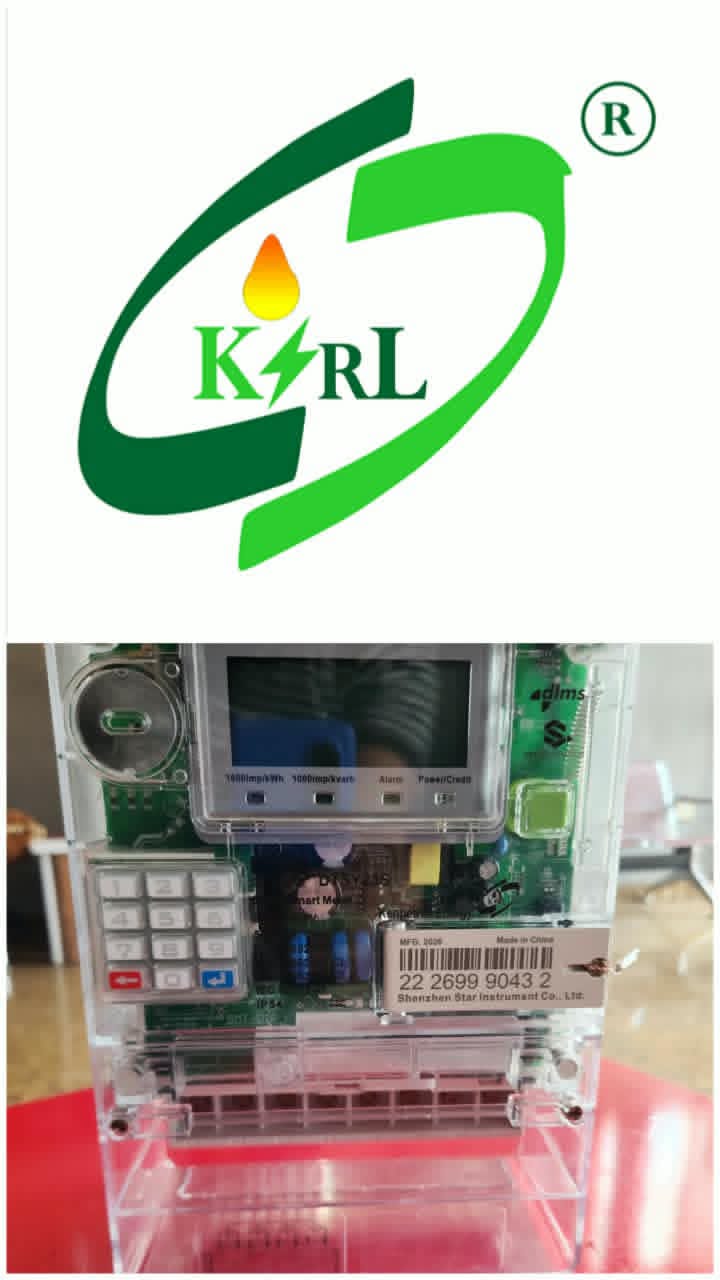
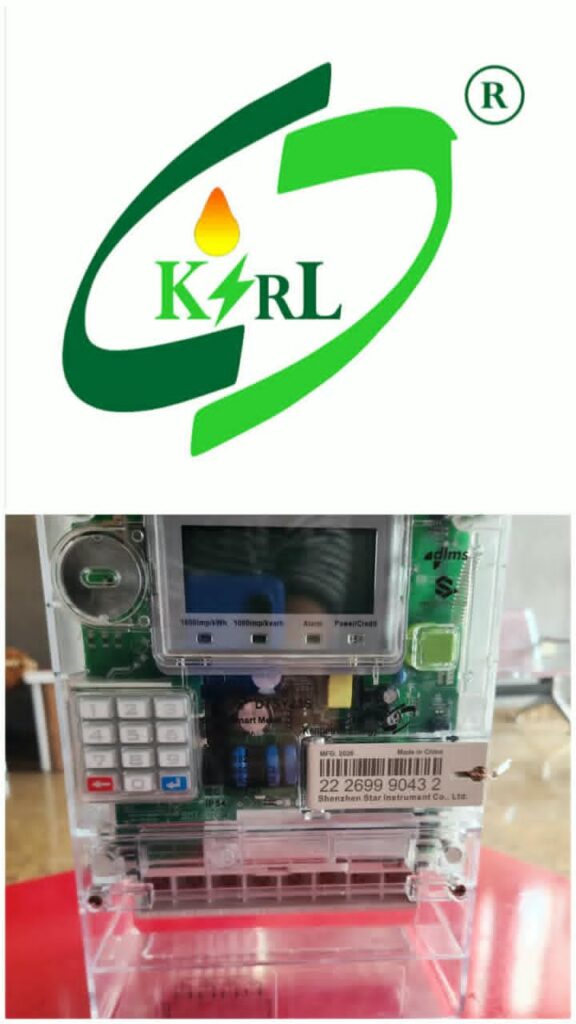
Unlike conventional meter enclosures, the ultrasonic meter incorporates a transparent housing that allows the internal components and metering mechanism to remain visible during inspection and maintenance. The design is intended to make physical interference, modification and other forms of tampering easier to identify.
The technology is being considered in the context of persistent challenges confronting Nigeria’s electricity distribution companies (DisCos), including meter bypass, illegal connections, unauthorised interference with metering infrastructure and other forms of energy theft.
Kenpetrus Energy Resources Ltd has been involved in metering activities associated with the Enugu Electricity Distribution Company (EEDC), while the technology is also being considered for use by other DisCos under relevant regulatory and programme requirements.
Speaking on the technology, the company’s Head of Operations, Henry Nwokike, said the growing incidence of electricity theft had made accurate and tamper-resistant metering an important component of efforts to improve the performance of the electricity market.
“Electricity theft remains a major challenge to the sustainability of the power sector. Our objective is to provide a metering solution that promotes transparency, accurate measurement and better monitoring of electricity consumption,” Nwokike said.
He, however, stressed that metering technology alone would not eliminate electricity theft, noting that effective monitoring, enforcement, maintenance of infrastructure and customer awareness would remain necessary.
According to him, the effectiveness of any metering system would depend not only on the technology deployed but also on how distribution companies use available data and revenue-protection mechanisms to identify and respond to irregular consumption.
The Chief Executive Officer of Kenpetrus Energy Resources Ltd, Antonio Ndubuizu, said improved metering was essential to addressing some of the weaknesses associated with the measurement and accounting of electricity consumption.
He said the challenge of electricity theft required a combination of accurate metering, effective monitoring and enforcement rather than reliance on a single intervention.
“If electricity consumption can be properly measured, monitored and accounted for, it becomes easier to improve billing transparency, identify irregularities and strengthen revenue protection,” Ndubuizu said.
The introduction of transparent metering technology comes amid continuing efforts within Nigeria’s power sector to improve metering coverage and reduce commercial losses suffered by electricity distribution companies.
Electricity theft through meter bypass, illegal connections and unauthorised interference with electricity infrastructure has remained a concern for DisCos because of its impact on revenue collection and the broader financial sustainability of the electricity market.
Under the MAP framework, metering assets are provided and financed by licensed Meter Asset Providers, subject to the applicable regulatory framework, rather than being treated as a general free-metering arrangement.
Industry stakeholders have increasingly linked improved metering with efforts to establish a more transparent relationship between electricity consumption, billing and revenue collection.
The ultrasonic transparent meter therefore represents one of the technological approaches being explored within the wider effort to improve metering integrity, strengthen consumption monitoring and reduce opportunities for electricity theft.
Its effectiveness in addressing energy theft, however, will ultimately depend on deployment standards, regulatory oversight, maintenance, monitoring systems and enforcement against illegal connections and other forms of electricity theft.