News
Hope in High Resolution: How NAUTH’s New MRI Facility Could Transform Healthcare in Southeast Nigeria

By Praise Chinecherem
For years, many patients across southeastern Nigeria faced a familiar dilemma after receiving recommendations for advanced diagnostic scans: travel long distances, endure long waiting periods, or abandon treatment altogether because of cost and limited access.
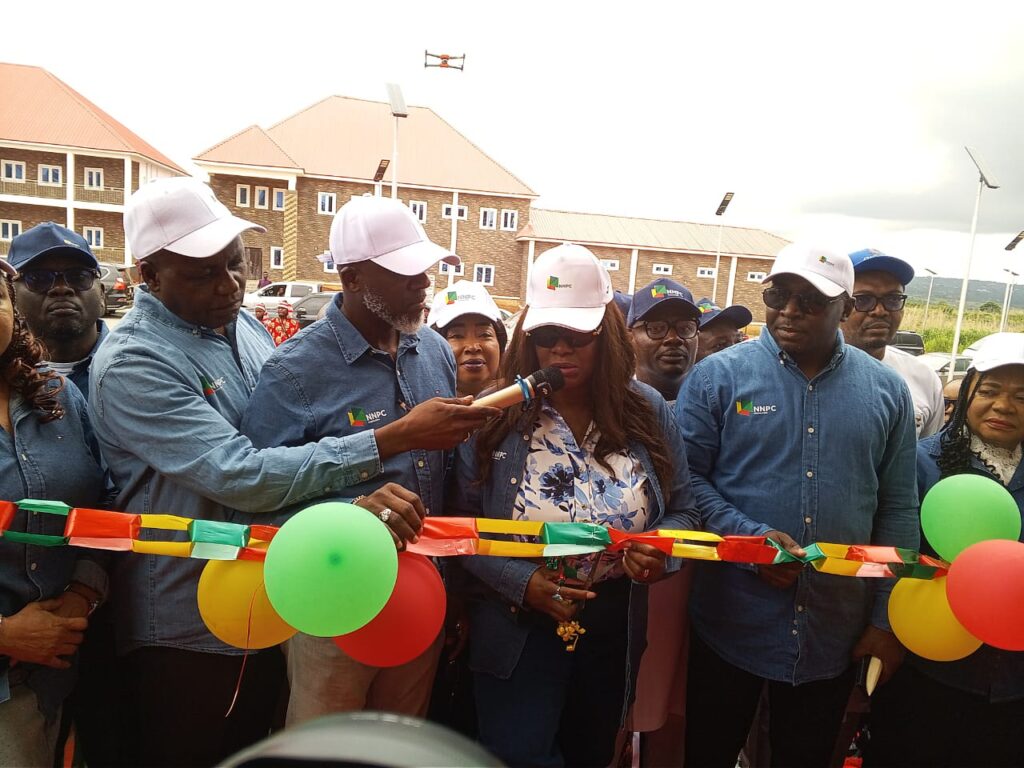
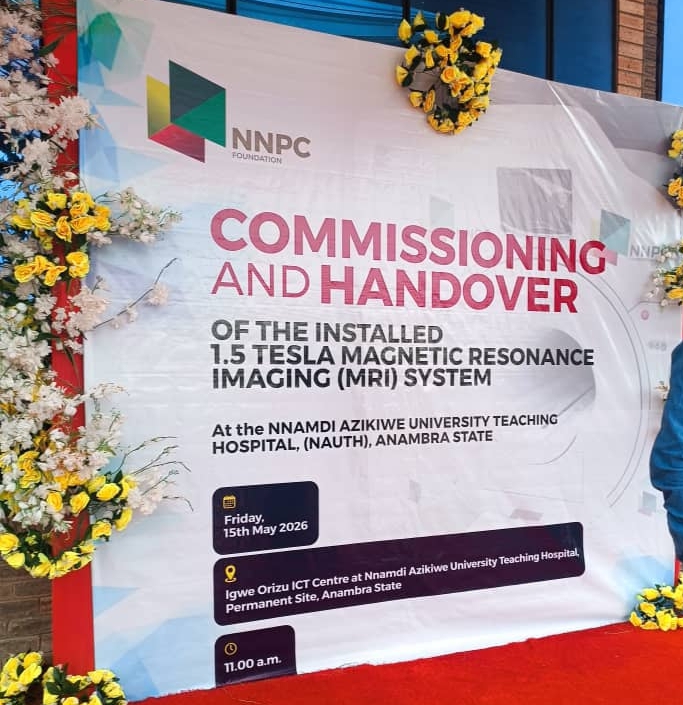
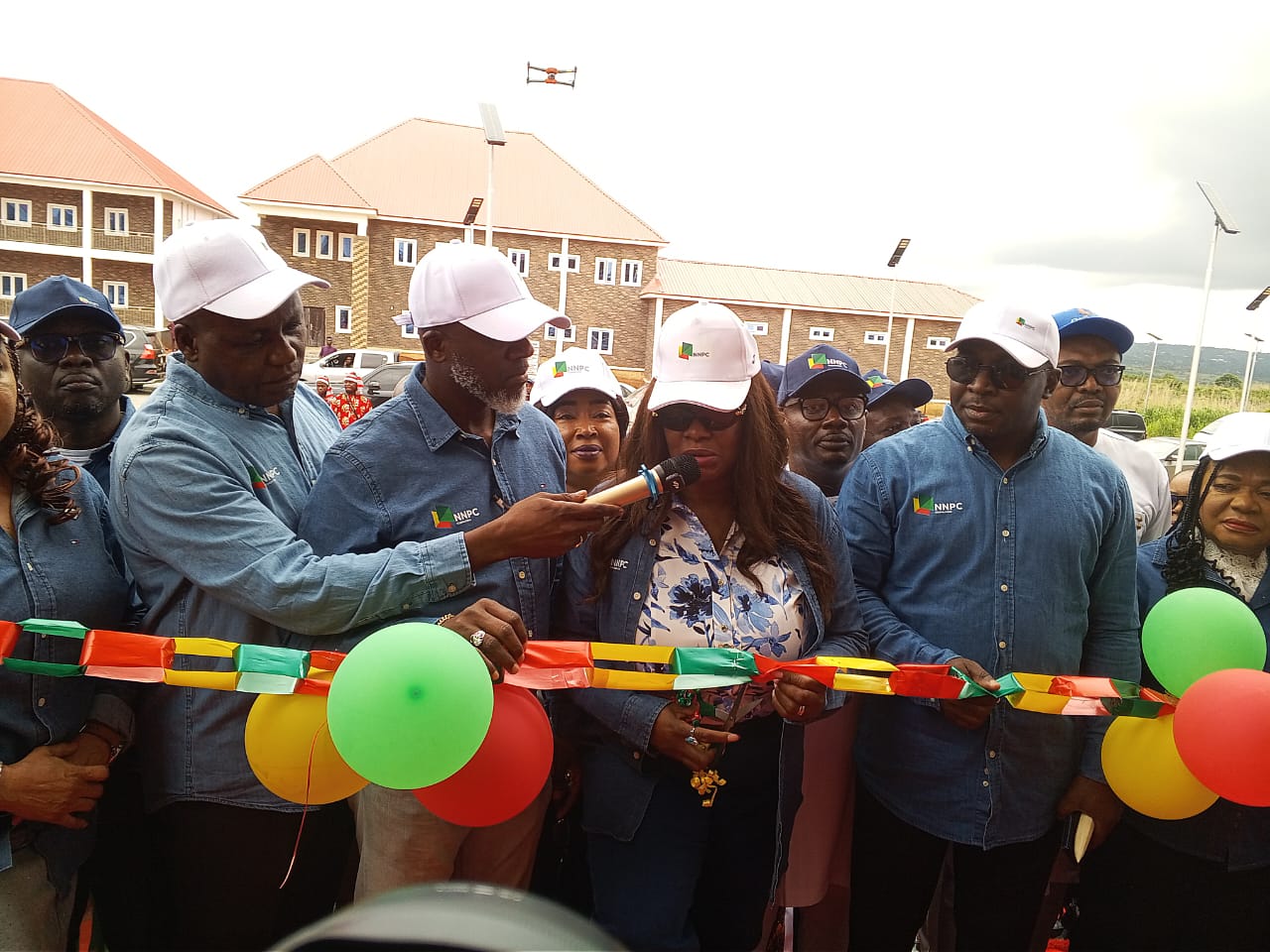
That reality may now be changing at Nnamdi Azikiwe University Teaching Hospital following the installation of a modern 1.5 Tesla Magnetic Resonance Imaging (MRI) system donated by NNPC Foundation Limited.
But beyond the unveiling ceremony and ribbon-cutting optics, hospital authorities say the significance of the new MRI machine lies in what it represents: faster diagnoses, improved survival chances and a major leap in specialist healthcare delivery for millions of Nigerians in the region.
Speaking during the commissioning and handover ceremony on Friday, Chief Medical Director of NAUTH, Prof. Joseph Ugbaja, described the facility as more than just another piece of medical equipment.
“This is not merely the commissioning of a machine,” Ugbaja said. “It is the installation of hope, precision and excellence in healthcare delivery.”
According to him, the MRI system marks a “quantum leap” in the hospital’s diagnostic capabilities, particularly in the management of neurological, musculoskeletal and oncological conditions where accurate imaging often determines the difference between early intervention and medical complications.
MRI technology remains globally recognized as one of the most effective tools for detailed imaging of soft tissues, spinal structures, internal organs and brain-related conditions. Yet in Nigeria, access to such diagnostic services remains heavily concentrated in a few urban centres, leaving patients in many regions underserved.
“For too long, patients in our catchment area have had to travel long distances to access this level of diagnostic precision, often at prohibitive costs,” Ugbaja stated.
“With this installation, we eliminate that burden. We bring world-class diagnostics closer to our people.”
The intervention is expected to significantly reduce medical referrals outside Anambra State while improving turnaround time for critical diagnoses. Patients from Anambra State, Enugu State, Imo State, Abia State, Ebonyi State and Delta State are expected to benefit from the facility.
Healthcare analysts have repeatedly identified diagnostic infrastructure as one of the weakest links in Nigeria’s medical system. Delayed diagnoses, especially in cancer, stroke and neurological disorders, continue to contribute to poor health outcomes nationwide.
For many patients, the challenge is not merely treatment, but getting accurate diagnoses on time.
Managing Director of NNPC Foundation Ltd/Gte, Mrs. Emmanuella Arukwe, acknowledged these realities, saying the intervention was designed specifically to address critical gaps in healthcare accessibility.
“For many families, obtaining critical diagnostic scans such as MRI often requires travelling long distances, enduring extended waiting periods and, in some cases, delaying urgently needed medical care because of cost or limited availability,” she said.
According to Arukwe, the donation reflects the foundation’s broader social investment strategy in public healthcare delivery.
“This intervention represents far more than the installation of medical equipment,” she noted. “It is a practical investment in healthcare access, diagnostic accuracy and improved patient outcomes.”
The project also aligns with ongoing efforts to strengthen tertiary healthcare institutions under the Federal Government’s healthcare reform agenda. Ugbaja linked the MRI installation to NAUTH’s 10-year strategic development framework as well as President Bola Tinubu’s Renewed Hope Agenda and the policy direction of the Federal Ministry of Health and Social Welfare.
Yet even amid the celebrations, the NAUTH management emphasized that sophisticated equipment alone cannot transform healthcare outcomes without qualified personnel and institutional discipline.
In a pointed message to hospital staff, the CMD charged radiologists, consultants, radiographers, nurses and technicians to uphold international standards in operating the facility.
“Let every image produced here be a testament to excellence,” he said. “Let every diagnosis be swift and accurate. Let every patient who lies within that bore feel the confidence that they are receiving care comparable to anywhere in the world.”
He stressed that NAUTH had already begun parallel investments in staff training and human resource development to ensure the MRI unit functions at globally acceptable standards.
“We recognize that equipment alone does not make a great hospital,” Ugbaja added. “It is the human beings behind the equipment — their expertise, compassion and dedication.”
That statement perhaps captures the deeper significance of the new MRI system.
Across Nigeria, tertiary hospitals continue to struggle with inadequate funding, brain drain, obsolete equipment and rising patient demand. In many cases, even where medical infrastructure exists, shortages of trained personnel undermine service delivery.
NAUTH’s new MRI facility therefore represents both opportunity and responsibility — an opportunity to improve healthcare access across the Southeast, and a responsibility to maintain standards that justify public confidence.
For patients who previously travelled to Lagos, Abuja or private diagnostic centres for advanced imaging, the development could mean reduced financial strain, quicker diagnoses and earlier treatment decisions.
In practical terms, it may also save lives.
As the commissioning ceremony concluded, one message resonated clearly through the speeches and symbolism of the event: in healthcare, technology matters, but access matters even more.
And for thousands of patients across southeastern Nigeria, access may now be a little closer to home.