

News
IPMAN Sets Up Taskforce to Enforce NMDPRA Fuel Dispensing, Licensing Rules in Southeast

By Our Reporter
The Independent Petroleum Marketers Association of Nigeria (IPMAN), Enugu Depot Community, has established a taskforce to ensure strict compliance with petroleum dispensing, meterage and licensing regulations among its members in the Southeast.
The decision was reached at an emergency Annual General Meeting (AGM) held with members of the Petroleum Dealers Association of Nigeria (PEDAN) and representatives of the Nigerian Midstream and Downstream Petroleum Regulatory Authority (NMDPRA).
A communiqué issued at the end of the meeting and made available to journalists on Wednesday was signed by Chinedu Anyaso and Nnaemeka Iloafor, Chairman and Secretary of IPMAN Southeast Zone, respectively.
The association urged petroleum marketers to comply fully with NMDPRA’s guidelines on dispensing accuracy, meterage and other regulatory requirements.
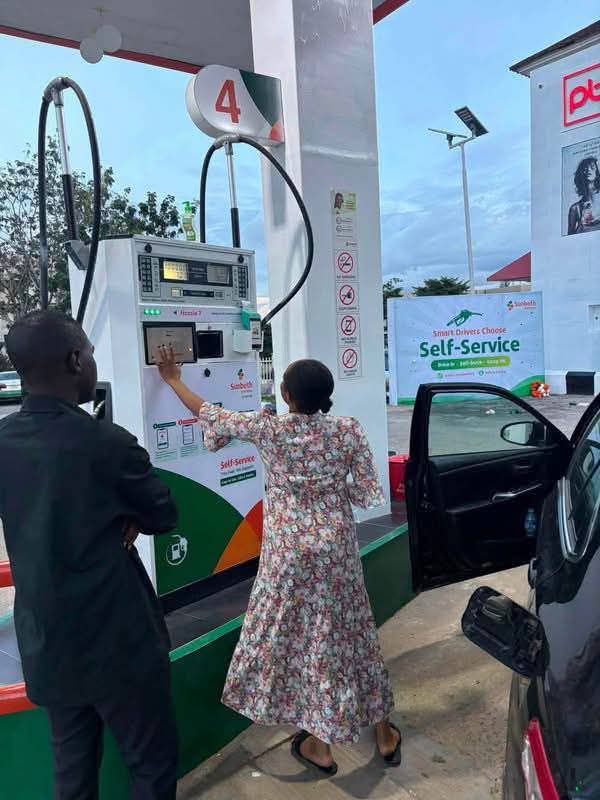
According to IPMAN, the move followed NMDPRA’s directive that retail outlet operators immediately calibrate and verify their dispensers and totalizers to protect consumers from inaccurate measurements.
The regulator said the directive was aimed at ensuring accurate measurement and guaranteeing that consumers receive the full value of the petroleum products for which they pay.
IPMAN said its newly established taskforce would monitor compliance with prescribed tolerance limits for fuel dispensing, as well as ensure that members adhere to licensing and renewal requirements.
The association warned that marketers found guilty of under-dispensing would face a ₦250,000 penalty for a first offence, while repeat offenders could have their stations sealed, with operating licences suspended or revoked for between three and six months.
“Stations which fail to renew their licence will be penalised and their facilities sealed. Those who commence renewal after the 90-day grace window will also be required to pay a late-entry penalty of ₦100,000,” the communiqué stated.
IPMAN, however, appealed to NMDPRA to grant a moratorium to members who were yet to obtain or renew their operating licences.
The association attributed some delays in the licensing process to difficulties in obtaining tax clearance certificates, which are required for licence applications and renewals.
It therefore urged NMDPRA to liaise with relevant government agencies to address the bottleneck and make the licensing process easier for marketers.
IPMAN also warned members against tampering with dispenser seals, including covering or removing them, or selling petroleum products from pumps with compromised seals, describing such actions as serious offences liable to sanctions.
The association further advised marketers who experience under-loading at depots to report such cases to the Petroleum Tanker Drivers’ union rather than tamper with dispensing equipment or violate prescribed meterage guidelines.
While acknowledging challenges including fluctuations in purchasing power, accidental losses, volatility in petroleum product prices and technical errors involving dispensing pumps, IPMAN urged members to operate within the approved tolerance limits of 10.3 litres and 20.6 litres for every 10-litre and 20-litre measurement respectively.
The association also directed members leasing filling stations to formally notify NMDPRA of the arrangement to facilitate fair negotiations with landlords regarding licence renewal terms.
It warned that stations that abandon the renewal process because of delays in obtaining tax clearance, without uploading other required documents, would be classified as non-compliant and sanctioned.
IPMAN and PEDAN reaffirmed their commitment to maintaining a cordial relationship with NMDPRA and supporting regulatory measures aimed at protecting consumers and improving standards in Nigeria’s downstream petroleum sector.
The association also assured that its taskforce would work to ensure that members do not impose unauthorised charges on consumers in the course of selling petroleum products.
#