

News
Anambra Women Take Fight Against GBV to Grassroots as GPSDC, WACOL Begin New Push

By Ukpa Ewa
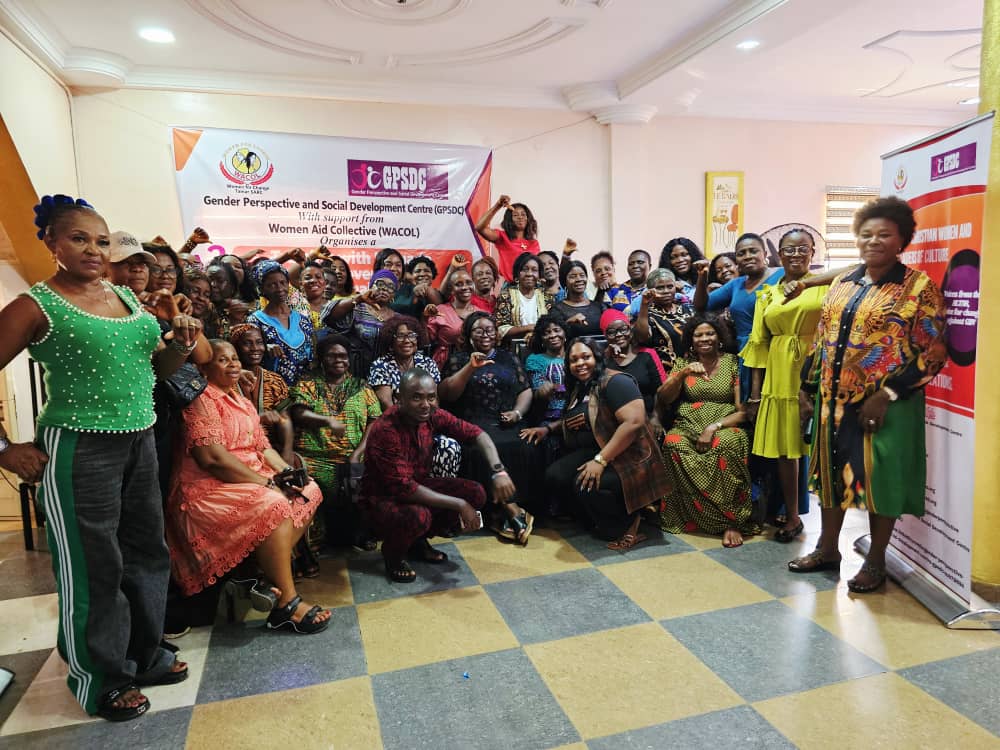
Women leaders from Nkpor and Nibo communities in Anambra State have been challenged to use their cultural and community influence to prevent gender-based violence and push for reforms that protect women and girls.
The call came during a two-day training organised by the Gender Perspective and Social Development Centre (GPSDC), with support from the Women Aid Collective (WACOL), in Awka on September 23 and 24, 2026.
The training brought together Umuada women under a project aimed at strengthening grassroots organisations to prevent and respond to GBV.
For GPSDC Executive Director, Mrs. Eucharia Anekwe, the first step is leadership.
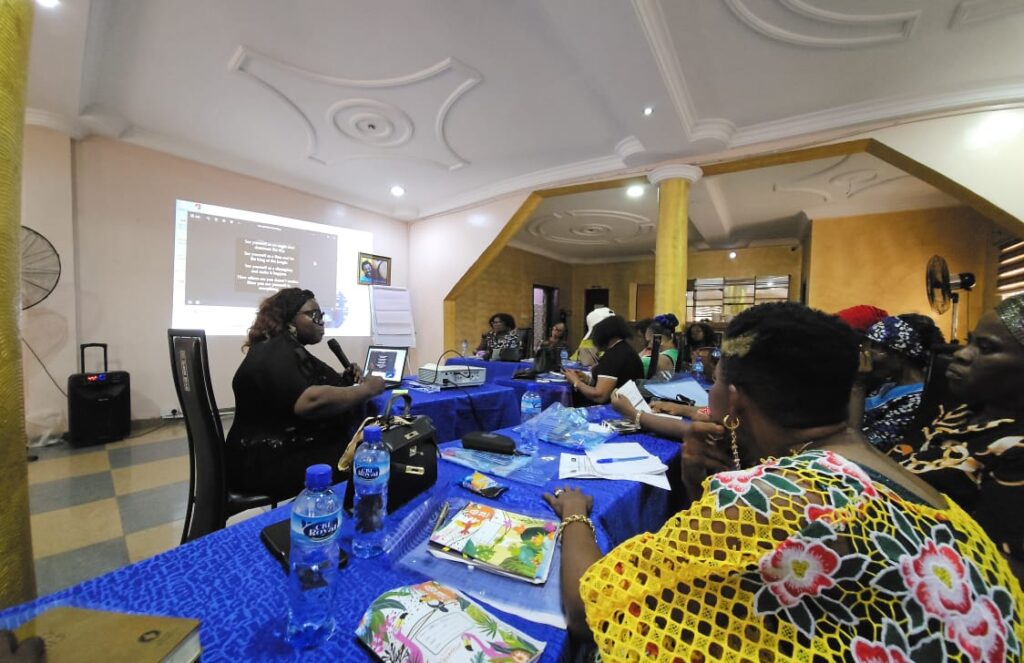
Speaking on “Umuada, Community Leadership and Institutional Change,” Anekwe urged the women to develop their leadership capacity and take collective action against harmful practices in their communities.
“Leadership skills, like management skills, can be learned,” she said, identifying honesty, commitment, effective communication and confidence as qualities needed by effective leaders.
She urged Umuada to strengthen their structures and understand their responsibilities as community actors.
“The essence of strengthening Umuada is to equip them to take action within their communities,” she said.
Anekwe also called for rotational leadership and constitutional reforms that would increase women’s participation and accountability in community governance.
She cited Nkpor, where Umuada had advocated for a change in the community’s leadership structure after a president remained in office for more than three decades.
‘People make culture’
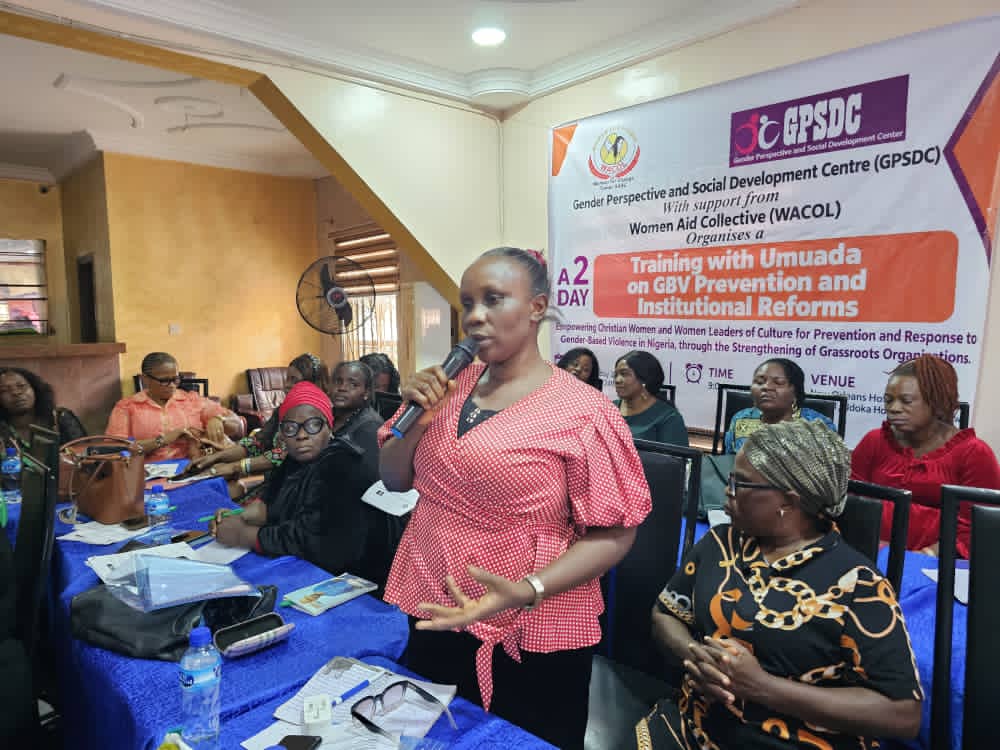
Dr. Winnie Arinze, Coordinator of Umuada Igbo Nigeria and in Diaspora, challenged the women to rethink how culture is used in responding to violence.
Quoting Chimamanda Ngozi Adichie, she said, “Culture does not make people, people make culture.”
Arinze said Umuada, as daughters and sisters of the lineage, have significant influence within their communities and should use that influence to protect women and girls rather than stigmatise survivors.
She urged the participants to challenge jokes, proverbs and cultural practices that normalise abuse and called for greater involvement of men and boys in prevention efforts.
“Gender-based violence is not women’s issue, it is a community issue,” Arinze said.
‘Prayer alone is not enough’
Mrs. Nonye Okpeze of the Women’s Wing of the Christian Association of Nigeria (WOWICAN) also challenged religious communities to reconsider how they respond to domestic and gender-based violence.
She warned against telling women experiencing abuse to simply endure their situation or “pray about it.”
Instead, she called for responses based on love, justice, responsibility, restoration and protection.
Tackling the roots of violence
GPSDC Programme Manager, Mrs. Ozoemena Ogochukwu, identified gender inequality, unequal power relations and harmful social norms as key factors driving GBV.
She said the current phase of the project was deliberately shifting emphasis from responding to cases after violence occurs to preventing violence through community action.
GPSDC Monitoring and Evaluation Officer, Mr. Mmadubueze Christian, said the organisation’s earlier interventions had focused significantly on GBV response, including work in Nibo and Nkpor.
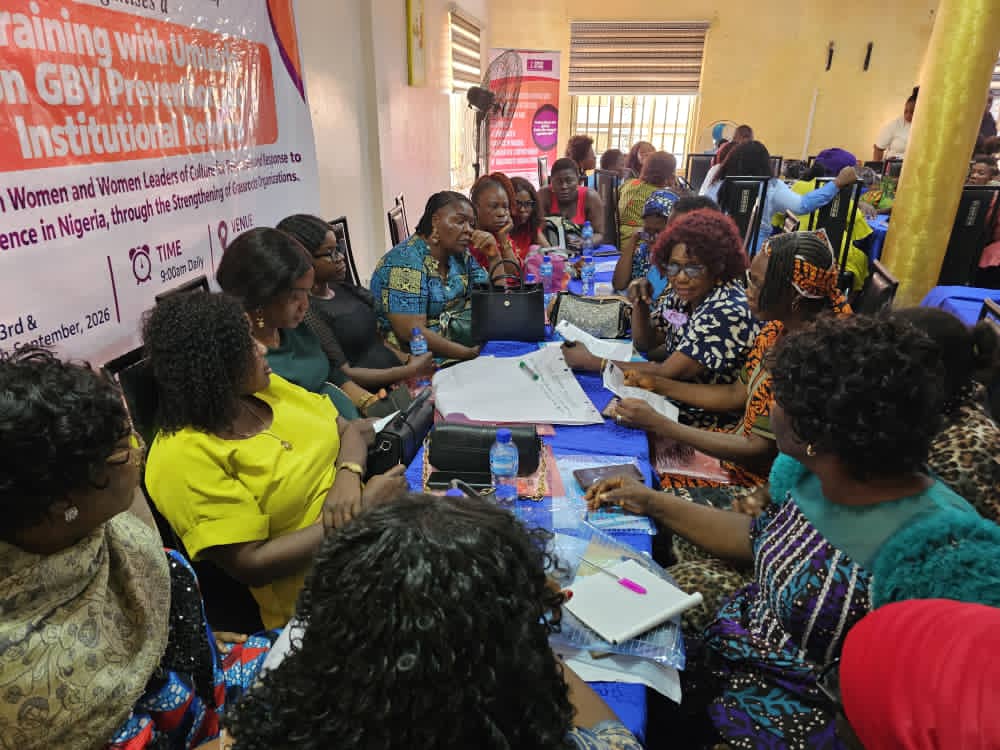
The participants were subsequently taken through advocacy strategies, women’s rights, gender equality and accountability, as well as methods for engaging traditional, religious and community leaders.
Mrs. Oluchi Chikwunie of GPSDC emphasised that accountability must extend to families, communities and institutions.
From training room to community action
The women leaders shared experiences of GBV and harmful practices in their communities and pledged to take the knowledge gained back to their communities.
They also committed to challenging practices and policies that perpetuate violence and creating safe and confidential pathways for survivors seeking help.
The training ended with the presentation of the Umuada Advocacy and Institutional Reform Action Plan, setting out practical measures the women leaders intend to pursue at community level.
The message from the training was clear: preventing GBV requires more than responding when violence has already occurred. It requires community leadership, cultural reflection, institutional accountability and sustained grassroots action.
#