News
COOU: From University Farms to a Food Security Powerhouse

By Our Reporter
What started as a modest agricultural initiative at Chukwuemeka Odumegwu Ojukwu University (COOU) is rapidly developing into a full-scale production system, with thousands of crops, expanding plantations and greenhouse facilities now supporting the University’s food-security drive.
The transformation has gathered pace under the leadership of Vice-Chancellor, Prof. Kate Azuka Omenugha.
In October 2024, barely a year into her administration, COOU had cultivated almost 10 hectares of cassava. By September 2025, the University’s agricultural portfolio had expanded to include vegetables, pepper, catfish and other projects.
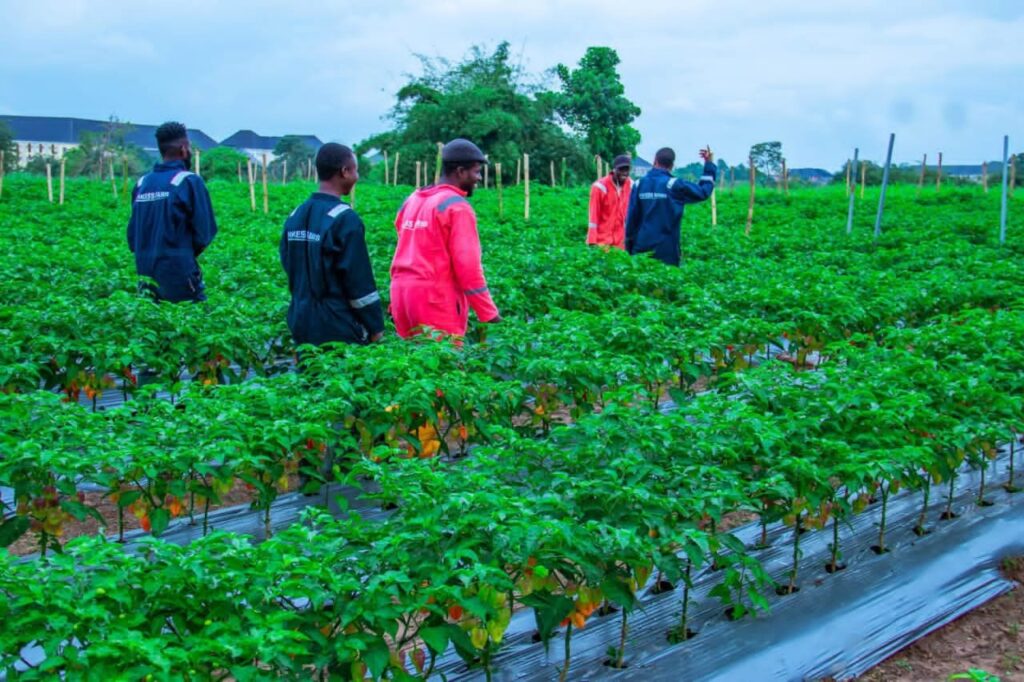
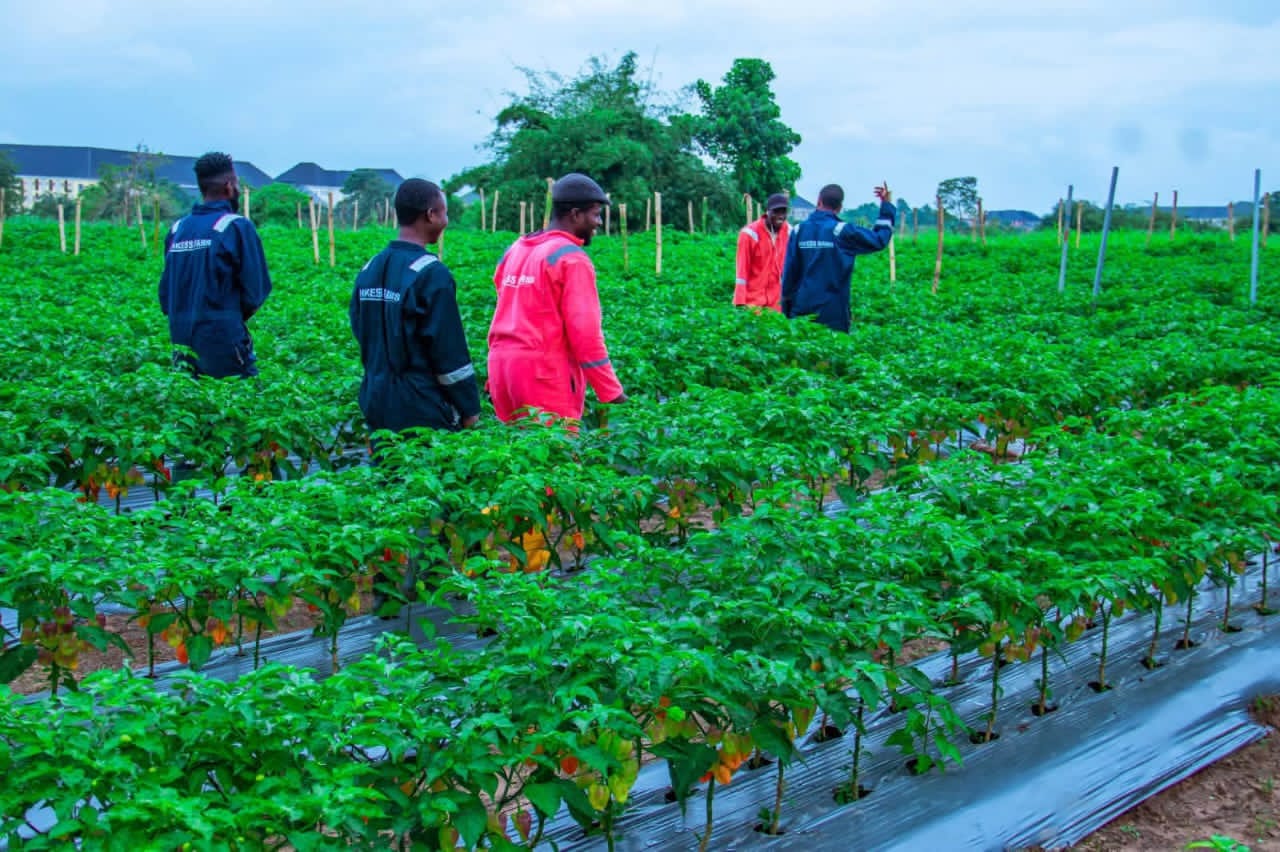
A recent inspection of the agricultural project behind Emelda Hostel shows how far the initiative has progressed.
At the farm are approximately 20,000 stands of Habanero pepper, with harvesting already underway. According to information provided during the visit, the farm can produce more than 400kg of pepper weekly.
The pepper farm is only part of the operation. The University is also preparing more than 10,000 Moringa seedlings for transplantation to a planned one-hectare Moringa farm. There is a two-hectare-plus plantain plantation, alongside watermelon, tomatoes and sweet cucumber. Six greenhouses also support the University’s agricultural activities.
The scale of the projects suggests that COOU’s agricultural programme is moving beyond demonstration farming to organised production.
For students, particularly those in the Faculty of Agriculture, the farms offer another important benefit: practical learning.
Here, students can gain direct exposure to crop production, nursery management, greenhouse farming and harvesting—experience that complements classroom instruction and prepares them for the realities of the agricultural sector.
The administration’s strategy has also included partnerships and Memoranda of Understanding aimed at expanding agricultural activities within the University. The growing number of operational projects provides evidence that some of those partnerships are translating into tangible results.
“Seeing is believing,” was the clearest takeaway from the recent farm visit.
COOU’s agricultural story is therefore no longer just about individual projects. Cassava, catfish, vegetables, Habanero pepper, plantain, watermelon, tomatoes, cucumber and Moringa are increasingly becoming components of a broader agricultural ecosystem.
At a time when food security has become a critical national concern, the University’s approach offers a practical model of how higher institutions can contribute through production, research, training and innovation.
Agriculture is becoming more than a course of study at COOU. It is becoming part of the University’s identity.
And if the current momentum continues, the idea of COOU as a potential “Food Basket of the Nation” may soon sound less like a slogan and more like a description of what the University is becoming.