News
Accountable Borrowing: Peter Obi Demands Transparency, Cites S’African Model

By Praise Chinecherem
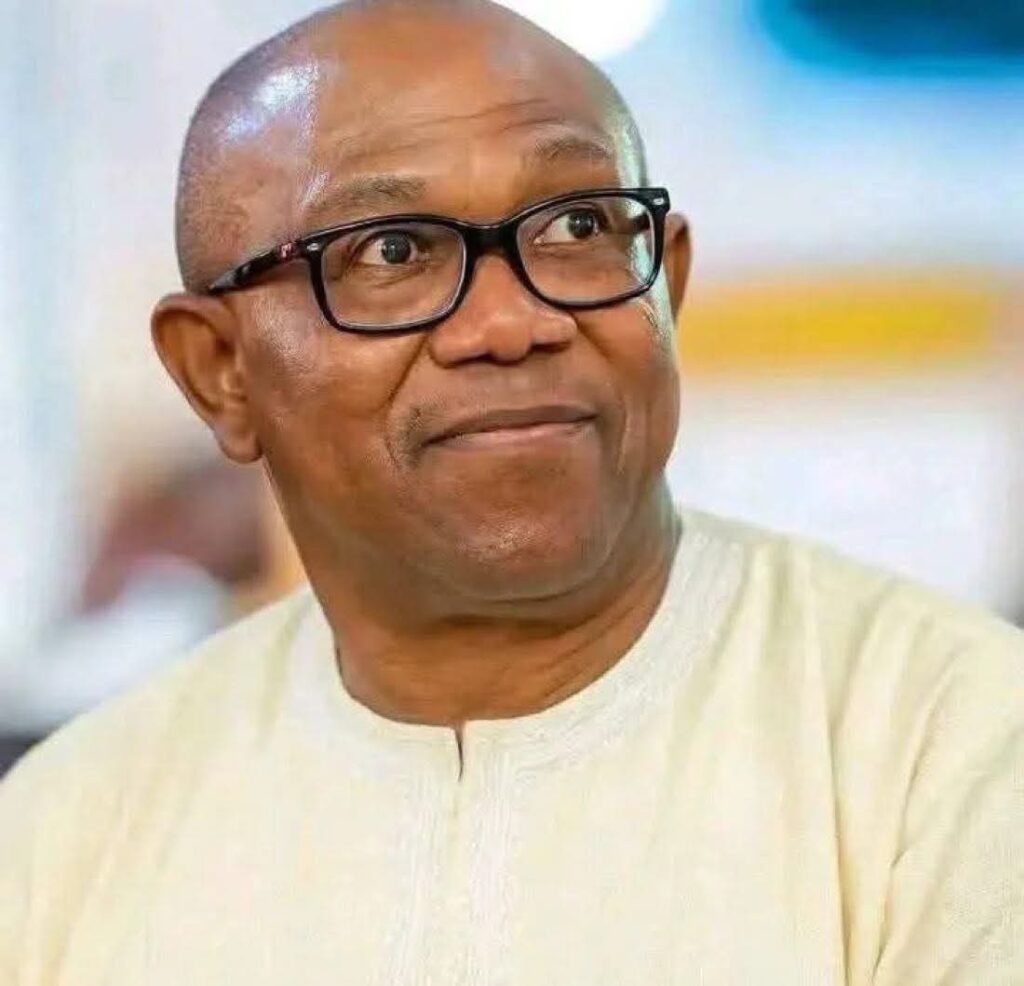
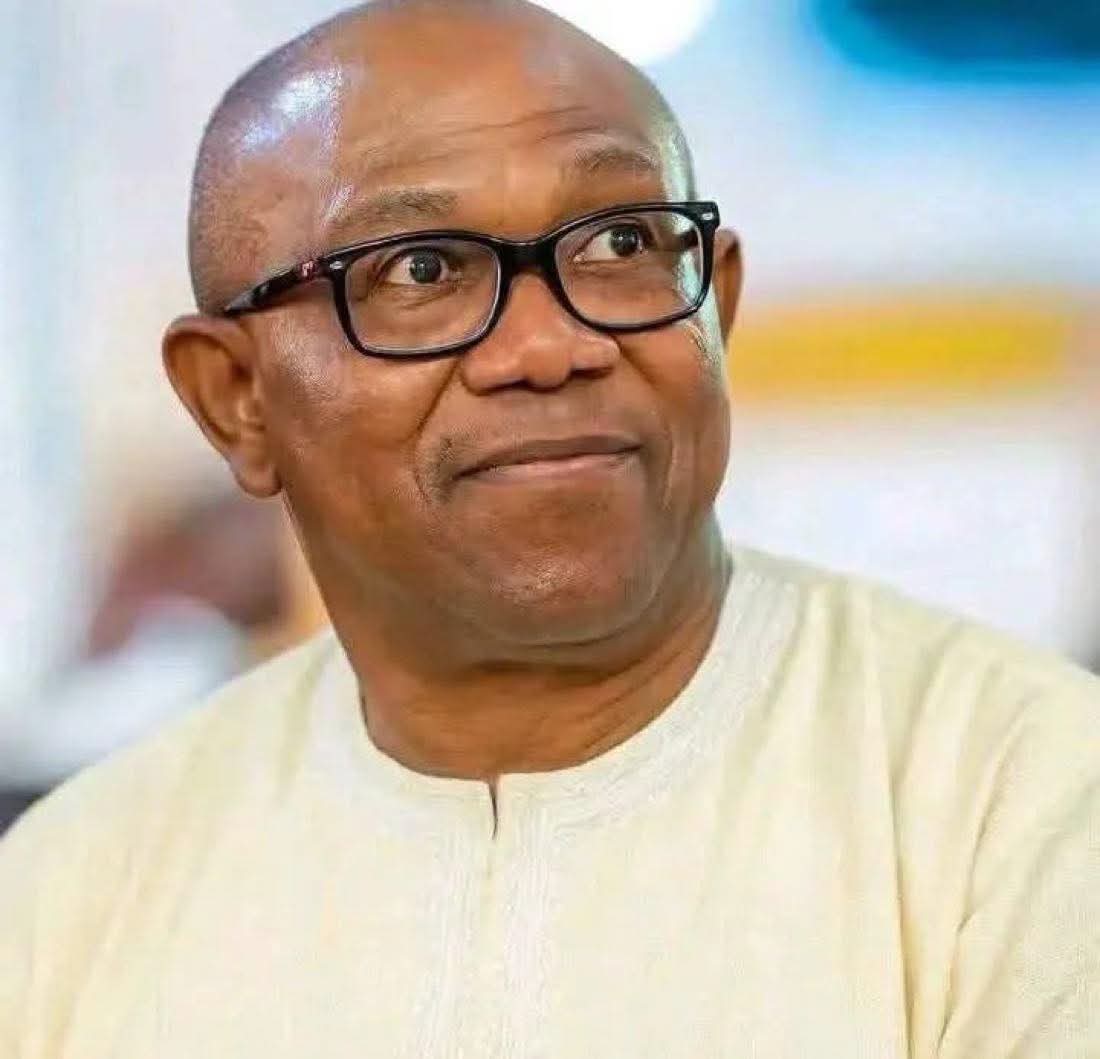
Presidential candidate of the Nigeria Democratic Congress ( NDC), Mr. Peter Obi, has reiterated that borrowing is not inherently negative, but stressed that what matters most is how borrowed funds are used and whether citizens can see tangible benefits.
In a statement titled “Accountable Borrowing: The South Africa Example,” Obi said every nation borrows, but responsible governance requires that such debts are tied to clear, measurable projects that improve citizens’ lives.
He cited South Africa’s recent $1 billion loan from the New Development Bank as an example of transparent borrowing.
According to him, the funds were publicly linked to specific projects, including upgrading water supply systems, modernising sanitation infrastructure, improving electricity distribution, and strengthening waste management services across major cities such as Johannesburg, Cape Town, and Durban.
Obi described this approach as a model of accountable borrowing, noting that clearly defined purposes and identifiable projects make it easier for citizens to monitor impact and hold government accountable.
He, however, contrasted this with Nigeria’s situation, alleging that public debt has risen significantly while lacking transparency in its deployment.
He claimed that Nigeria’s total public debt increased from about ₦87 trillion in 2023 to nearly ₦200 trillion, expressing concern over the absence of clear explanations on how such funds are being utilized across critical sectors like education, healthcare, power, security, and infrastructure.
Obi warned that borrowing must never become an end in itself, but should be tied to productive investments capable of creating jobs, reducing poverty, and improving welfare.
He further emphasized that good governance demands transparency and accountability, insisting that citizens should be able to clearly see what was borrowed, where it was invested, and what outcomes have been achieved.
Concluding, he said every borrowing decision should answer a fundamental question: how does it improve the life of the ordinary Nigerian? He warned that failure to answer this risks passing today’s financial burdens to future generations.