News
Stakeholders Raise Alarm over Growing Abortion, HIV/AIDS Among Girls, Children in Anambra

By Praise Chinecherem
Stakeholders under the Strengthening Public Accountability for Results and Knowledge (SPARK 2) Project have expressed concerns over growing abortion among young girls and HIV/AIDS among children in Anambra state.
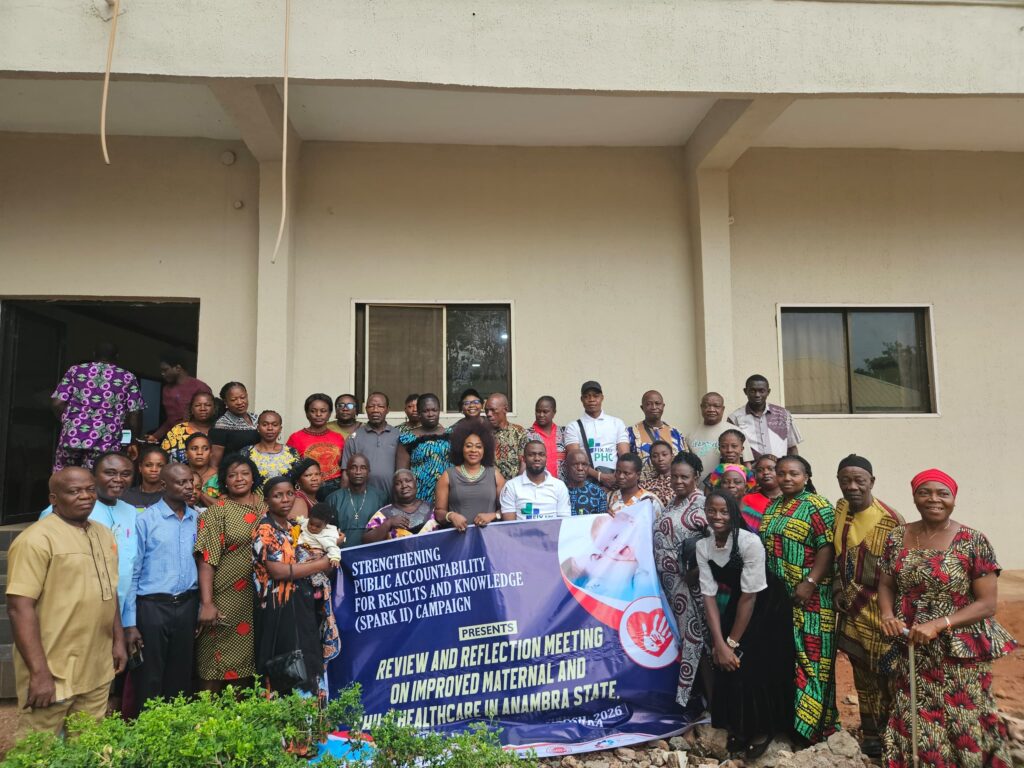
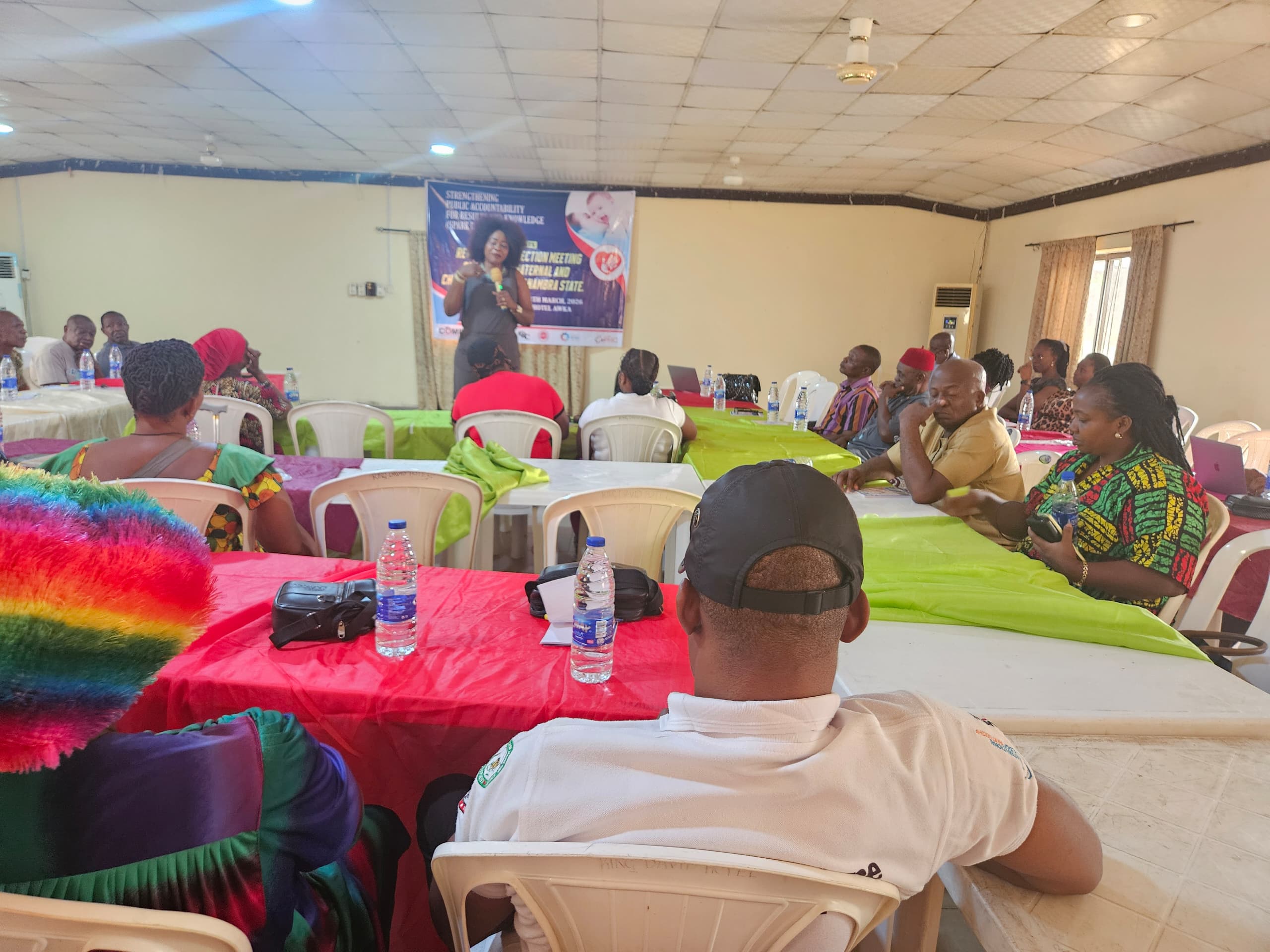
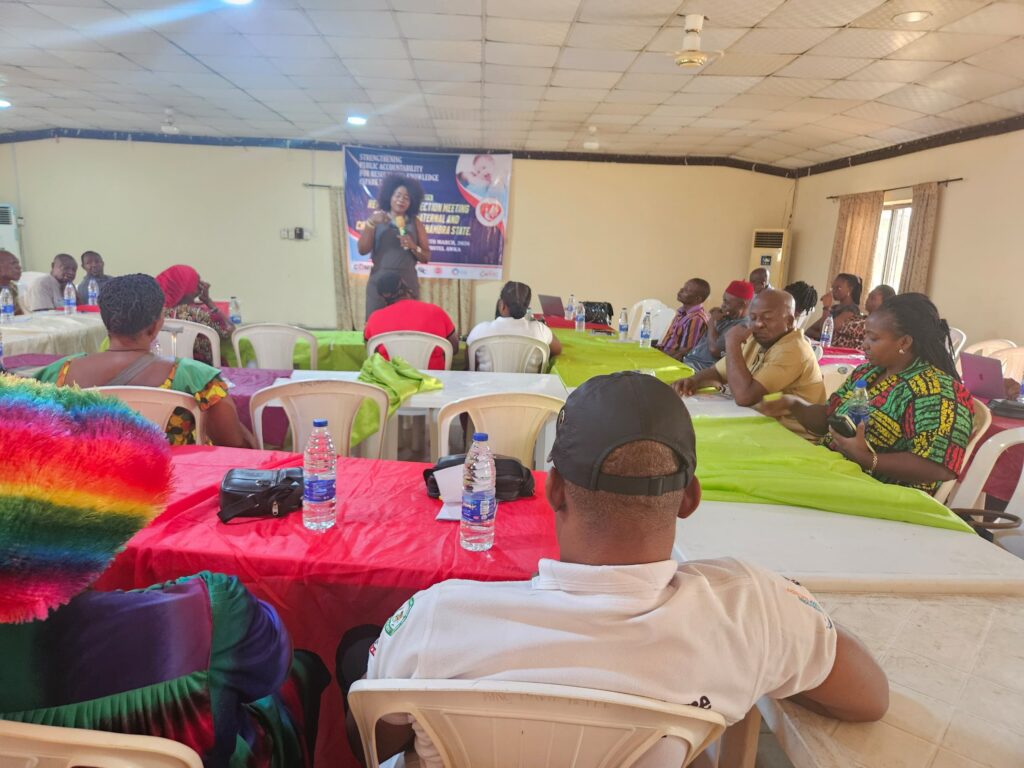
The stakeholders raised the alarm at one-day review and reflection meeting on improved maternal and child health service delivery across PHCs in the state.
The SPARK 2 Project, supported by the International Budget Partnership, is implemented in Anambra by four partners — Justice, Development and Peace Caritas (JDPC) Nnewi, Social and Integral Development Centre, (SIDEC), Civil Rights Concern (CRC), and the Community Empowerment Network (COMEN).
Speaking during the meeting in Awka, Programme Manager for SPARK at JDPC Nnewi, Onyekachi Ololo regretted that the ugly trends had contributed to increase in maternal and neonatal mortality.
He attributed increasing HIV cases among children to practices of traditional birth attendants using their tools on multiple children, just as he advised women against unsafe abortion.
He said, “While reviewing these activities and ensuring increase in patronage across PHCs, we discovered a worrying self-help emergency which is abortion.
“As we’re equipping government hospitals to take care of pregnant women, there are young ladies coming for abortion which is contributing to increase in maternal and neonatal mortality.
“Another disturbing trend is high rate of children in the state with HIV AIDS, which has been attributed to the practices of traditional birth attendants.
“Imagine a traditional birth attendant using her tools on multiple children. If in the process the tool is used on infected child, others following the child run the risk of contracting the disease.
“Of course, you can’t say those children contracted it through sexual intercourse. These are part of the issues we’re reflecting on in this engagement. As we review the past, we come up with other approaches.
“We’re urging women to dissuade abortion. If one is pregnant, she should take it through. The worst scenario is the accompanying shame.”
While urging families and OICs to accept such victims, providing them with adequate care rather than discrimination, Ololo argued that the victim should own up the responsibility rather than complicate issues by resorting to abortion and risking her life.
“There’s also need for traditional birth attendants to work closely with the OICs, since some women are more comfortable with the traditional birth attendants.
“As we look at their environment and the tools they work with, we’re also engaging them in a round table discussion as critical stakeholders on the welfare and services they render.
“We’re also working closely with Ministry of health and Anambra state Primary Health Care Development Agency (ANSPHCDA) including providing them with information and necessary services.
Assuring further training for the OICs and WDCs on their responsibilities towards providing universal health coverage, the Programme Manager expressed confidence on their capacity to deliver on their mandate.
“We’re building capacity of community members to understand what services should be available at PHCs, to track health budgets and to report gaps to those responsible.
“Efforts are being made to ensure voices of pregnant women, nursing mothers and persons with disabilities are heard. Our anticipation is with all these, there will be reduction in maternal and neonatal mortality in the state,” he added.
Earlier, Executive Director, SIDEC, Ugochi Ehiahuruike said the engagement was centered on maternal and child healthcare service delivery, using basic healthcare provision funds facilities as entry point.
According to her, the meeting was not just a routine review, but deliberate effort to measure change, as well as opportunity to “harvest results,” evaluate impact and map out future interventions.
“Although the core campaign ended in December, additional three-month extension allowed partners to deepen engagement and consolidate gains.
“What we are doing here is taking stock, understanding what has worked, what has changed, and what needs to happen next.
“A central pillar of the SPARK 2 intervention has been capacity building at the grassroots level,” she added.
While noting training of community members, particularly those in Ward Development Committees (WDCs) on leadership, accountability and effective engagement with government actors, SIDEC boss expressed joy that the move has already started yielding results.