

News
GPSDC, WACOL Take Campaign Against Gender-Based Violence to Nkpor, Demand Justice for Survivors

By Ukpa Ewa
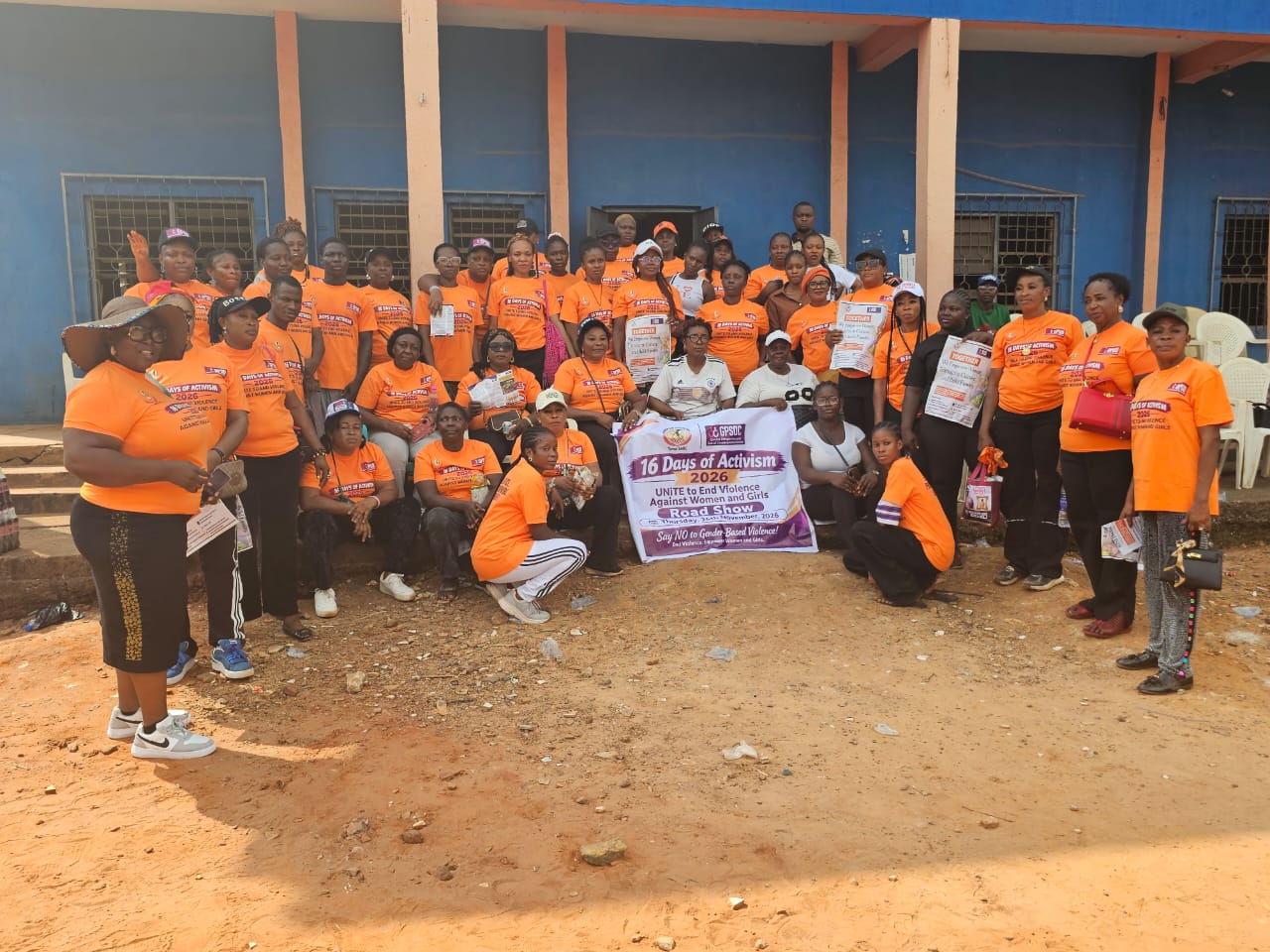
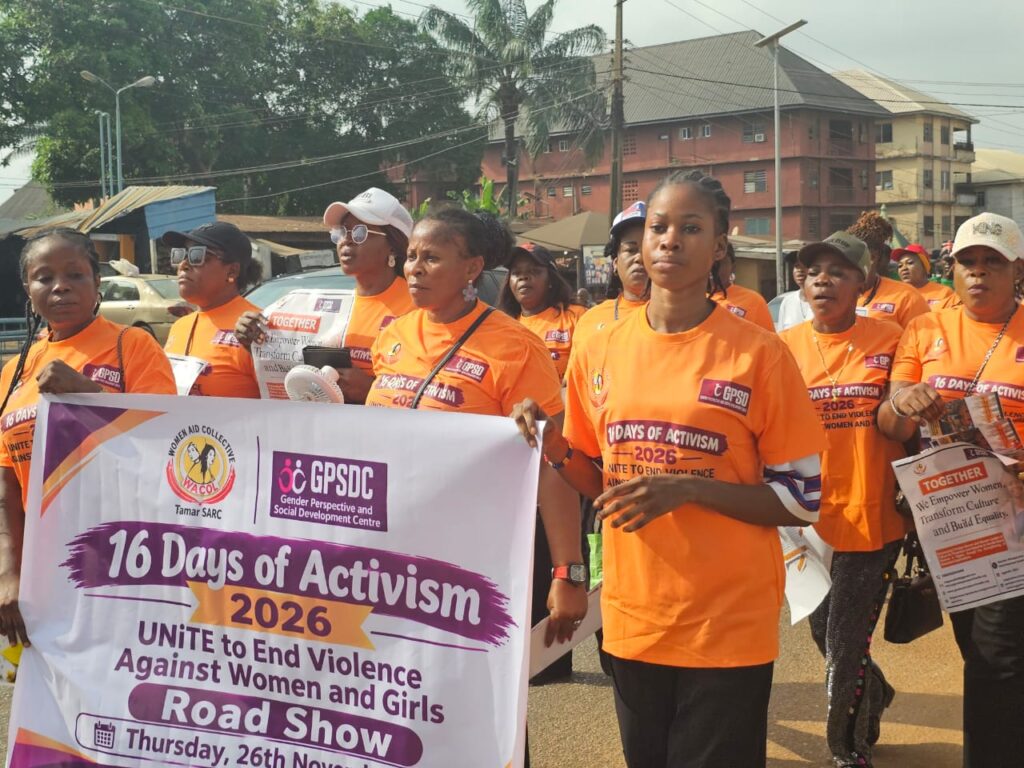
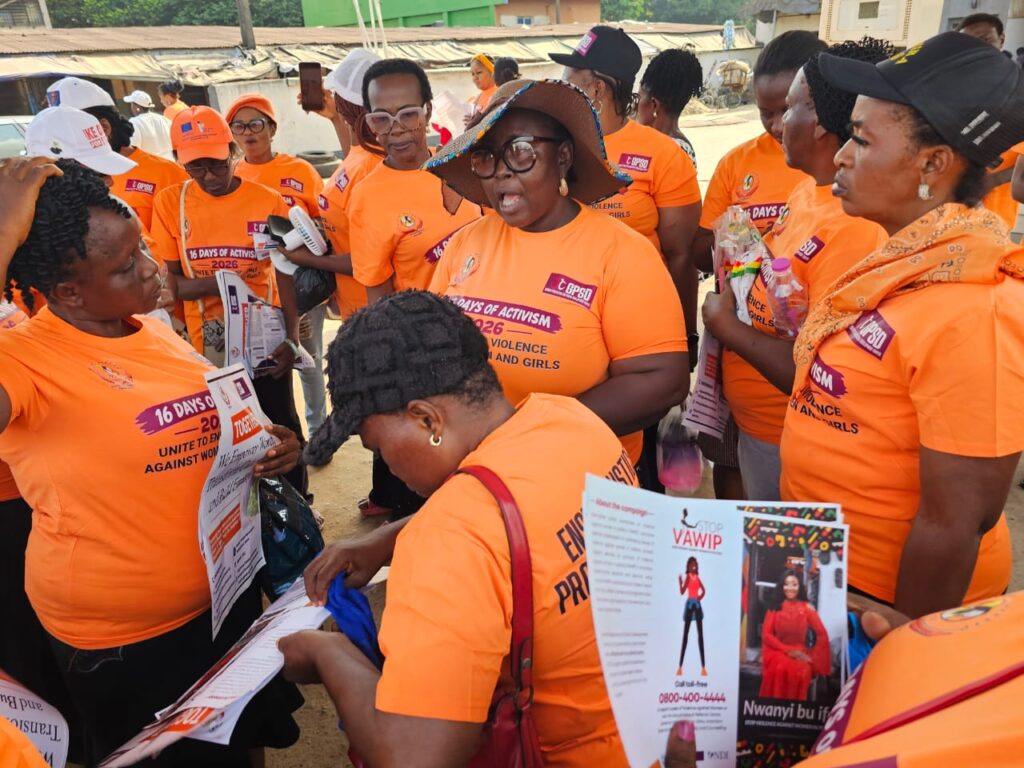
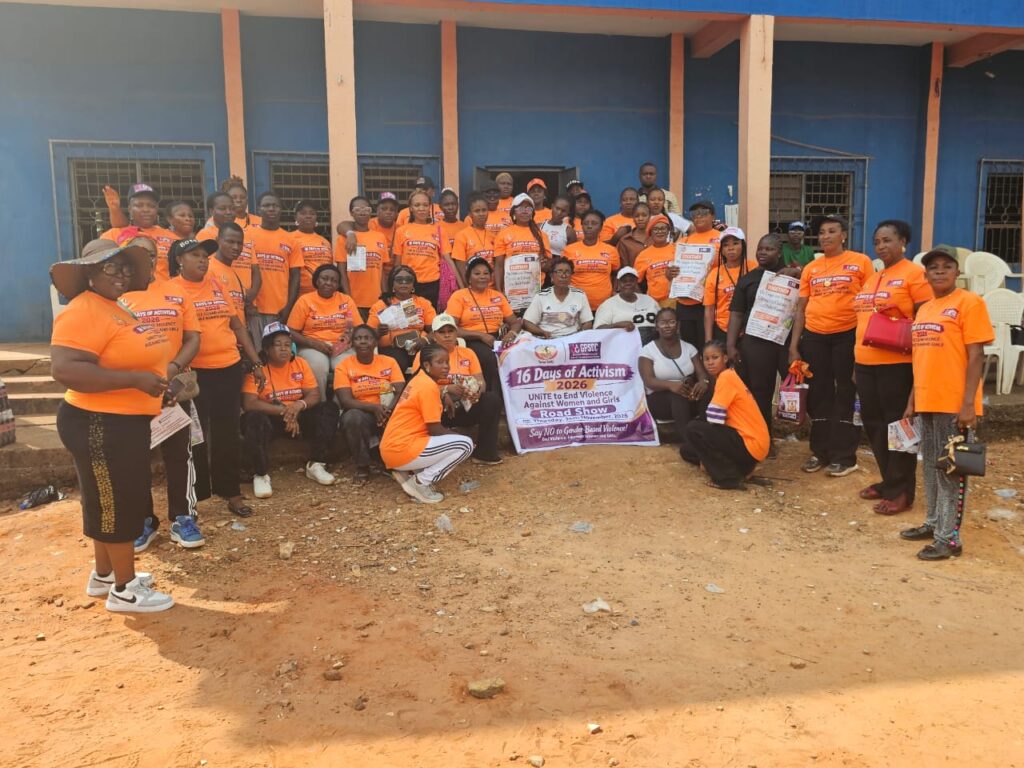
The fight against Gender-Based Violence (GBV) has received renewed attention in Nkpor, Idemili North Local Government Area of Anambra State, as the Gender Perspective and Social Development Centre (GPSDC), with support from WomenAid Collective (WACOL), took its awareness campaign to the community through a sensitisation road show.
The exercise, organised as part of activities marking the 2026 16 Days of Activism Against Gender-Based Violence, aimed to educate residents on the need to prevent, report and collectively confront all forms of violence against women and girls.
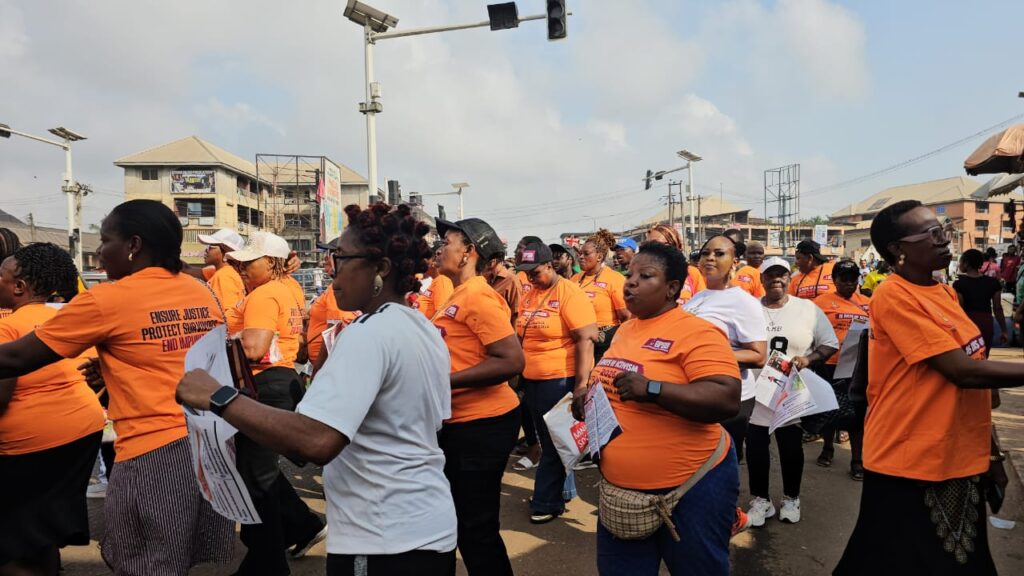
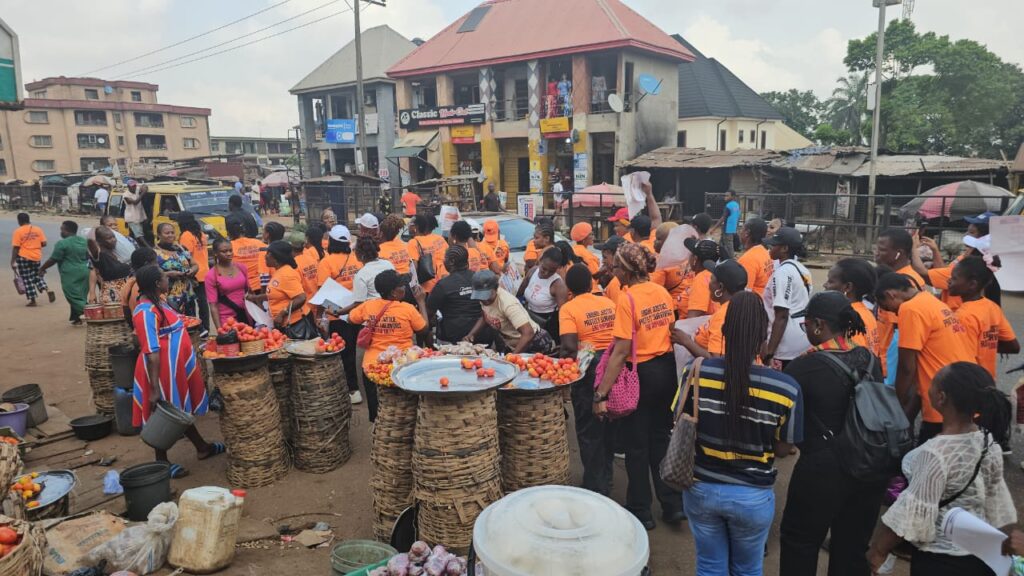
The road show commenced at Nkpor Junction, moved through Afor Nkpor Market and terminated at Ifeadigo Civic Centre, Nkpor-Agu. Women, traders, passersby and other community members were engaged on the dangers of GBV, while information fliers were distributed to reinforce the campaign’s message.
Speaking with journalists, the Executive Director of GPSDC, Mrs. Eucharia Anekwe, said the 2026 campaign, themed “Unite to End Violence Against Women and Girls,” was focused on securing justice for survivors, strengthening protection mechanisms and ending impunity for perpetrators.
Anekwe explained that the campaign commenced on November 26 with the Nkpor road show, one of the communities where the organisation operates, adding that similar sensitisation activities would be extended to other local government areas with the involvement of community leaders.
She identified harmful cultural practices, including abuses associated with widowhood, prolonged leadership tenures that encourage victimisation, and the sexual abuse of children by trusted relatives and neighbours, as critical issues requiring urgent intervention.
According to her, GPSDC prioritises prevention by addressing the cultural beliefs and social practices that create an environment for violence, while also supporting organisations involved in survivor response, referrals and access to justice.
“We are not waiting for violence to happen before taking action. Our focus is to prevent gender-based violence by changing harmful cultural norms and ensuring that women and girls can live without fear of abuse,” she said.
On women’s participation in politics, the GPSDC Executive Director expressed concern over the low representation of women in elective and appointive positions in Anambra State, despite their significant contribution to the voting population.
She observed that women’s political participation had declined over the past eight years, attributing the trend to electoral violence, hate speech, threats, assault and blackmail.
She further identified physical, sexual, psychological, economic and semiotic violence as forms of intimidation that discourage women from participating actively in political and public life.
Also speaking, a representative of Ntasi Sexual Assault Referral Centre (SARC), Mrs. Nkiru Nkalu, called for collective action to address the increasing concerns surrounding gender-based violence against women, children and other vulnerable groups.
Nkalu described the 16 Days of Activism as an important opportunity to educate communities about the different forms of violence, including rape, sexual abuse, emotional abuse, marital violence and discrimination against women in political spaces.
She stressed that tackling GBV required sustained awareness, community participation and effective support systems for survivors.
In her remarks, the Nkpor Community Women President, Hon. Chinelo Ikezue, said the road show was organised to sensitise indigenes, residents and passersby on the need to work collectively towards eliminating GBV in Nkpor, Idemili North and Anambra State at large.
She urged survivors and witnesses of abuse to report cases of rape, domestic violence and online harassment through the toll-free number 08004004444, assuring residents that reported cases would receive the necessary attention.
Ikezue noted that the community had recorded improvements in responding to reported cases through appropriate sanctions against perpetrators and referrals to relevant authorities, including GPSDC and gender officers in Awka.
She also encouraged residents to embrace peaceful coexistence and refrain from intimidating, assaulting or abusing others.
While acknowledging that men could also experience gender-based violence, she maintained that women and girls remained disproportionately affected. She particularly warned against domestic violence, the molestation of domestic workers and rape, stressing that offenders would face prosecution under the Violence Against Persons Prohibition (VAPP) Law.
Similarly, the Gender Programme Officer of the Anambra State Ministry of Health, Mrs. Chioma Offor, said the campaign recognised that men and boys could also be victims of violence, although women and girls remained more vulnerable.
Offor explained that the ministry was promoting access to healthcare, particularly sexual and reproductive health services for adolescent boys and girls, through integrated service delivery in health centres.
She also noted that women could access antenatal care without necessarily obtaining permission from their husbands, describing the development as part of efforts to improve women’s access to essential healthcare services.
According to her, activities lined up for the campaign included visits to hospitals during antenatal care and immunisation sessions to educate women, the provision of counselling services and referrals to civil society organisations for further intervention.
She emphasised the importance of equitable access to healthcare and sustained community engagement in addressing violence against women, girls, boys and men.
The 16 Days of Activism Against Gender-Based Violence is a global campaign observed annually from November 25 to December 10. It seeks to raise awareness, mobilise communities and advocate policies and actions aimed at preventing and eliminating all forms of gender-based violence.
#