

News
Ex-Anambra Commissioner Calls for Stronger Grassroots Mobilisation, Electoral Participation


By Olisemeka Obeche
Former Anambra State Commissioner for Local Government, Chieftaincy and Community Affairs, Chief Tony Collins Nwabunwanne, has called for stronger grassroots mobilisation to increase citizens’ participation in civic and political activities, saying poor electoral participation remains a major obstacle to development in Anambra West.
Nwabunwanne, popularly known as “Ife Anam” (Anam Light), made the call in Awka while speaking at the maiden lecture series of the Anam People’s Assembly (APA).
He was responding to concerns over alleged marginalisation in the distribution of democratic dividends by successive administrations. According to him, the problem cannot be addressed solely by blaming government, as inadequate participation by rural residents and indigenes in the diaspora has weakened the area’s political influence.
Nwabunwanne noted that Anam and Anambra West have produced several political appointees and elected officials over the past four decades, including commissioners and a former deputy governor, yet the area has continued to lag in infrastructure and other development indicators.
He attributed the situation partly to a disconnect between ordinary citizens and those occupying or having access to political positions.

“God has actually helped Anam and Anambra West politically, but the question remains: do we exploit the opportunities that come with having access to political positions?” he asked.
“We have had a Deputy Governor of Anambra State, Commissioners for Power and Utilities, Finance, Technology, Agriculture, Commerce and Industry, Local Government, Lands, Youth and Education, as well as the Attorney-General of the state, among others.
“What remains may be the Commissioner for Health and the governorship. One day, our people will also occupy that seat because we have competent people who can get there.”


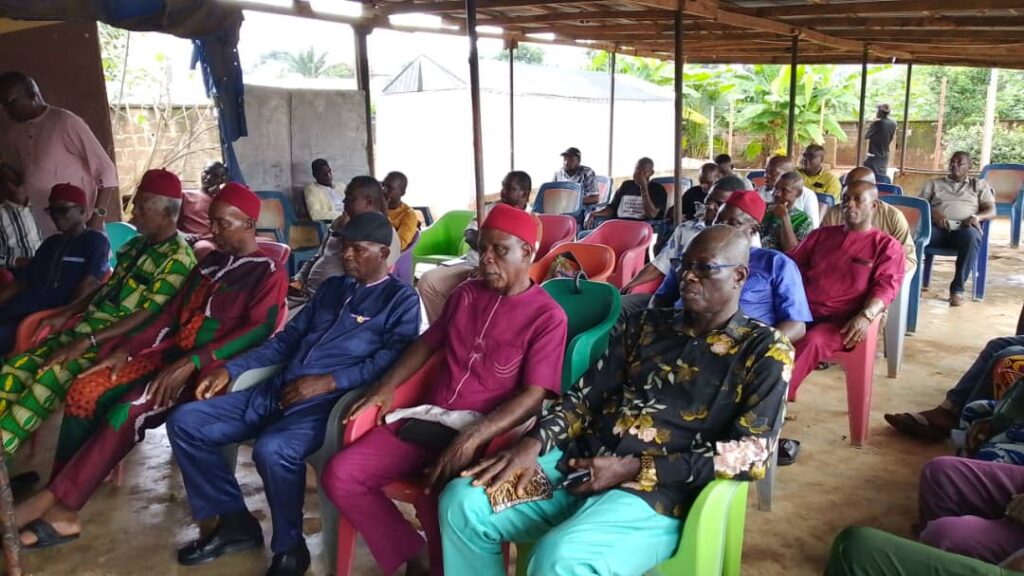
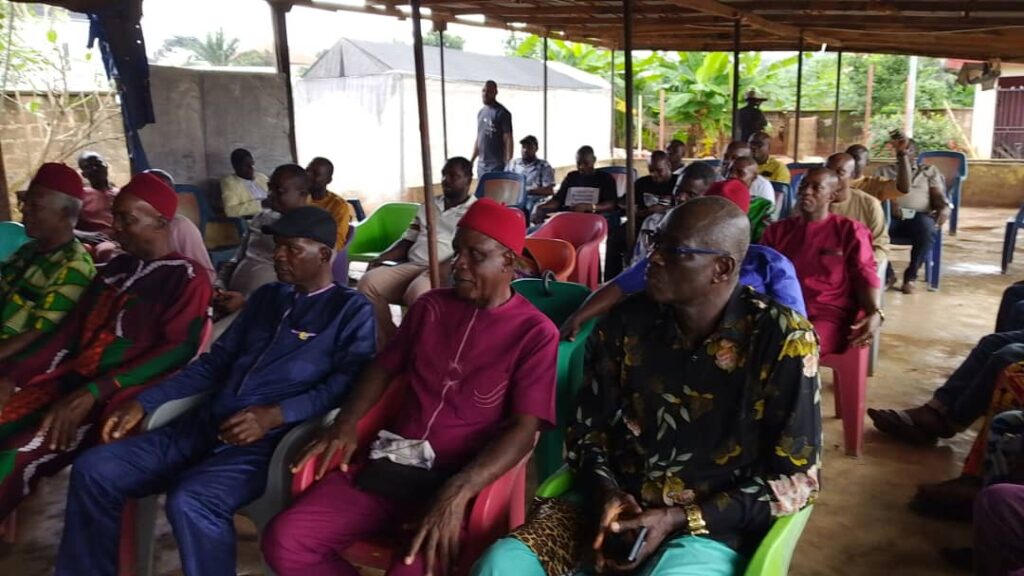
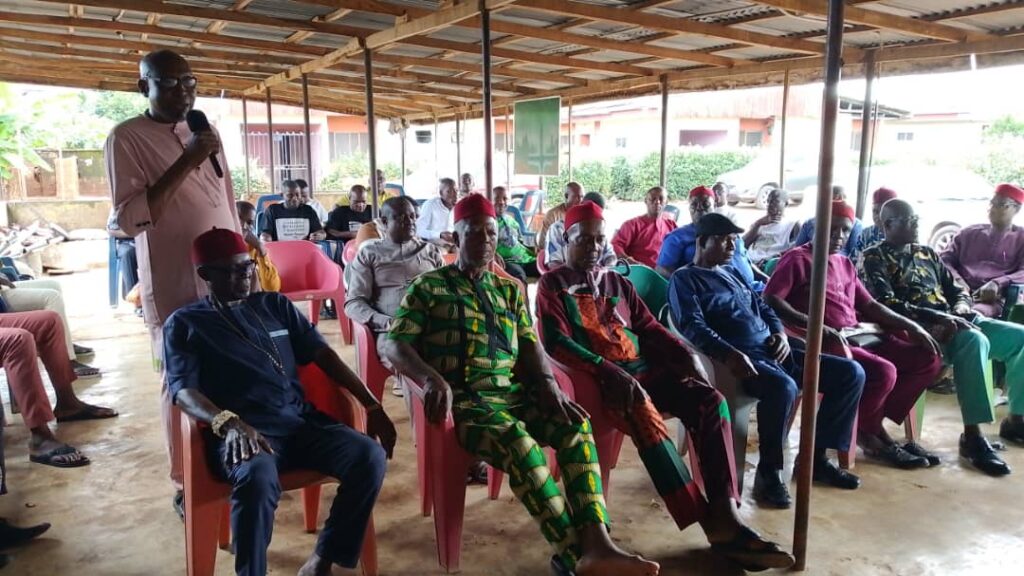
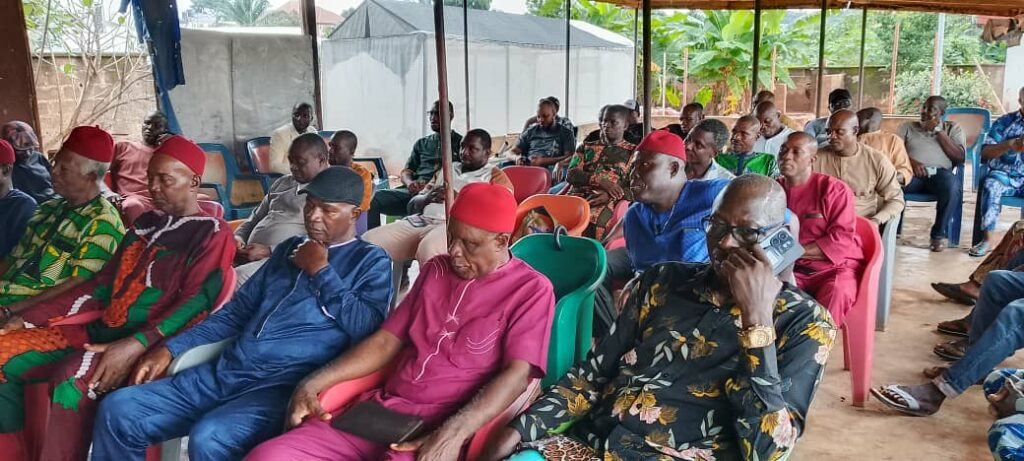
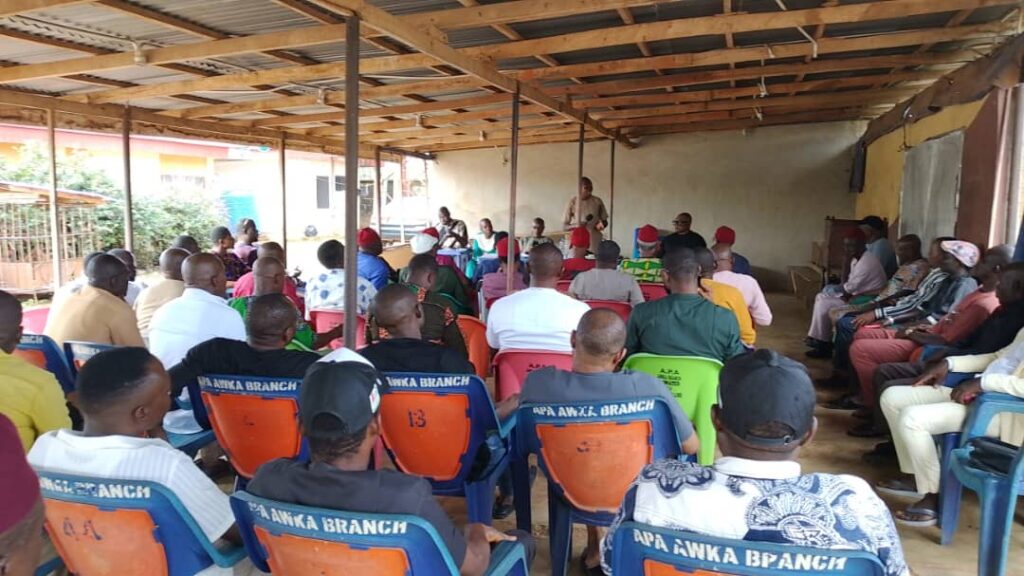
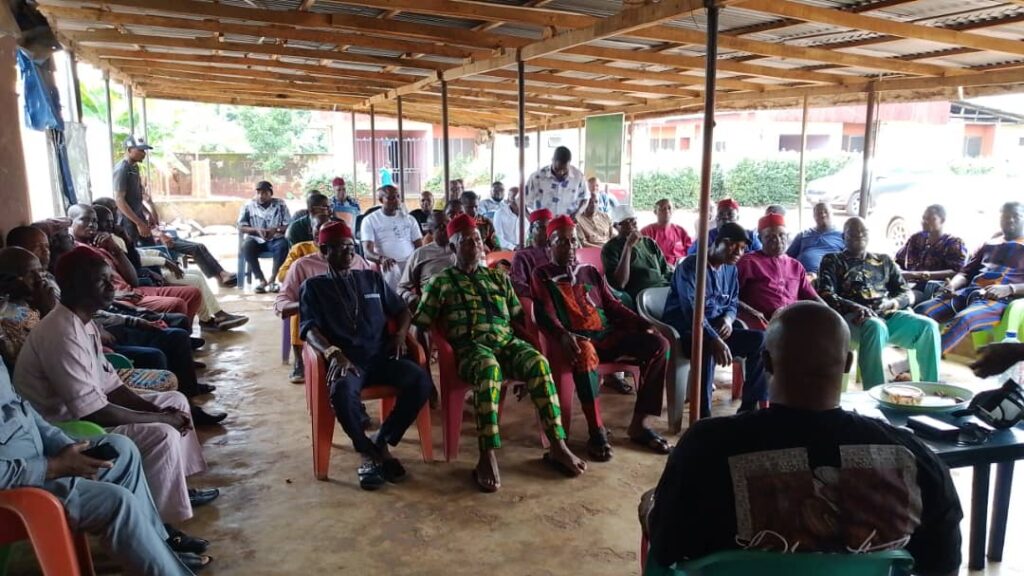
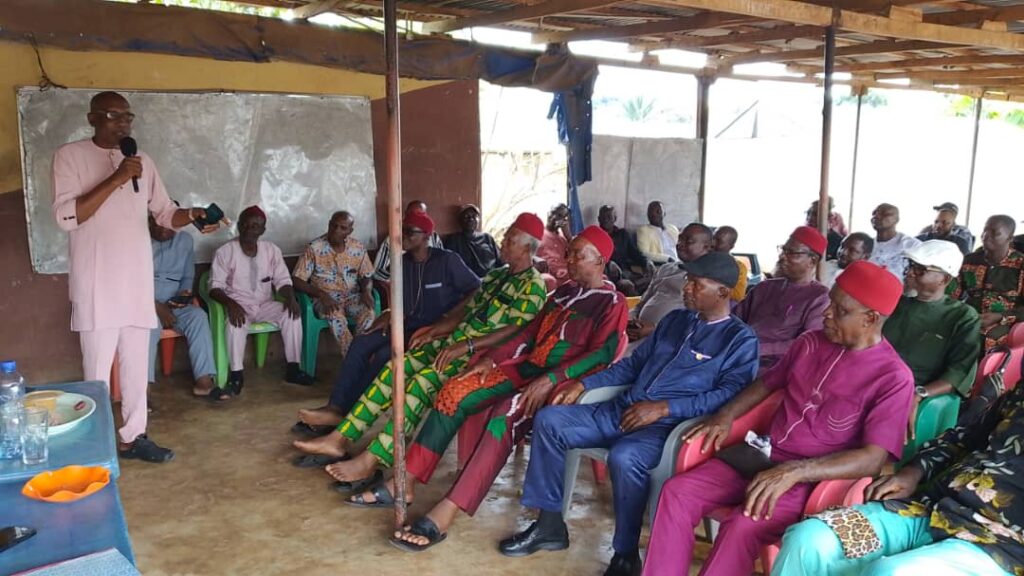
The former commissioner, however, urged political office holders from the area to use their positions to advance the interests of their constituents, stressing that no individual could meet every expectation but could still make meaningful contributions within their capacity.
“What we should be praying for is that whoever has that opportunity will be touched to do the best for our people,” he said. “It is not possible for one person to deliver on the expectations of the entire Ndi Anambra West, but do the ones you know are possible and best for them. That is what is important.”
Nwabunwanne also challenged the people of Anambra West to develop a culture of supporting their representatives in government irrespective of political affiliation.
According to him, political rivalry and factionalism often lead constituents to undermine their own people in government, thereby weakening their ability to attract development to the area.
“What we need to do is encourage our political office holders. I can tell you that our people do not encourage those in key government positions. Instead, they are ready to undermine the person or plot for his downfall,” he said.
“They look for excuses for not being in the same party or political camp. That is the problem we have. We should encourage our people in political offices irrespective of party or political divisions.
“We need to support whoever is in a top government position because whatever he or she attracts is coming home to Anambra West. Naturally, if you wish your brother, relation or friend well, nature has a way of uplifting you.”
He further called for stronger collaboration between community leaders, stakeholders and the leadership of the APA to identify development priorities and present them to the appropriate authorities.
Nwabunwanne particularly urged residents to take personal responsibility for increasing voter participation, proposing that each citizen should mobilise at least 10 eligible voters to register and participate in elections.
“We should all take it as a personal project to convince at least 10 people from our communities to get their PVCs and participate in elections,” he said. “It will go a long way towards increasing our voting strength.
“We need to stop being ranked last in every election cycle simply because our people do not come out to vote.”
He also proposed that every community should make it a priority for residents aged 18 and above to obtain their Permanent Voter Cards (PVCs), while community leaders and stakeholders should support voter registration exercises through effective mobilisation of people and resources.
According to him, stronger electoral participation would give the people greater leverage in demanding government attention to their needs.
“What is important is that our people get registered, have their PVCs and use them to vote during elections,” he said. “It is not enough to say that your area is being marginalised by government when you are not even performing your civic duty during elections.
“Our people must understand that they have to offer that voting value for them to be remembered and for their needs to receive attention.”

The former commissioner also urged Anam indigenes in the diaspora, as well as those living and doing business in other parts of Nigeria, to contribute more actively to the development of their communities.
He observed that communities across Anambra State have benefited from the contributions of their illustrious sons and daughters, who have financed infrastructure projects, provided basic amenities and supported community development initiatives.
“We cannot leave everything to government,” he said. “In other communities across Anambra, illustrious citizens construct or rehabilitate access roads and provide other basic amenities for their people. They also contribute funds to support elections, knowing fully well that such investments can help when their representatives gain access to power.
“We need to change that culture if we are serious about addressing the issue of political marginalisation.”
The Chairman of the Lecture Committee and programme anchor, Mr Gabriel Ekwealor, and other participants who spoke at the event also emphasised the need for Ndi Anam to work collectively towards implementing the recommendations made by the former commissioner.
They stressed that sustained community mobilisation, political participation and collective investment would be critical to improving the development prospects and political influence of Anambra West.