News
Poor Awareness Fueling Rise of Baby Factories in Imo, Says NAPTIP

By Praise Chinecherem
The National Agency for the Prohibition of Trafficking in Persons (NAPTIP) has blamed the rising incidence of baby factory operations and human trafficking in Imo State on poor public awareness, warning that ignorance continues to leave many families vulnerable to criminal syndicates.
The agency said traffickers are increasingly exploiting unsuspecting parents and young people through fake orphanages, fraudulent adoption schemes, bogus job offers and false promises of better opportunities.
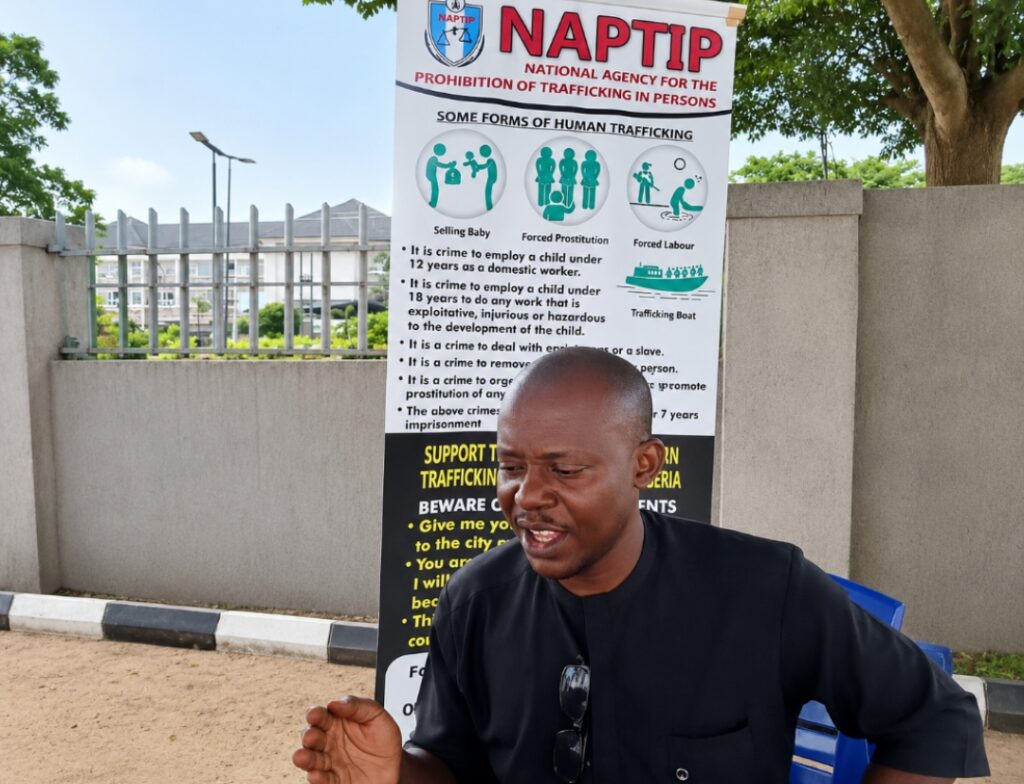
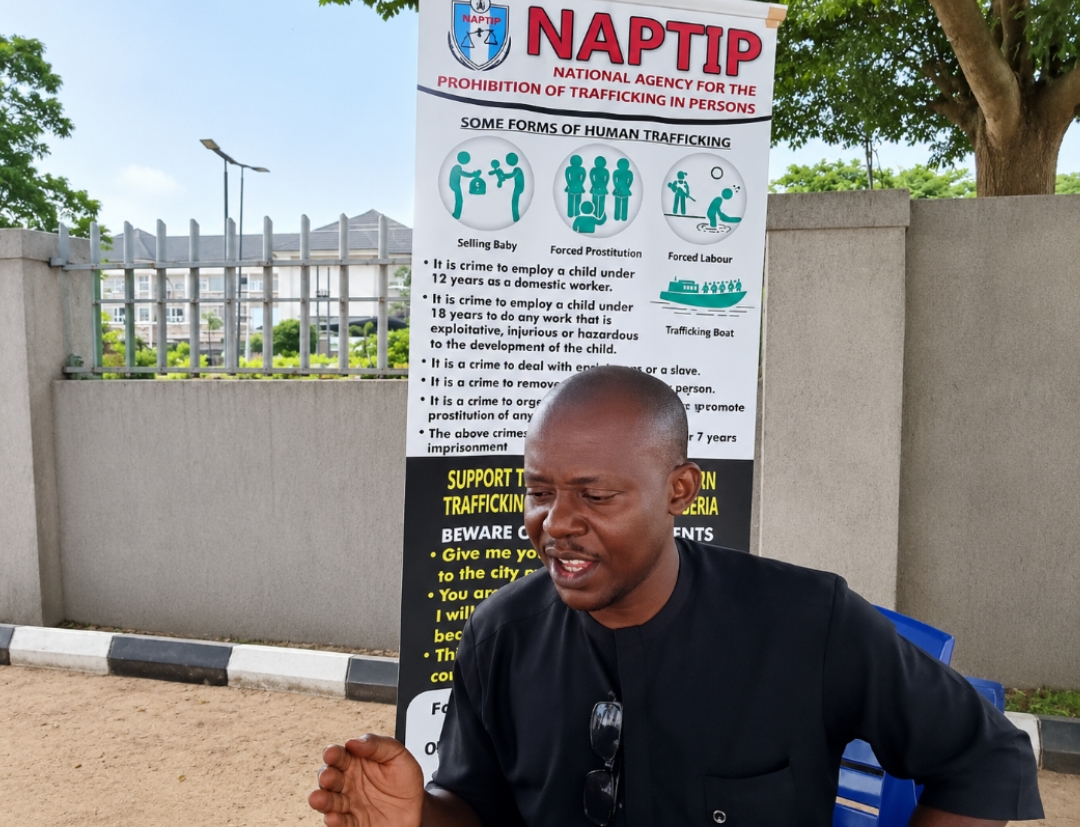
Speaking in an interview, the Imo State Commander of NAPTIP, Mr. Toochukwu Ezejiegu, described the growing number of baby factory cases as one of the agency’s most pressing concerns in the state.
“Human trafficking, especially orphanage trafficking, popularly known as baby factories, is on the high side in Imo State. Apart from that, we are also dealing with other forms of trafficking, including the exploitation of persons for prostitution,” Ezejiegu said.
According to him, Imo has become a major source state for human trafficking, with victims recruited within the state before being moved to destinations across Nigeria and abroad.
“When it comes to orphanage trafficking, Imo is not just a transit point—it is where the crime originates before victims are taken to different destinations. In many other forms of trafficking, the state remains a source rather than the final destination.”
Ezejiegu attributed the trend largely to inadequate public awareness, noting that many residents remain unaware of the sophisticated tactics employed by traffickers.
He explained that criminal networks often prey on vulnerable families by disguising their operations as legitimate orphanages, adoption centres, employment agencies or travel opportunities, making it easier to lure victims into exploitation.
To curb the menace, the NAPTIP commander said the agency has intensified public sensitisation campaigns across communities, schools and other public spaces to educate residents on the dangers of illegal adoption, baby factories and other trafficking-related crimes.
“Awareness is one of our strongest weapons. The more informed people are, the harder it becomes for traffickers to deceive them,” he said.
Ezejiegu also disclosed that NAPTIP is partnering with the Imo State Government to establish a State Task Force on Human Trafficking aimed at strengthening coordinated efforts against the crime.
According to him, the state’s Commissioner for Justice has agreed to co-chair the proposed task force alongside NAPTIP, while the Ministries of Women Affairs and Education have continued to support the agency’s interventions.
Despite the progress, the commander appealed for increased support from the state government, citing inadequate funding, shortage of operational vehicles and poor office accommodation as major constraints to effective operations.
“We need operational vehicles, better office accommodation and increased funding. While the Federal Government has been supportive, it is not enough. Since we are protecting the people of Imo State—especially children who are victims of trafficking—the state government should help bridge the gaps.”
He expressed optimism that sustained public enlightenment, stronger inter-agency collaboration and active community participation would significantly reduce the prevalence of baby factories and other forms of human trafficking across the state.