News
Group Renews Call for Gender Gap Closure in Southeast Leadership Positions

By Praise Chinecherem
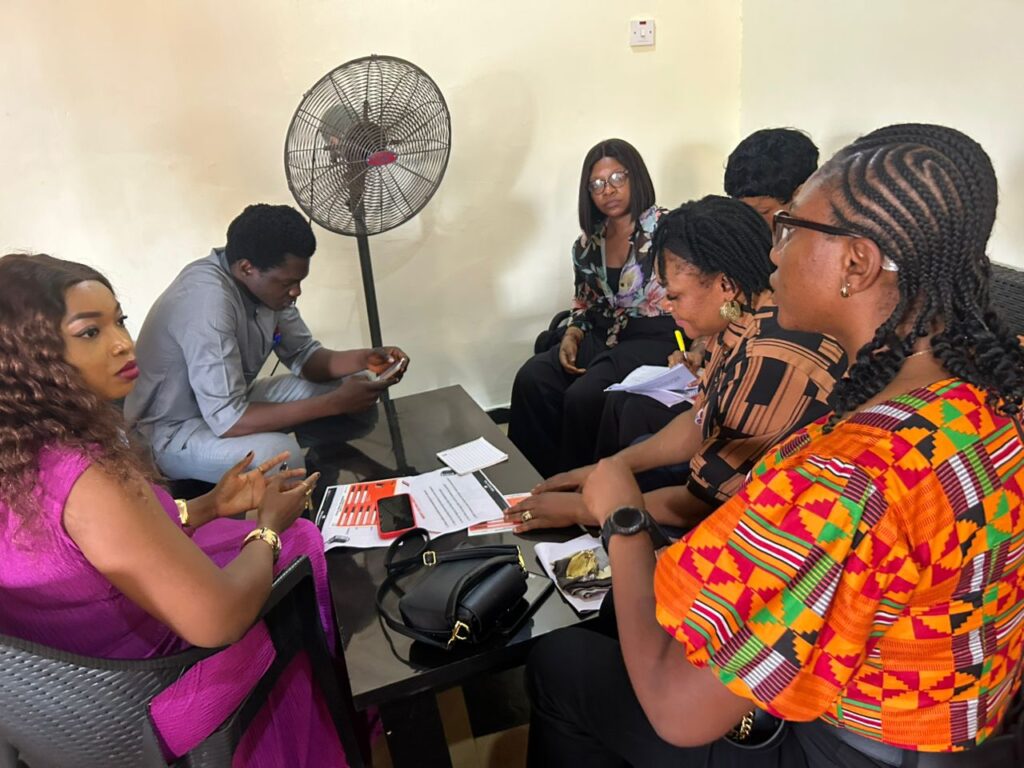
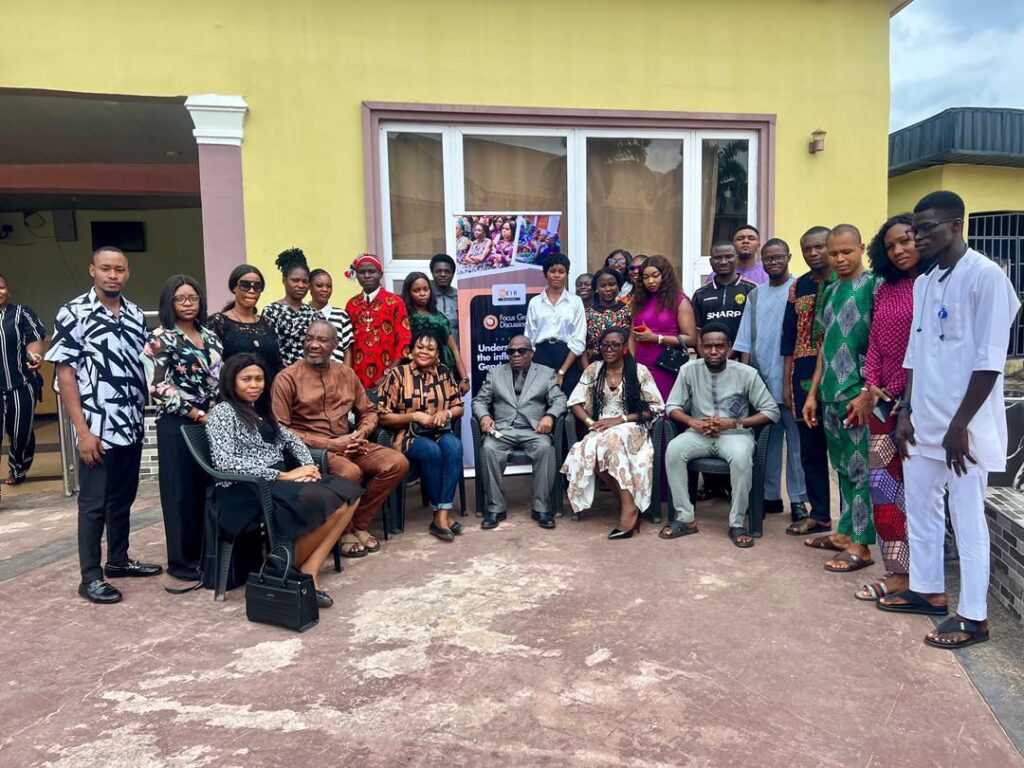
A civil society organisation, Heir Women Hub has renewed calls for deliberate efforts to close the gender gap in leadership, following a Focus Group Discussion (FGD) held on March 26, 2026.
The discussion, themed “Understanding the Influence of Gender Norms on Women’s Leadership in the South-East Geo-Political Zone of Nigeria,” convened stakeholders to interrogate the deep-rooted cultural, social, and institutional barriers affecting women’s leadership participation in the region.
Delivering an overview of the situation, the Executive Director of the organisation, Añuli Aniebo, described women’s representation in political leadership as critically low.
She noted that at the national level, women account for just 3.7 percent of the Senate and 4.4 percent of the House of Representatives- only 20 out of 469 members of the National Assembly.
The trend, she said, is reflected across the South-East states, Ebonyi State, Enugu State, Anambra State, Abia State, and Imo State, where only five women currently serve in State Houses of Assembly. Abia and Imo states, in particular, have no female legislators.
In the executive arm, representation remains limited, with only two female deputy governors in the region, Chinyere Ekomaru and Patricia Obila.
Insights from the group discussions pointed to multiple layers of challenges confronting women.
Participants observed that women often face heightened scrutiny both in professional spaces and within family, religious, and community settings, which restricts their ability to fully demonstrate competence and advance into leadership roles.
They further noted that entrenched gender roles, particularly expectations that women should primarily serve as caregivers and homemakers, continue to discourage active engagement in leadership.
According to participants, these pressures erode women’s confidence and limit their aspirations.
The discussions also highlighted structural barriers such as limited access to education, financial constraints, and enduring cultural norms. While acknowledging gradual progress, participants stressed that historical inequalities still shape present realities.
On perceptions, contributors said women in leadership are frequently subjected to stereotypes, criticism, and social pressures, including discrimination and conflicts within personal relationships.
Religious and cultural influences were also identified as key factors, with some participants noting that certain interpretations reinforce male dominance and undermine support for women seeking leadership positions.
Despite these challenges, the FGD underscored education as a critical tool for empowerment. Participants agreed that education enhances women’s capacity to make informed decisions, advocate for their rights, and contribute effectively to governance and community development.
Reinforcing its position, Heir Women Hub emphasized that inclusive leadership is vital for balanced policymaking, improved social outcomes, and sustainable democratic growth.
The organisation called for targeted support for women candidates, inclusive political reforms, increased investment in leadership development, and sustained advocacy to advance gender equity in governance.
The session ended with a collective call for government, civil society, and community stakeholders to intensify efforts toward improving women’s representation in leadership across the South-East and Nigeria as a whole.