News
Optometrists offer Free Eye Care to 500 Residents in Anambra Community, Warn Against Self-Medication

By Uzo Ugwunze
The Nigerian Optometric Association (NOA), Anambra State Chapter, has taken free eye care services to Achina community in Aguata Local Government Area, targeting about 500 residents in a campaign to prevent avoidable blindness and promote healthy vision.
The outreach, held on September 9, 2026, featured free eye screening, treatment, medication and spectacles as part of activities marking World Sight Day 2026, under the global theme, “Love Your Eyes. Every Story Counts.”
Leading the exercise, the Chairman of the NOA Anambra State Chapter, Dr. Chiamaka Mba, said the decision to take the campaign to Achina was aimed at reaching underserved communities where access to professional eye care remains limited.
“We came all the way to Achina because we want to reach people in the interior communities. While many residents in urban areas have better access to eye care services, people in rural communities often face barriers to accessing professional attention,” she said.
Dr. Mba explained that the outreach formed part of a series of activities organised by the association to raise public awareness about eye health and prevent avoidable visual impairment.
According to her, the programme began earlier in the week with radio and television sensitisation campaigns through which members educated residents on healthy eye care practices and the dangers of harmful remedies.

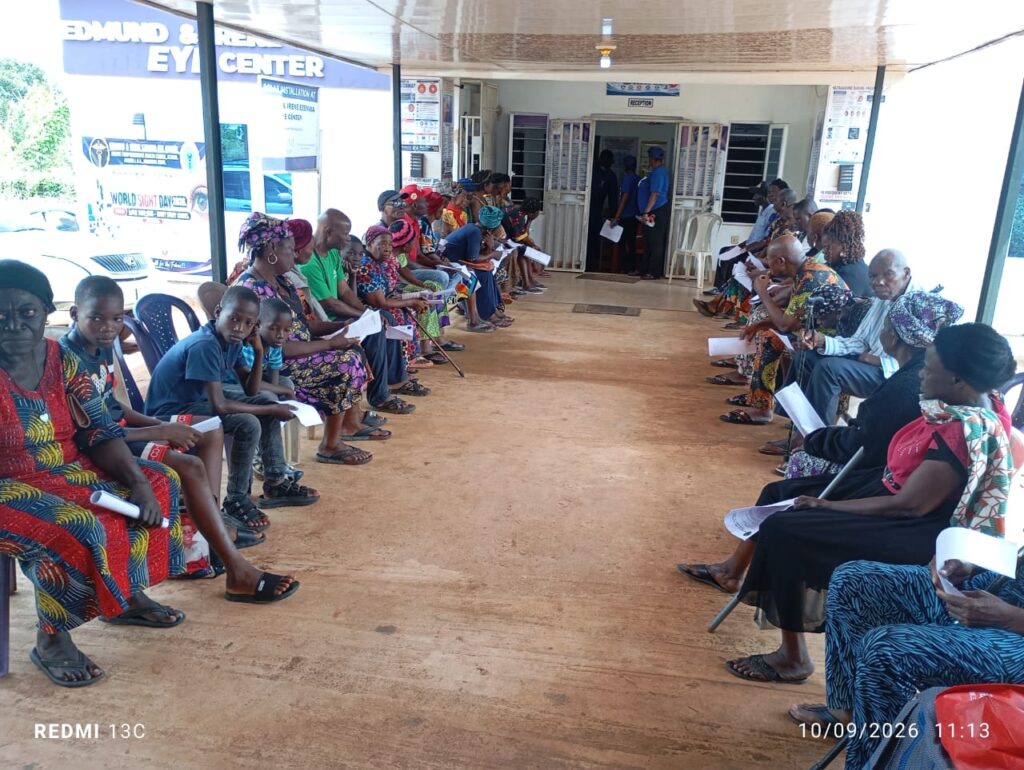
The association also organised a Walk for Sight on Thursday before deploying its clinical team to Achina for the grand finale, where residents received free eye care services.
At the outreach venue, beneficiaries underwent several examinations, including blood pressure checks, intraocular pressure measurements and visual acuity tests.
With eight optometrists participating in the exercise, the association set a target of attending to approximately 500 residents.
Dr. Mba disclosed that adults requiring near-vision correction were provided with reading glasses, while children received appropriate assessments to determine their eye care needs, including special provisions and referrals where necessary.
She added that the association had established a referral and follow-up process for patients whose conditions required further investigation or specialised treatment beyond the scope of the outreach.

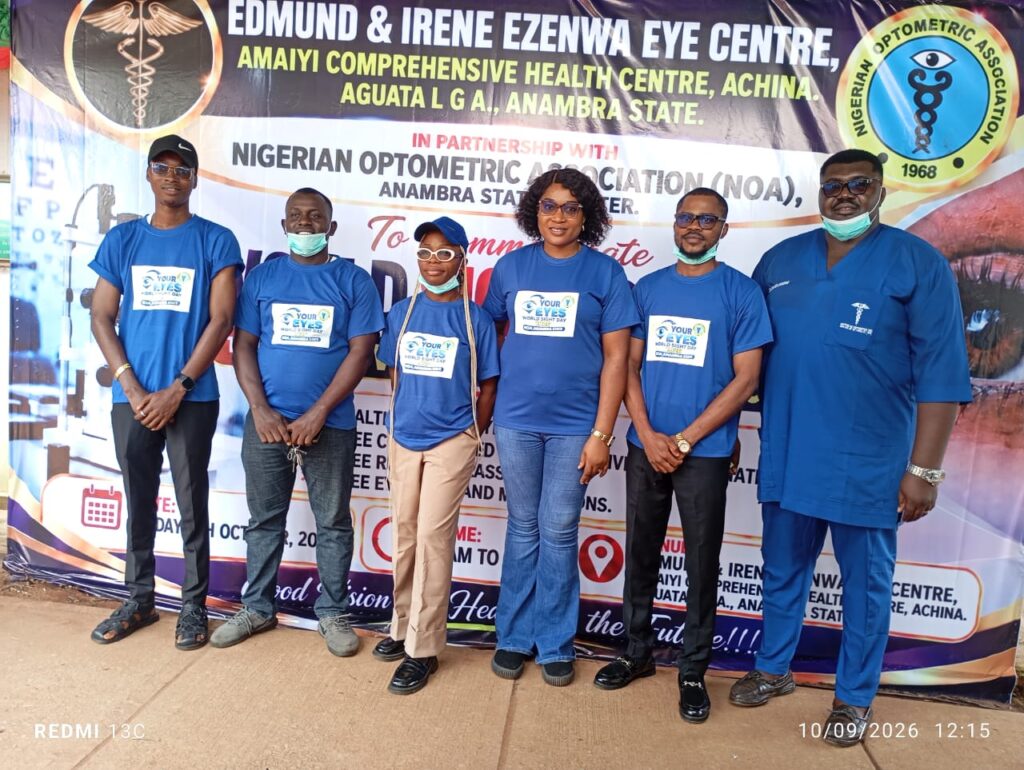

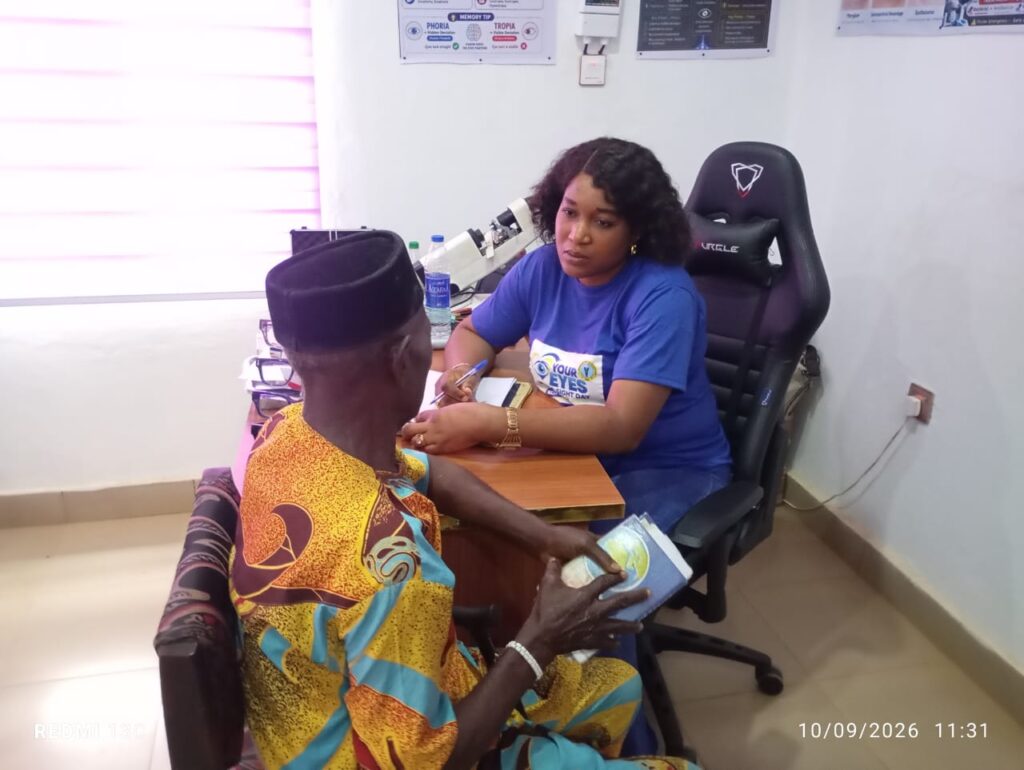
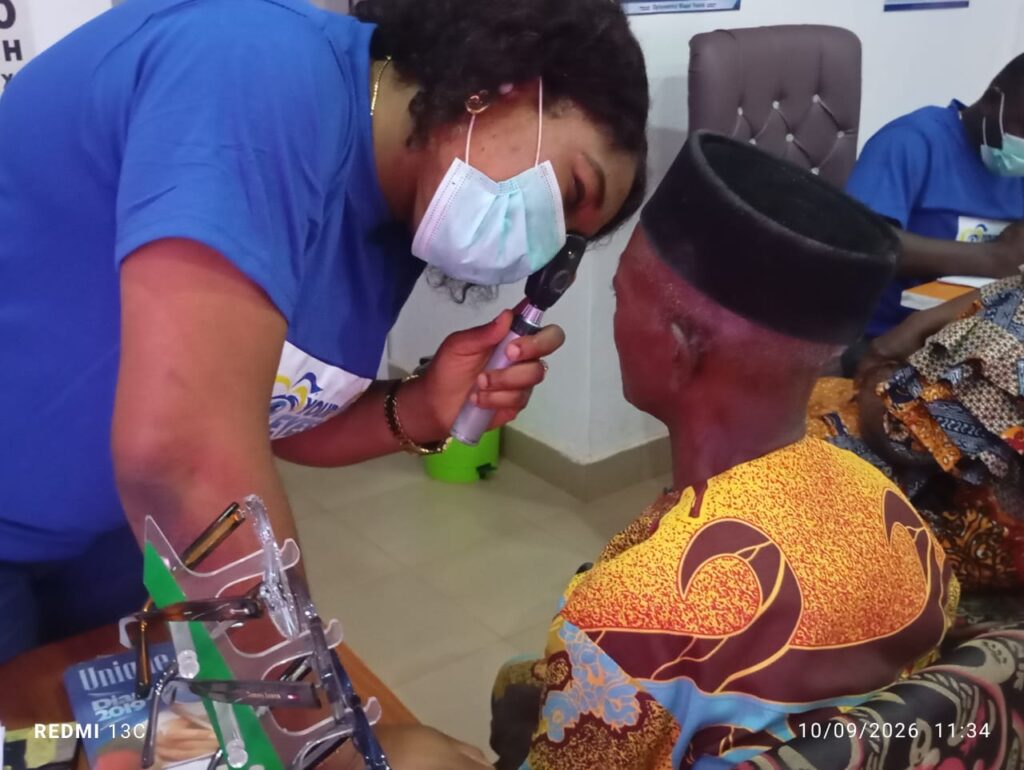
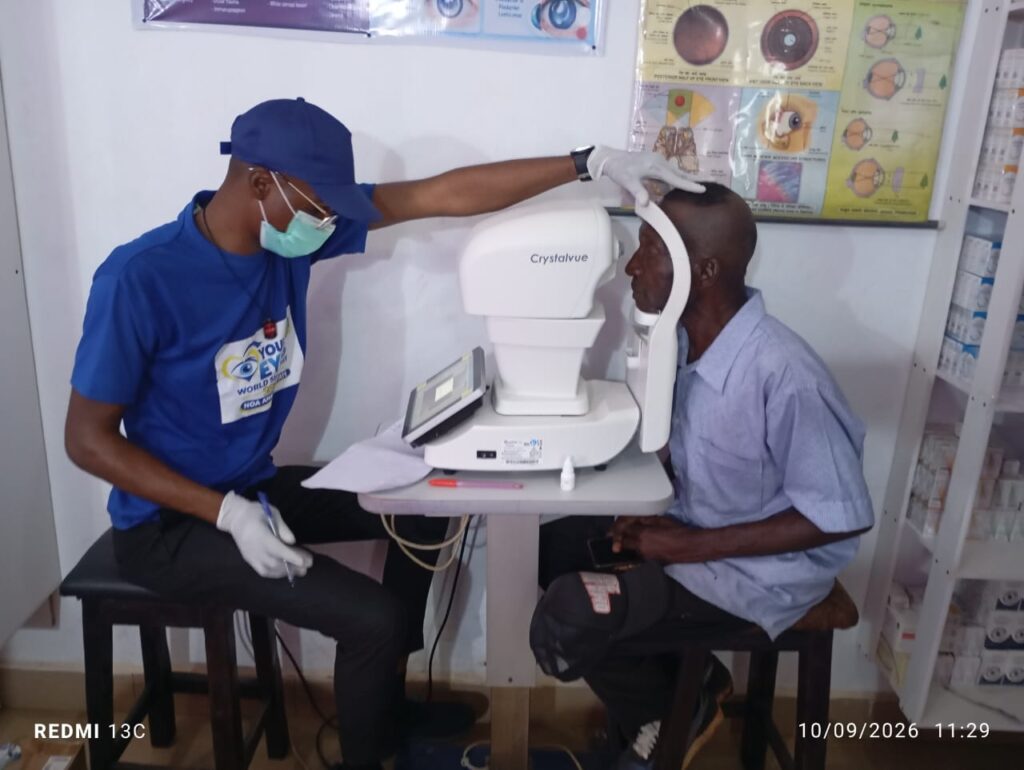
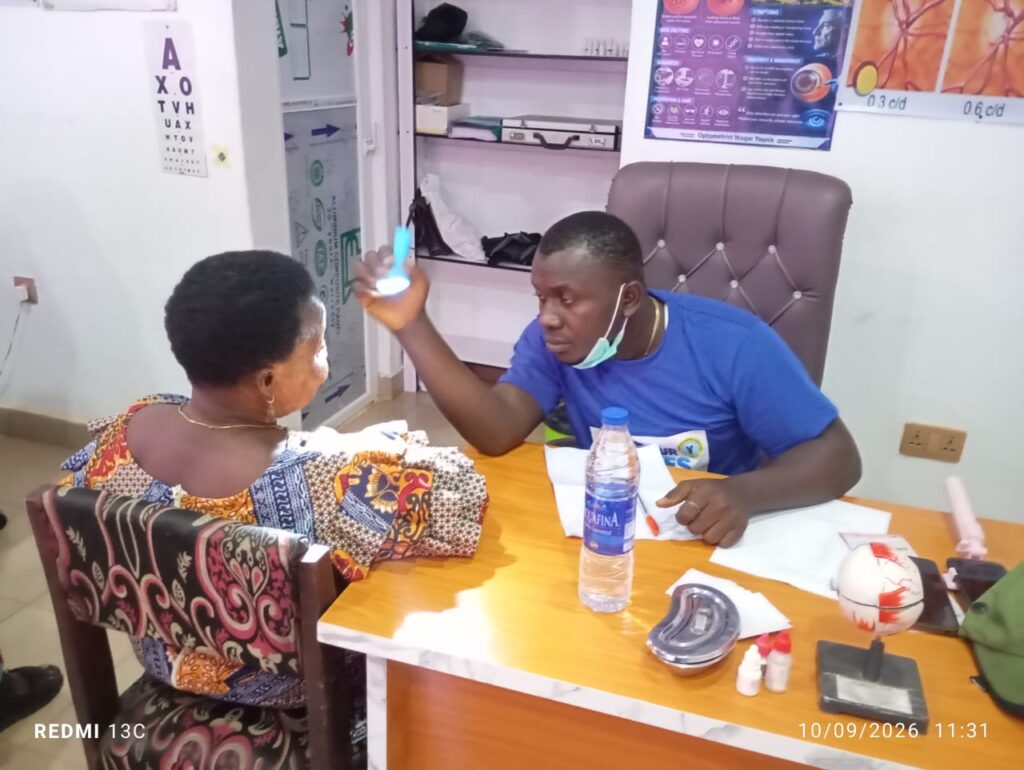

Patients diagnosed with cataracts and other conditions requiring surgery were registered and scheduled for procedures on designated surgical days, as such operations could not be performed during the field exercise.
Optometrists Warn Against Dangerous Eye Remedies
The NOA chairman used the occasion to warn residents against the use of harmful traditional substances, including urine, breast milk and fermented cassava water, as remedies for eye problems.
She explained that introducing unsterile substances into the eyes could expose them to harmful microorganisms, cause serious infections and potentially result in permanent vision loss.
“People should never put urine, breast milk or fermented cassava water into their eyes. These substances are not approved eye medications, and using them can cause serious complications that may threaten a person’s sight,” she cautioned.
Dr. Mba urged residents experiencing eye problems to seek professional attention at registered eye care facilities rather than resorting to self-medication or consulting unqualified practitioners.
She also advised patients to follow prescribed treatment instructions and avoid stopping their medication midway without consulting their healthcare provider, warning that improper treatment could worsen some eye conditions.
The optometrist emphasised the importance of consulting qualified professionals, noting that optometrists undergo extensive professional training to acquire the skills required to examine eyes, identify visual problems and manage appropriate eye conditions.
Urges Residents to Prioritise Regular Eye Examinations
Beyond treatment, Dr. Mba stressed that routine eye examinations were essential for the early detection of conditions that could lead to serious visual impairment if left unmanaged.
She advised parents to ensure that children undergo eye examinations before starting school, while encouraging teenagers, young adults and older residents to seek regular professional checks based on their age, medical history and individual risk factors.
She further urged people living with hypertension or diabetes, as well as those with a family history of glaucoma, to discuss appropriate examination schedules with their eye care professionals.
According to her, people with a family history of glaucoma may require more frequent assessments because of their increased risk of developing the condition.
Dr. Mba also addressed concerns about the cost of eye care, urging Ndi Anambra to take advantage of available services at general hospitals across the state, where optometrists are posted.
“People should not wait until they begin to lose their sight before seeking help. The cost of preventive eye care is worth considering against the consequences of untreated eye conditions and avoidable blindness,” she said.
She advised residents who spend long hours using mobile phones and laptops, as well as those frequently exposed to intense sunlight, to seek professional advice on appropriate eye protection rather than rely on unverified products or remedies.
The NOA chairman also encouraged residents to understand their family medical histories and embrace regular eye examinations as part of their routine healthcare practices.
She called on the public to take ownership of their eye health by seeking timely professional attention, following prescribed treatments and avoiding practices that could compromise their vision.
The Achina outreach reinforced the Nigerian Optometric Association’s commitment to expanding access to eye care, particularly among underserved populations, while promoting early detection, appropriate treatment and public education as critical measures in preventing avoidable blindness.
#