

News
Anambra Secures 56 Plots for National Yam Festival Cultural Village

By Mary Obi
A major step has been taken toward transforming Anambra’s yam heritage into a world-class tourism attraction, following the donation of 56 plots of land by the Igboukwu community for the proposed National Yam Festival Cultural Village.
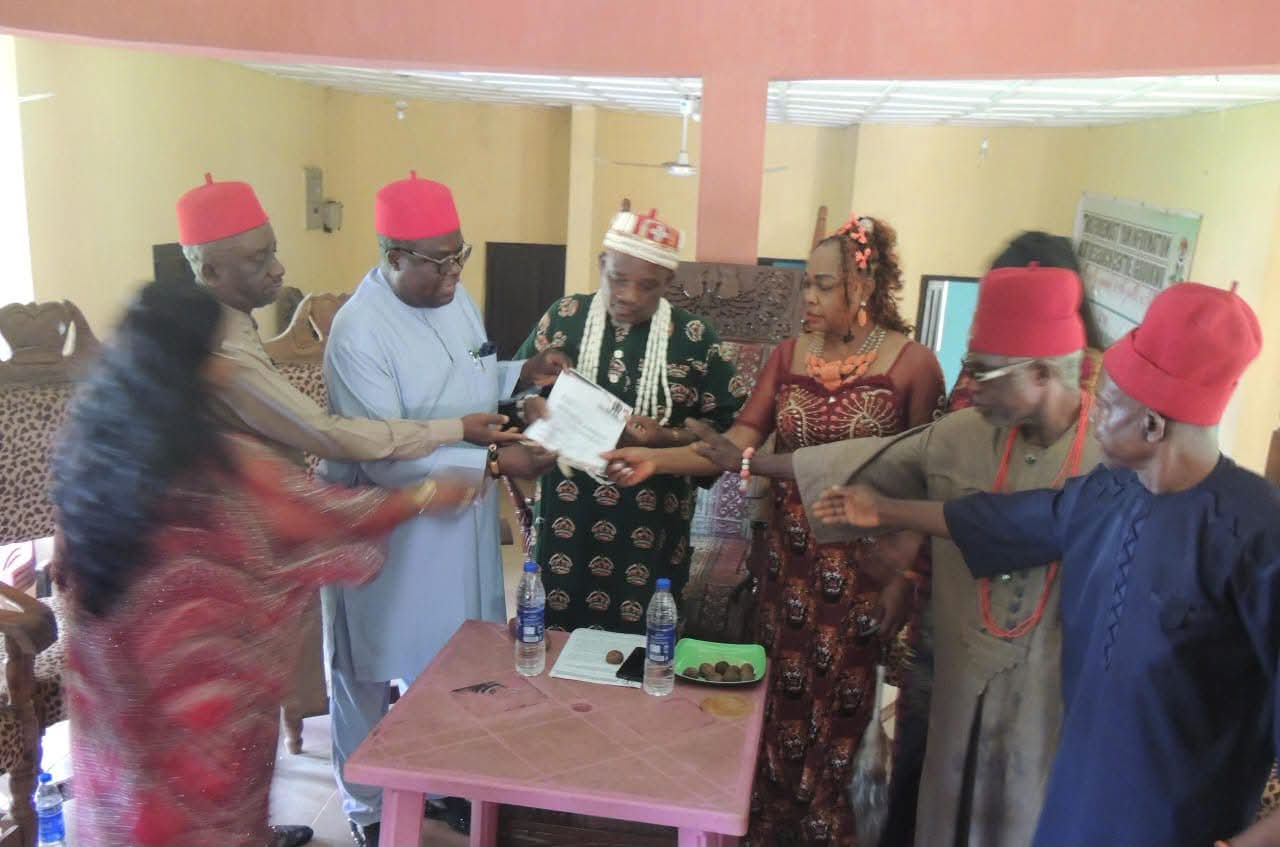
The land, located at Etiti Village in Igboukwu, Aguata Local Government Area, was formally handed over to the Anambra State Government during a ceremony attended by government officials, traditional rulers and stakeholders in culture, tourism and agriculture.
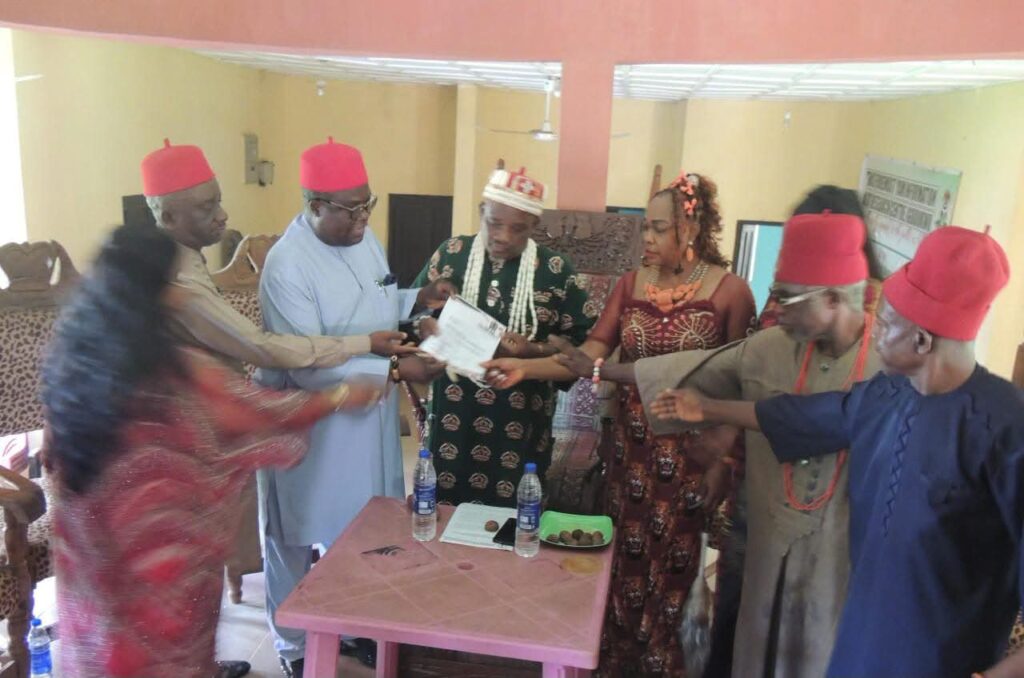
The President-General of Igboukwu, Barrister Michael Ubah, and the traditional ruler of the community, Igwe Alex Azike, presented the title documents for the land to the state government.
Receiving the documents on behalf of the government, the Director of Tourism, Mrs. Chioma Afuba, who represented the Commissioner for Tourism, Barrister Udorji Amedu, said the initiative aligns with Governor Chukwuma Soludo’s vision of positioning Anambra as a leading cultural tourism destination.
“This project has the potential to become a major tourist attraction, not only for Anambra but for Nigeria as a whole,” Afuba said.
She assured the Igboukwu community of the state government’s commitment to developing the project, adding that the government would also pursue international recognition for the facility, including possible recognition by the United Nations Educational, Scientific and Cultural Organization (UNESCO).
Representing the Minister of Arts, Culture, Tourism and the Creative Economy, Hannatu Musawa, the Director of Cultural Industries and Heritage, Princess Ginika Nwafor-Orizu, pledged the Federal Government’s support for the initiative.
Nwafor-Orizu described the proposed cultural village as a multifunctional centre designed to promote education, research, cultural exhibitions, tourism and investment while showcasing Nigeria’s agricultural and cultural heritage.
For the Igboukwu community, the donation represents the fulfilment of a long-standing aspiration.
Ubah said the community was optimistic that the project would transform Igboukwu into a major tourism destination and create new opportunities for economic development.
The Chairman of Mbido Igbo Association, Chief Ugochukwu Okafor-Ofoezu, provided further details of the proposed facility, saying it would feature a yam barn, cocoyam barn, cultural pavilion, royal dome, art exhibition centre, tourism institute, yam and cocoyam research and information centre, hotel and other supporting facilities.
He called for a public-private-community partnership to drive the development of the project, stressing the need for critical infrastructure, including access roads, electricity, potable water, landscaping, perimeter fencing and security.
Okafor-Ofoezu also advocated the establishment of a joint management framework involving the relevant stakeholders to ensure effective administration and sustainability of the facility.
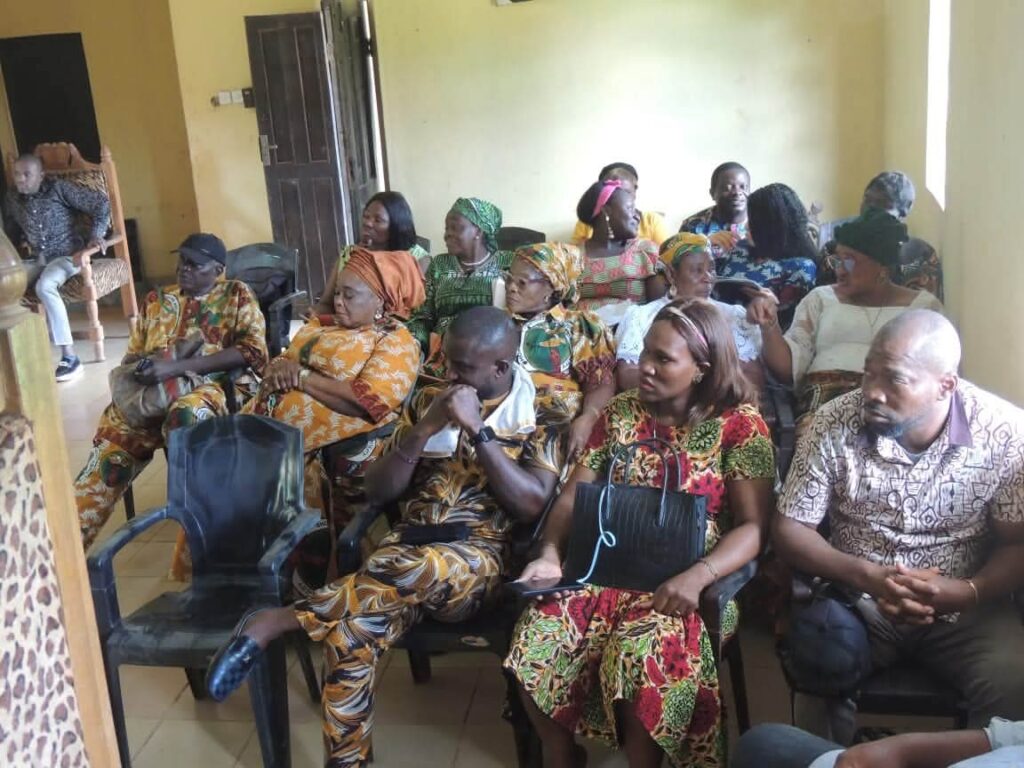
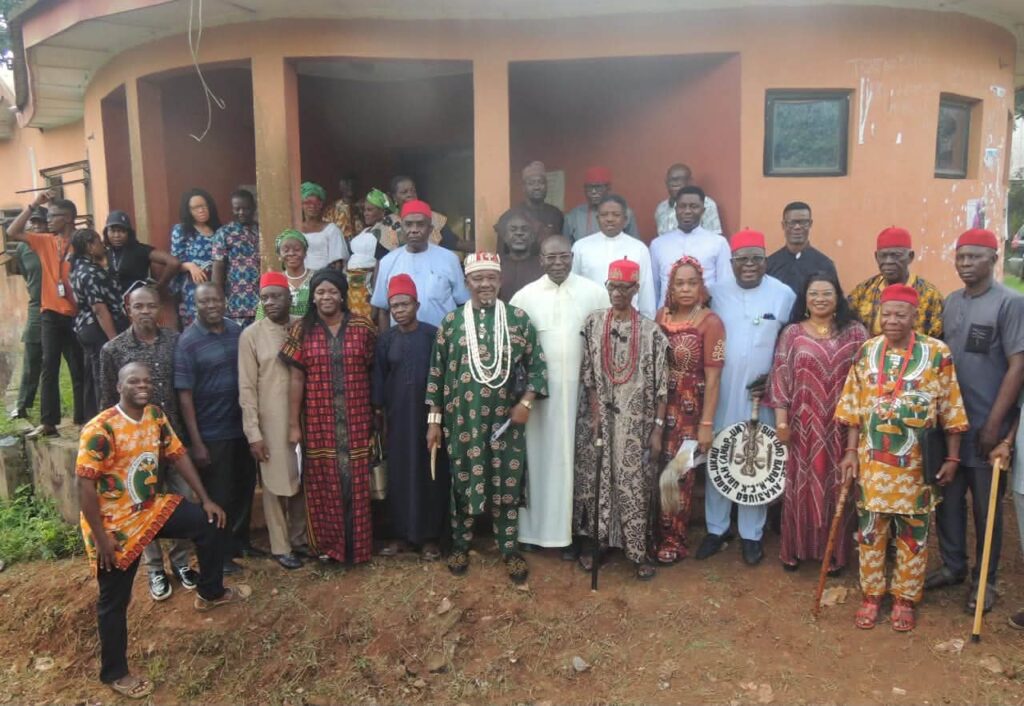
Representatives of the Nigerian Tourism Development Authority, National Root Crops Research Institute, Centre for Black and African Arts and Civilization, Catholic Diocese of Ekwulobia, traditional rulers and other stakeholders attended the handover ceremony.
When completed, the proposed National Yam Festival Cultural Village is expected to serve as a major hub for cultural tourism, research, exhibitions and investment while preserving and promoting Nigeria’s rich yam heritage.
Yam remains more than an agricultural commodity in Nigeria, particularly in the South-East, where it carries deep cultural significance and features prominently in traditional festivals and ceremonies. With Nigeria recognised as the world’s largest yam producer, stakeholders believe the proposed cultural village could provide a platform for turning that agricultural strength and cultural heritage into a sustainable tourism asset.
#