News
ENDING THE LEAKS: Civil Society Groups Push Community Monitoring to Stop PHC Funds Mismanagement in Anambra

By Praise Chinecherem
Concerned by recurring cases of alleged mismanagement and poor accountability in the primary healthcare system, civil society groups working in the areas of HIV, Tuberculosis and Malaria have intensified calls for the institutionalization of Community-Led Monitoring (CLM) as a permanent mechanism to improve transparency, service delivery and healthcare outcomes across Anambra State.
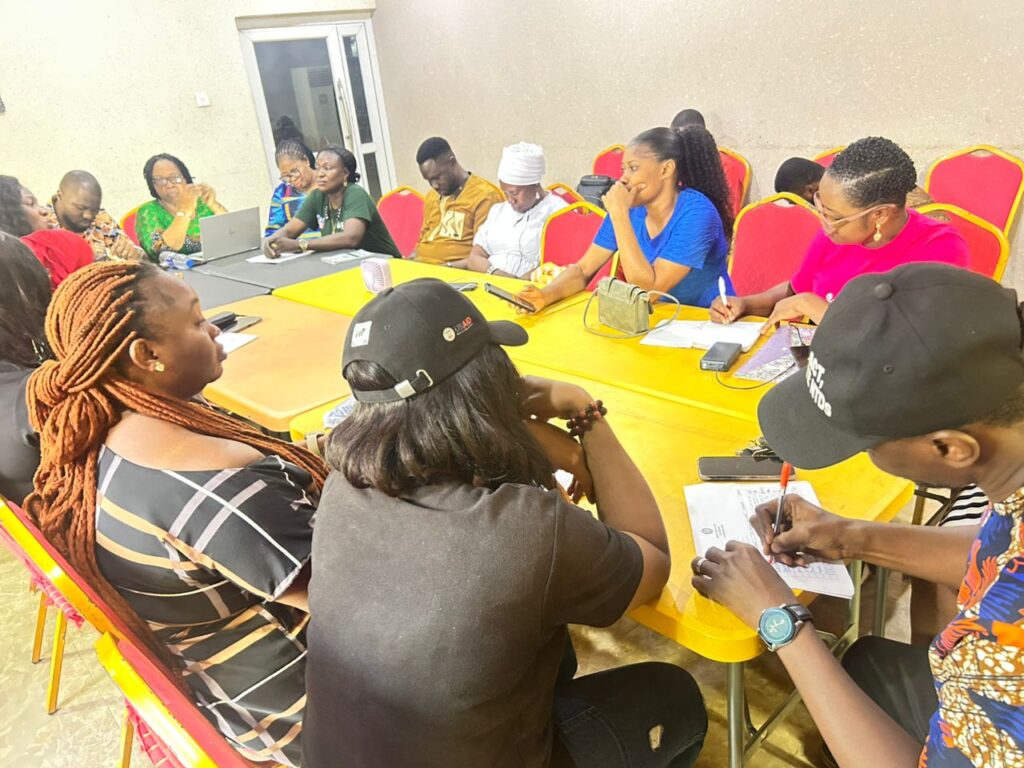
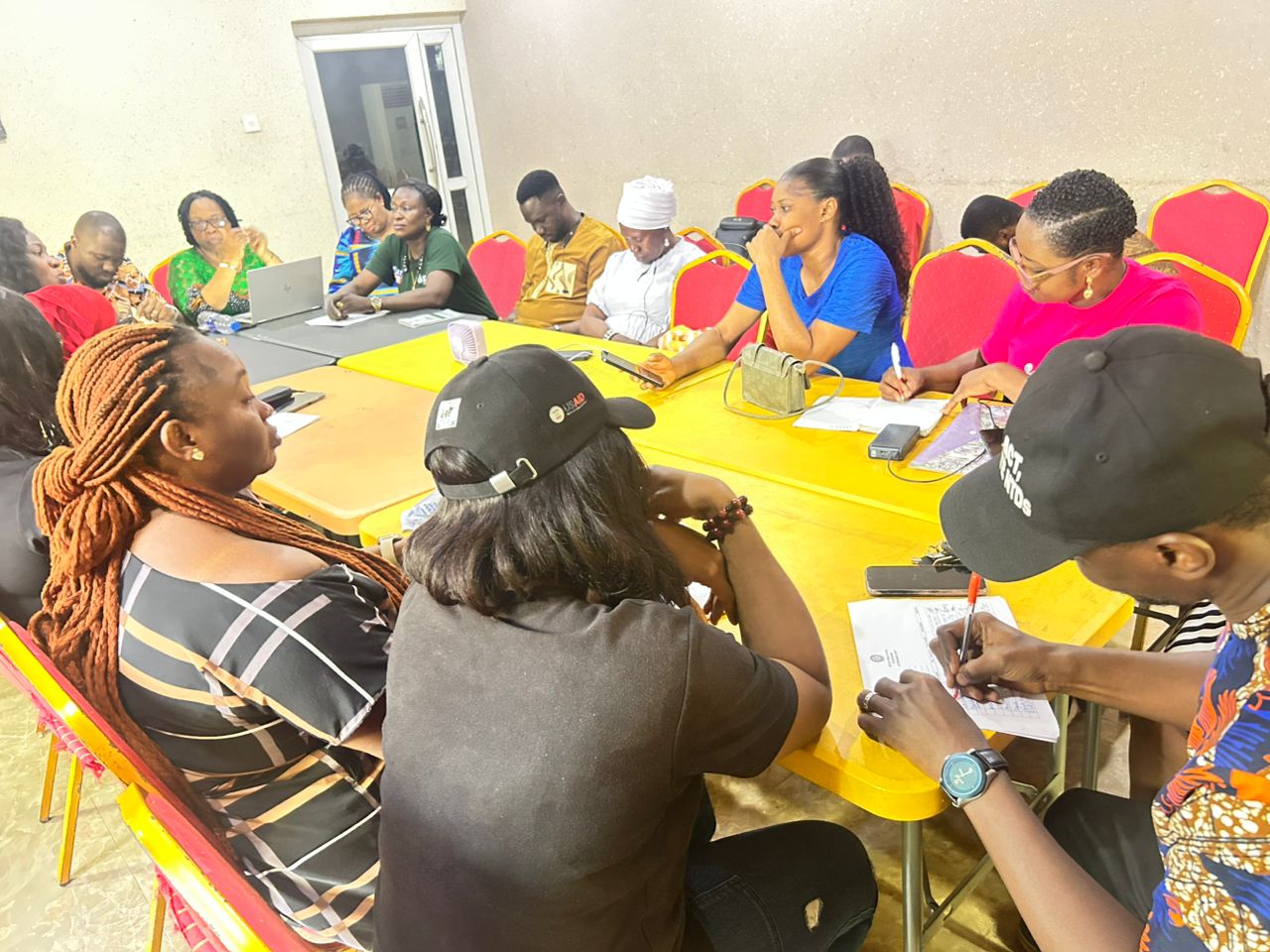
The call was made in Awka during a media briefing on the Global Fund GC7 Integrated Community-Led Monitoring (I-CLM) Project currently being implemented in nine Primary Healthcare Centres (PHCs) across the state.
The coalition, known as the HTM Networks, comprises the Civil Society for the Eradication of Tuberculosis in Nigeria (TB Network), the Network of People Living with HIV/AIDS in Nigeria (NEPWHAN), and the Association of Civil Society Organizations on Malaria, Immunization and Nutrition (ACOMIN). The project is being implemented in partnership with the Institute of Human Virology Nigeria (IHVN) under the Global Fund GC7 I-CLM Grant.
Addressing journalists during the Quarterly Integrated CLM State Press Briefing, the State Coordinator of the TB Network, Mrs. Ify Unachukwu, expressed concern over reports of misappropriation and mismanagement of funds meant for primary healthcare services.
She argued that public health resources must be protected and utilized efficiently to guarantee quality healthcare delivery, particularly for vulnerable populations.
“Funding meant for primary healthcare should be devoid of misappropriation and mismanagement. Every kobo allocated to healthcare must translate into improved services, better infrastructure, and positive health outcomes for citizens,” she stated.
Unachukwu stressed that Community-Led Monitoring has proven to be an effective accountability tool capable of identifying service delivery gaps, tracking resource utilization, and ensuring that healthcare facilities respond to the needs of the people they serve.
She also advocated for the expansion of the National and State Health Insurance Schemes to cover more vulnerable citizens, especially the poor and unemployed, who often struggle to access quality healthcare because of high out-of-pocket expenses.
“The most vulnerable members of society should not be denied access to healthcare because they cannot afford it. Expanding health insurance coverage remains critical to achieving universal health coverage and improving health outcomes,” she said.
The civil society leader further emphasized that achieving meaningful progress in the fight against HIV, Tuberculosis, Malaria, and Gender-Based Violence (GBV) requires a holistic approach that prioritizes prevention, treatment, health education, and community engagement.
According to her, sustainable healthcare interventions can only succeed when communities are empowered with the knowledge and resources needed to make informed health decisions.
“Every ward should commit to health promotion and education programmes that increase awareness of disease prevention and encourage active community participation in healthcare delivery,” she added.
On tuberculosis control, Unachukwu raised concerns over recurring stock-outs of TB commodities and essential medications, as well as the unavailability of critical recording and reporting tools in some healthcare facilities.
She called for urgent interventions to bridge these gaps and prevent disruptions in treatment and disease surveillance efforts.
“We must continue to highlight shortages of TB drugs and commodities because delayed interventions can undermine treatment outcomes and threaten public health gains already achieved,” she warned.
The coordinator also underscored the need for increased domestic resource mobilization to sustain gains recorded in the fight against HIV, TB, and Malaria, particularly as global donor funding becomes increasingly uncertain.
She urged government institutions, private sector stakeholders, communities, and individuals to develop stronger partnerships and communication strategies that would guarantee sustainable support for healthcare programmes.
Highlighting achievements recorded through the Integrated Community-Led Monitoring project, Unachukwu noted significant improvements in sanitation, increased awareness of healthcare services, enhanced access to affordable treatment, restoration of electricity and water supply in some communities, and the enrollment of more than 56 residents into the Anambra State Health Insurance Agency (ASHIA) Basic Healthcare Provision Fund programme.
The briefing also focused on the growing challenge of Gender-Based Violence (GBV) in Nigeria.
Unachukwu identified domestic violence, verbal and physical abuse, rape, sexual assault, incest, female genital mutilation, early and forced marriages, acid attacks, and killings as some of the prevalent forms of GBV affecting women, men, boys, and girls across the country.
“Gender-based violence remains a serious threat to human dignity and social development. It is a menace that requires collective action from government, civil society, communities, religious institutions, and families,” she said.
She called on Nigerians to unite in the fight against all forms of violence and discrimination, emphasizing that no society can achieve sustainable development while allowing such abuses to persist.
Earlier, the State Programme Officer of the TB Network, Onyekachi Ololo, called for urgent strengthening of the healthcare system through increased political commitment and adequate funding.
According to him, Anambra can consolidate gains in healthcare delivery and disease control by supporting evidence-based interventions such as Integrated Community-Led Monitoring, which places communities at the center of decision-making and accountability processes.
“If we are serious about eliminating tuberculosis and strengthening our healthcare system, we must invest in approaches that give communities a voice. Community-Led Monitoring is proving that citizens can become active partners in improving healthcare delivery and accountability,” Ololo said.
The groups maintained that institutionalizing Community-Led Monitoring across all primary healthcare facilities would not only improve transparency and accountability but also accelerate progress toward achieving universal health coverage and better health outcomes for residents of Anambra State.