News
Infant Mortality: Stakeholders Seek Greater Women Elevation in Healthcare Leadership Positions

By Praise Chinecherem
STAKEHOLDERS in healthcare services in Anambra state have called for increased women participation and leadership responsibilities in the management of the Primary Healthcare (PHCs) services in the state.
The stakeholders comprise members of Ward Development Committees (WDCs), Community Empowerment Network (COMEN), Anambra State Town Unions Council (ASTUC), Civil Society Organizations (CSOs), Justice Development and Peace Caritas, (JDPC), Social and Integral Development Centre (SIDEC) supported by IBP.
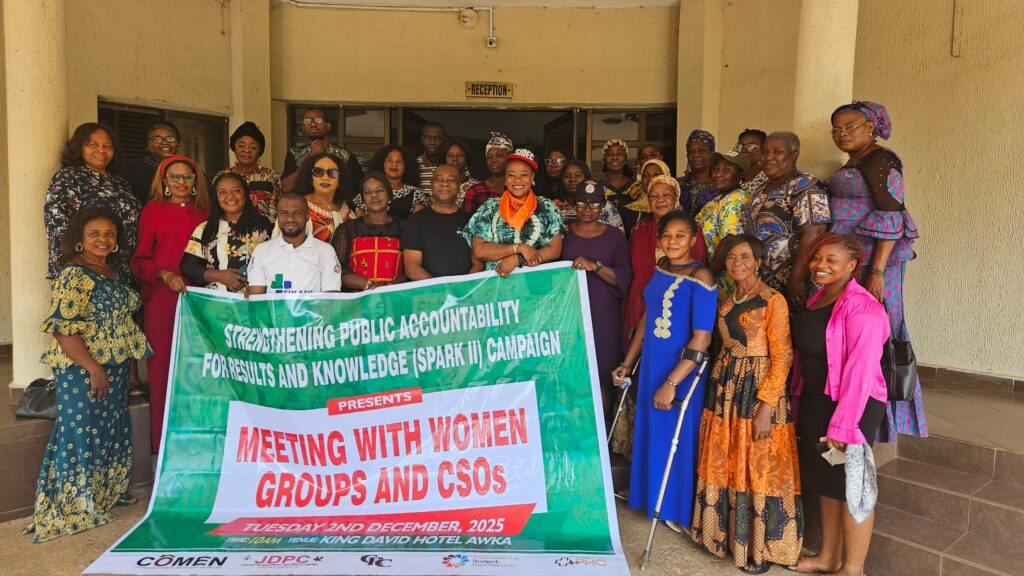
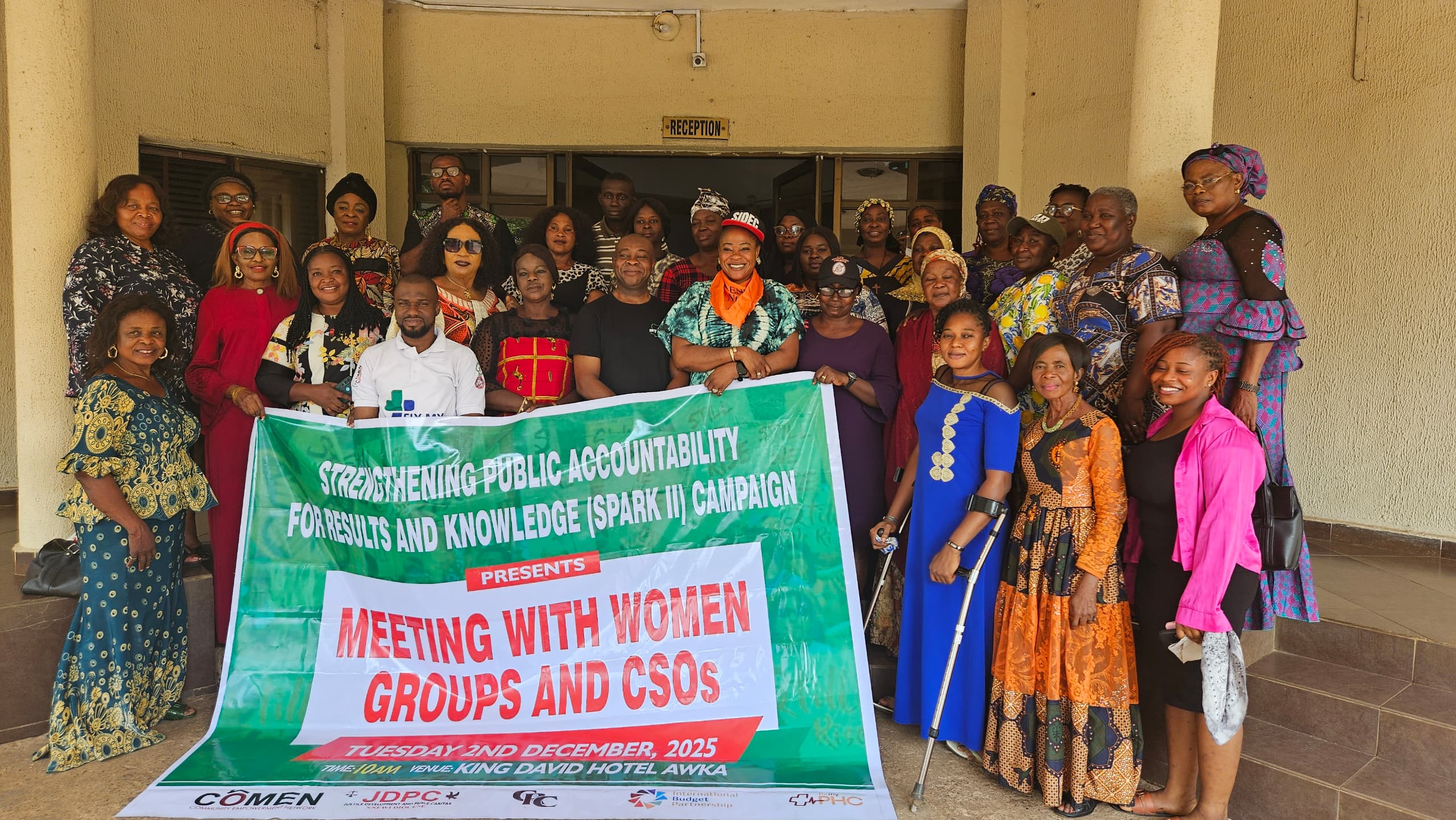
Speaking in Awka during the Strengthening Public Accountability for Result and Knowledge (SPARK 2) town hall meeting with women groups and CSOs, one of the partners and Executive Director, SIDEC, Ugochi Ehiahuruike said the meeting was necessary to strengthen access to service delivery around maternal and child healthcare as well as reduce mortality in the PHCs.
She said, “The essence of the meeting was to brainstorm on how we can get more women in leadership positions in WDC composition.
“We already have women in the membership program; whereas we just have 11 percent of women in the elective positions.
“The clamour is how to collaborate with community and market women leaders, WDC chairpersons and CSO women leaders as well as the media.
“With this meeting, we’re optimistic that come next election, we’ll be able to achieve minimum of 20% increase in women representation in elective positions in WDCs.
“We also expect to secure certain level of commitment from the ASTUC members, religious leaders and faith based actors present at the engagement.”
Director, Justice Development and Peace Caritas, (JDPC Nnewi), Rev Father Ben Okolo regretted low patronage of PHCs as against the secondary health centers despite upgrading of the PHCs by the current administration.
“The campaign is for more women to dominate PHCs leadership to increase patronage of the PHCs. We also call on community leaders to take ownership of the facilities by supporting government efforts,” he added.
Also speaking, Program Manager, JDPC, Onyekachi said the meeting also centered around welfare of healthcare workers, resource control and how they were being allocated as well as policies that drive better healthcare services.
He said, “We’ve identified critical players – WDCs, women groups, pregnant women – mobilizing them as well as conducting advocacies to ensure their services as impediments were addressed.
“You’ll agree with me that those who patronize the PHCs are women and children as far as maternal and child health are concerned.
“Besides, available facts indicate that in the 58 facilities, in the 24 communities of the 6 LGAs we’re working in, virtually all the WDCs are men.
“We feel there’s need for all stakeholders to have mindset shift to get women participate actively in the day-to-day operations, including leadership beyond mere visiting of the facilities.
“We believe that issues affecting women, some resulting to mortality rates can better be addressed by women themselves. That’s why SPARK is beaming its light on these issues.
“Talking about principles of equity, there’s need for fair representation of women groups in leadership positions to ensure their inputs were captured when decisions are being made.
“But considering the social order, we also take into cognisance the role of women in their homes vis-a-vis that of PHCs. Hence another level of awareness to ensure their husbands’ approvals and support.”
Another partner, Executive Director, Civil Rights Concern (CRC), Okey Onyeka commended women for their interest and active involvement in PHCs, calling for increased participation, particularly contesting leadership positions for more indelible marks.
One of the participants, and WDC chairperson, Utu PHC, Mrs Ogoamaka Atuiyi identified manpower and medical item deficits as among challenges facing the PHCs in the state, calling for government’s intervention.
“Government should pay more attention to the PHCs. We need nurses to compliment services of the only Officers in charge (OIC) of each PHC taking care of over 20 patients, especially during immunisation days.
“Once the OIC is not in the office, the center will be under lock and patients will be stranded, unless where there are voluntary workers.
“Yes, government has provided free atinetal and delivery, but we need more hand gloves. They’re too costly for us to afford. Same with injections and other things needed during delivery.
“We also need more security personnel in the health centers. Inasmuch we don’t need those with arms, but at least those who will be manning our entrances. We also need cleaners,” she added.