News
Buruli Ulcer Is Not Witchcraft, NTBLCP Debunks Superstitious Beliefs, Urges Early Treatment

By Praise Chinecherem
The National Tuberculosis, Leprosy and Buruli Ulcer Control Programme (NTBLCP) has debunked widespread myths and superstitious beliefs surrounding Buruli ulcer in Nigeria, warning that misconceptions about the disease are contributing to delayed treatment, severe complications and permanent disabilities.
The programme clarified that Buruli ulcer is a bacterial infection that is preventable and treatable, stressing that it has nothing to do with witchcraft, sorcery or divine punishment, as wrongly believed in some communities.
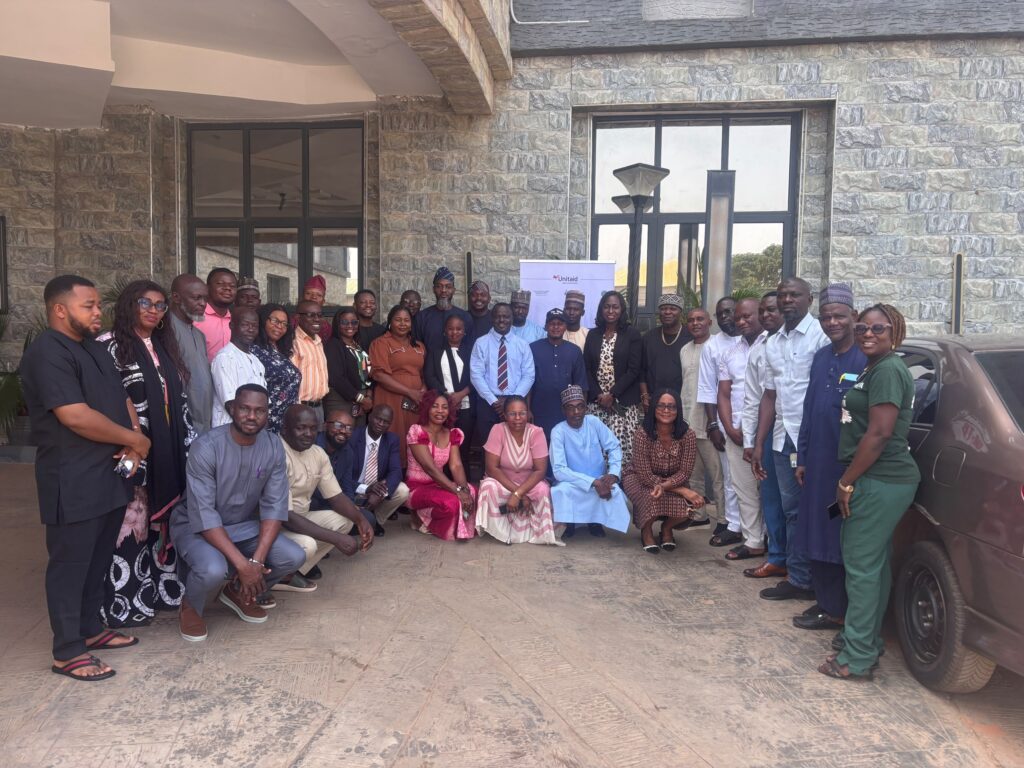
The Acting National Coordinator of NTBLCP, Clement Adesigbin, stated this during a three-day training programme organised by the Civil Society for the Eradication of Tuberculosis in Nigeria (TB Network) for 24 local journalists in the Federal Capital Territory.
Adesigbin described Buruli ulcer as a serious, chronic skin and tissue disease caused by Mycobacterium ulcerans, urging Nigerians to seek medical attention whenever they notice persistent skin lesions or unusual swellings.

“Buruli ulcer is a serious, chronic skin and tissue disease caused by Mycobacterium ulcerans. It should be suspected when a person develops an ulcer that persists for weeks or months,” he said.
He explained that the disease is commonly reported in riverine communities, particularly among people with limited access to safe water sources such as pipe-borne water, wells and boreholes.
According to him, the disease may initially present as painless skin rashes, lesions, lumps or swellings that are often mistaken for minor skin conditions or insect bites.
He warned that scratching affected areas and, more importantly, delaying appropriate medical intervention could allow the infection to progress, resulting in extensive tissue damage.
The NTBLCP coordinator expressed concern that deep-rooted superstitions were causing many victims, particularly in rural communities, to attribute the disease to supernatural forces or snakebites instead of seeking treatment at recognised health facilities.
“Because Buruli ulcer initially manifests as a painless lump or swelling, often mistaken for an innocent insect bite, deep-seated superstitions lead many victims in rural communities to blame supernatural forces or snakebites.
“These misconceptions cause critical delays, driving patients to traditional healers rather than formal medical clinics.
“By the time medical help is sought, the infection may have progressed to massive open wounds, resulting in severe tissue destruction, social stigma and permanent disability,” Adesigbin said.
He further disclosed that untreated Buruli ulcer could affect the bones, leading to serious complications such as limb deformities and contractures of the hands and other affected parts of the body.
However, he expressed optimism over the successful recovery of several patients following appropriate medical intervention, noting that government health facilities provide treatment through a combination of antibiotics.
He identified Primary Health Centres (PHCs) as among the facilities through which affected persons could access healthcare, while emphasising the importance of early diagnosis and treatment.
Adesigbin also urged journalists to intensify public enlightenment campaigns to dispel misinformation, promote early detection and encourage affected individuals to seek medical attention.
“Media awareness is important in promoting early detection and treatment. Providing accurate information can encourage affected persons and their families to seek medical attention promptly, access free treatment and prevent complications,” he added.
Also speaking at the training, one of the facilitators, Dr Adebayo Ekosanmi, explained that Buruli ulcer affects people across different age groups, including children below 15 years, and commonly affects the limbs, particularly the lower limbs.
He noted that people who live or work close to rivers and slow-moving water bodies, including farmers, are particularly associated with the disease, although its exact mode of transmission remains under investigation.
According to him, Buruli ulcer can manifest in different forms, including nodules, plaques, swellings and open ulcers, depending on the stage and severity of the infection.
“Buruli ulcer may present as nodules, plaques, swelling or ulcers. Severe cases can cause deeper tissue damage, including osteomyelitis, a bone infection,” Ekosanmi said.
The health experts urged Nigerians to reject harmful myths, avoid self-medication and seek prompt medical attention whenever they notice unusual or persistent skin swellings, lesions or wounds.
#