News
Anambra Students Storm Assembly Chamber to Witness Legislative Proceedings

By Praise Chinecherem
Students of Laphils International Academy, Agu-Awka, Anambra State, have experienced democracy in action after visiting the Anambra State House of Assembly to observe how lawmakers debate public issues and consider bills.
The educational visit offered the students a firsthand look at legislative proceedings, bringing lessons on governance, democracy and civic responsibility to life.
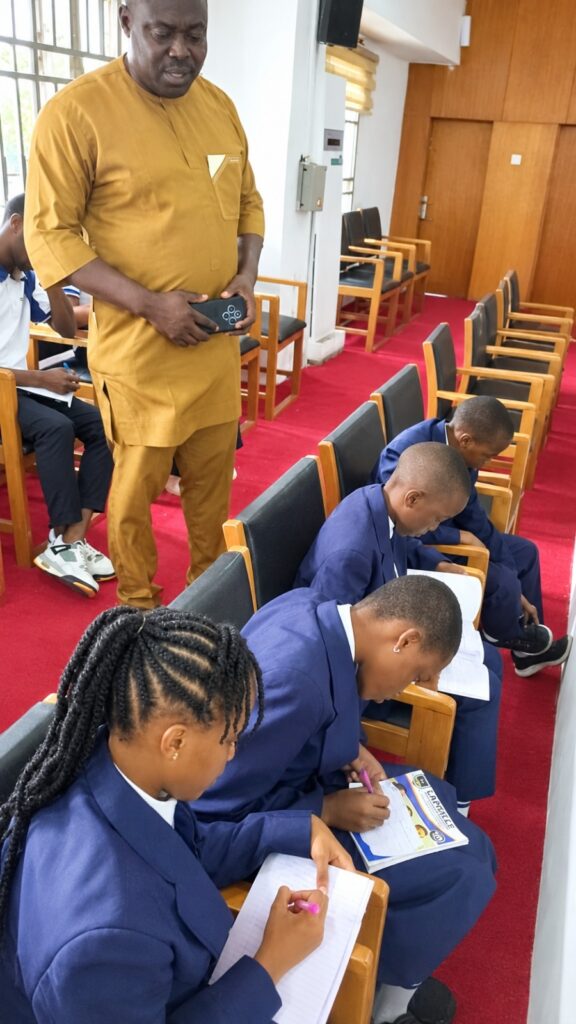
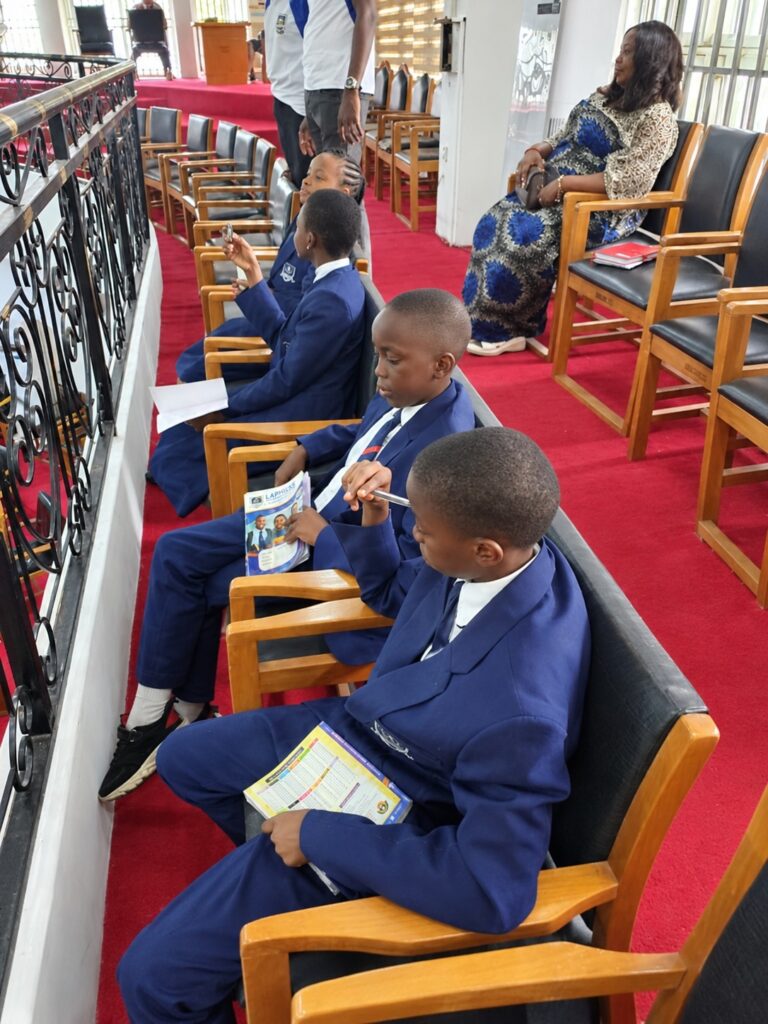
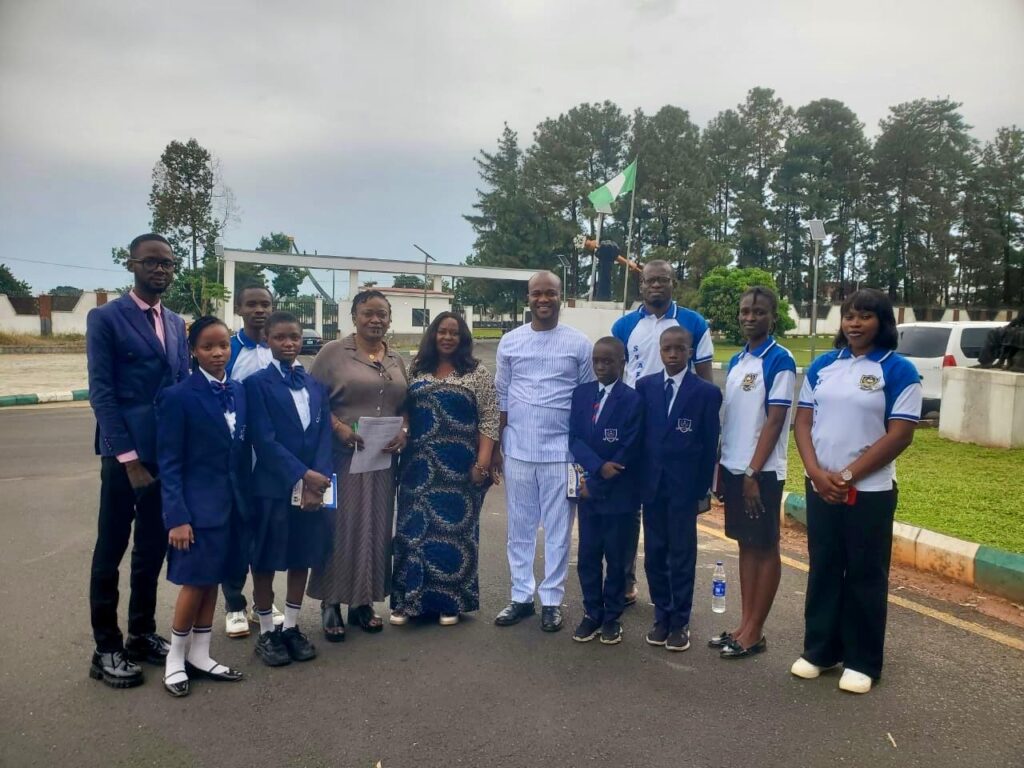
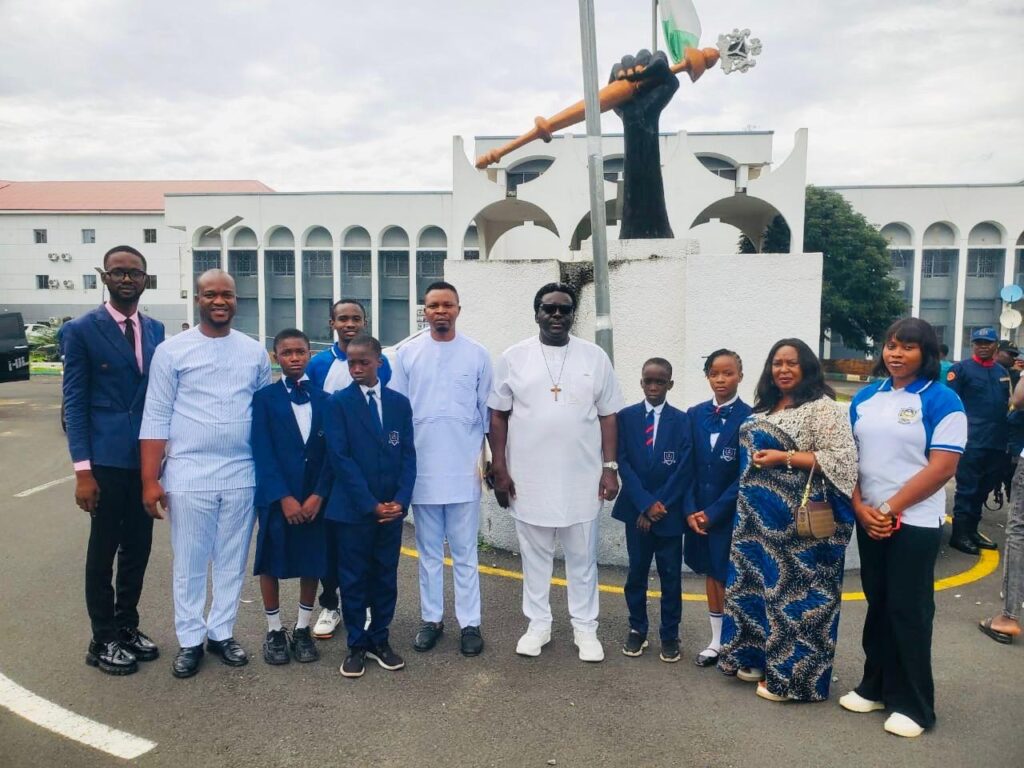
Received by the Speaker of the House, Rt. Hon. Somtochukwu Nkem Udeze, alongside other lawmakers, the scholars observed plenary proceedings from the gallery, watching elected representatives perform their legislative duties.
One of the highlights of the visit was the students’ opportunity to observe a bill under consideration, following the debate as lawmakers contributed their views under the Speaker’s supervision.
The experience gave the scholars a practical introduction to the procedures that guide legislative debates and the processes through which proposed laws are examined before they can be passed.
For students accustomed to learning about government and democracy through textbooks, the visit provided an opportunity to see the institutions behind those lessons at work.
Speaking after the exercise, the school’s Proprietress, Mrs. Phina Mefor, said the visit was part of the academy’s commitment to providing practical learning experiences that prepare students for life beyond the classroom.
“The visit is organised to deepen the students’ understanding of governance, democracy and civic responsibility,” Mefor said.
She explained that the school believes education should equip children with more than academic knowledge, stressing the need to develop critical thinking, confidence, social awareness and a sense of responsibility.
“We believe that education must prepare children not only to succeed academically, but also to understand their society, think critically, communicate confidently and take responsibility for the communities in which they live,” she said.
Mefor noted that observing legislative proceedings helped the students connect lessons in Civic Education and Social Studies with the real institutions responsible for making decisions that affect society.
“Experiences such as this help our scholars connect what they learn in the classroom with the world around them,” she added.
She said the visit reflected the school’s broader educational philosophy, which combines academic learning with character development, practical exposure and leadership preparation.
According to her, developing future leaders requires the cultivation of values such as integrity, discipline, curiosity and confidence, alongside a sound understanding of society and its institutions.
The proprietress also emphasised that civic awareness should not begin only when young people become eligible to vote.
“Although the students are not yet of voting age, the visit underscored that civic education can begin well before entry into the electorate,” Mefor said.
She added that understanding how laws are made, how elected representatives debate public issues and how legislative proceedings are conducted would help lay the foundation for informed citizenship.
“Understanding how laws are made, how representatives debate public issues and how legislative proceedings are conducted lays a foundation for informed citizenship in the years ahead,” she said.
Mefor appreciated the Speaker, lawmakers, clerks and other staff of the Anambra State House of Assembly for welcoming the students and facilitating the educational experience.
The visit highlights the role of practical learning in helping young people understand democratic governance, appreciate the responsibilities of elected representatives and prepare for meaningful civic participation in the future.
#