News
GPSDC, WACOL Train 20 Male Allies to Tackle Gender-Based Violence in Anambra

By Ukpa Ewa
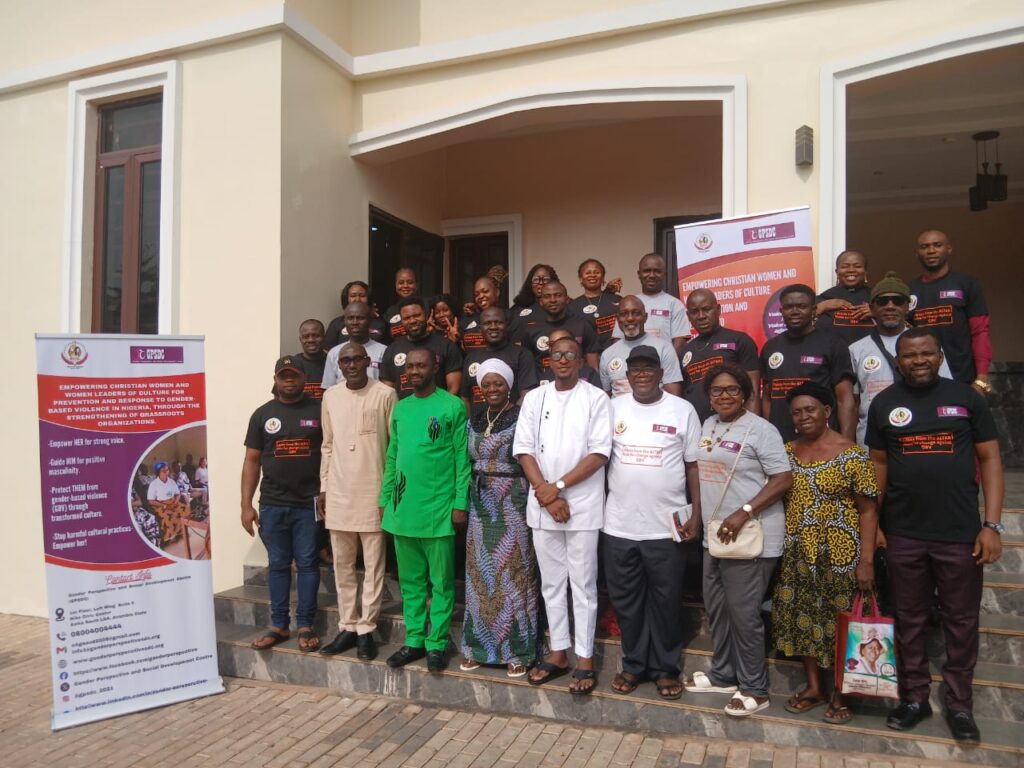
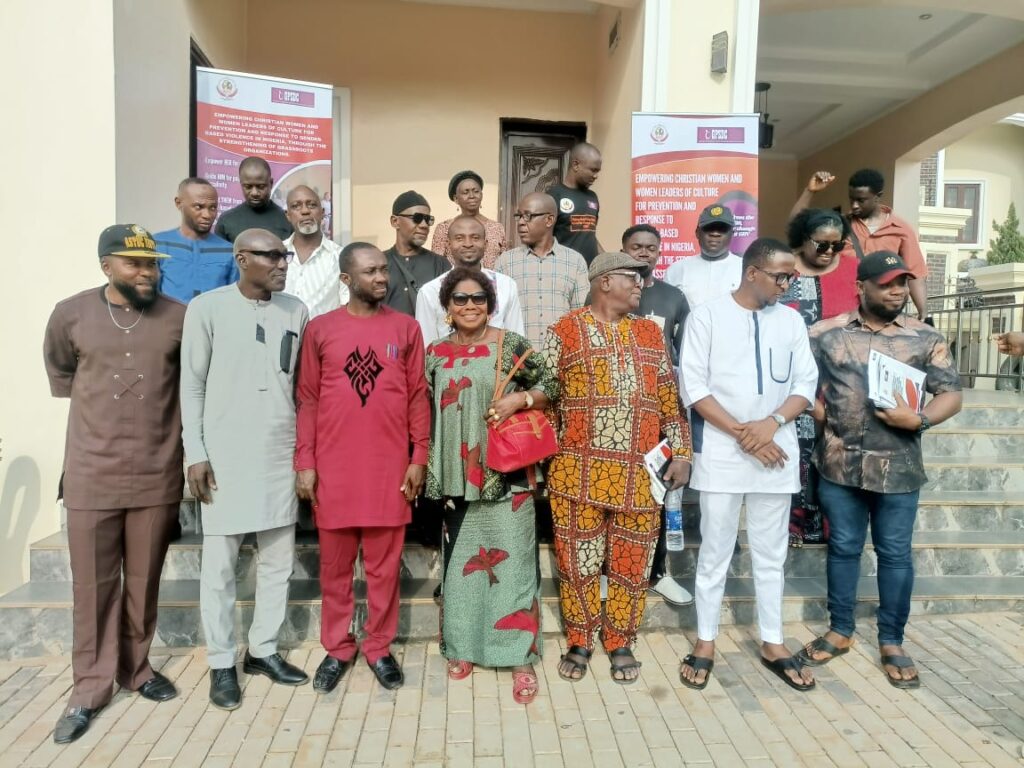
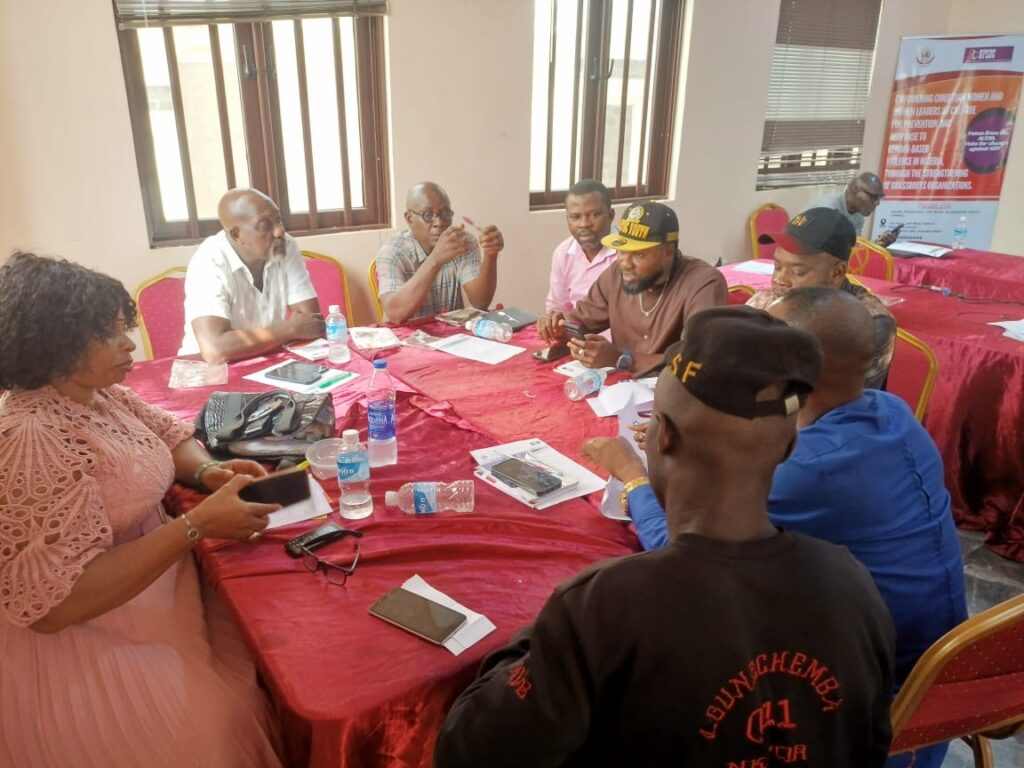
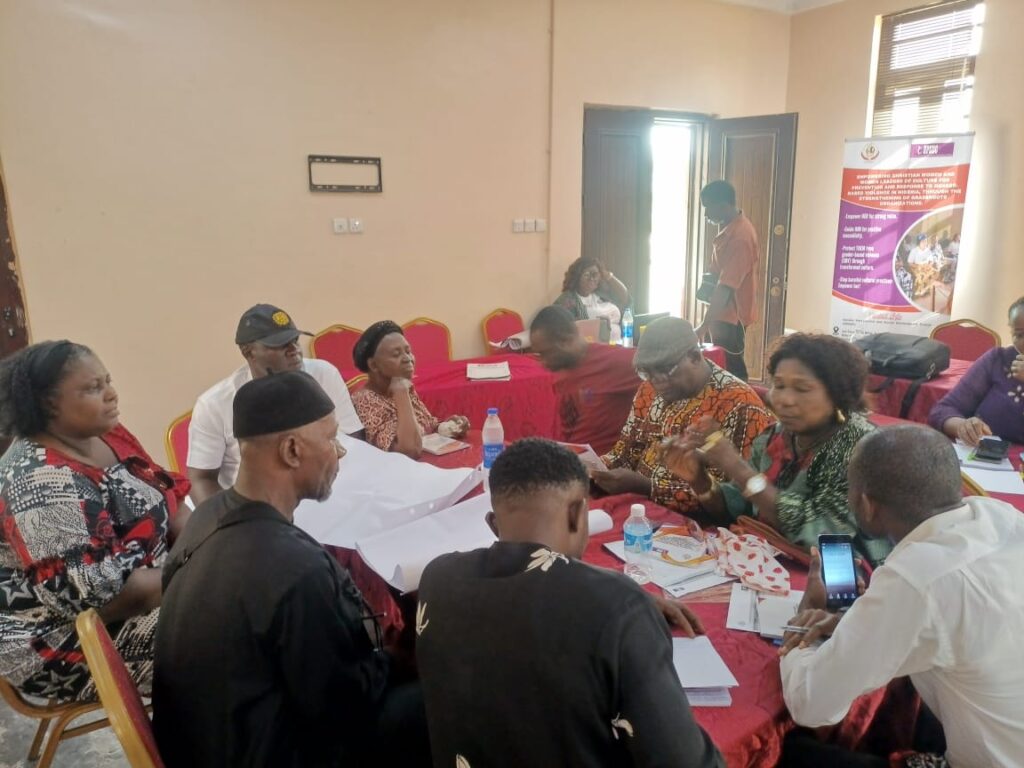
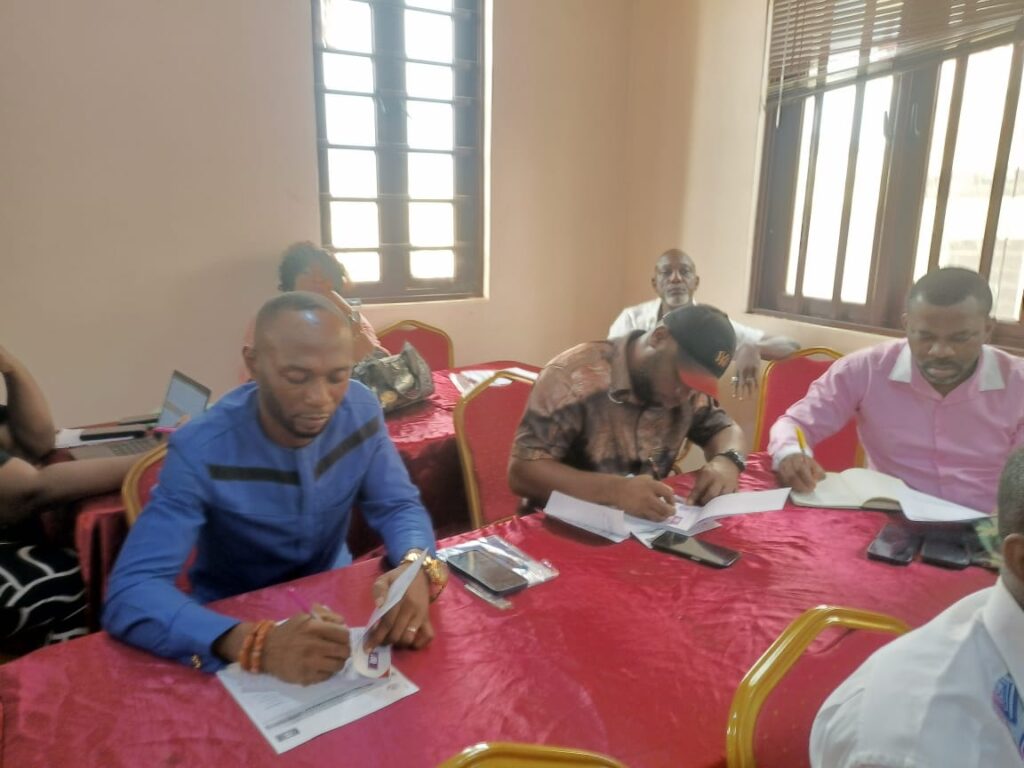
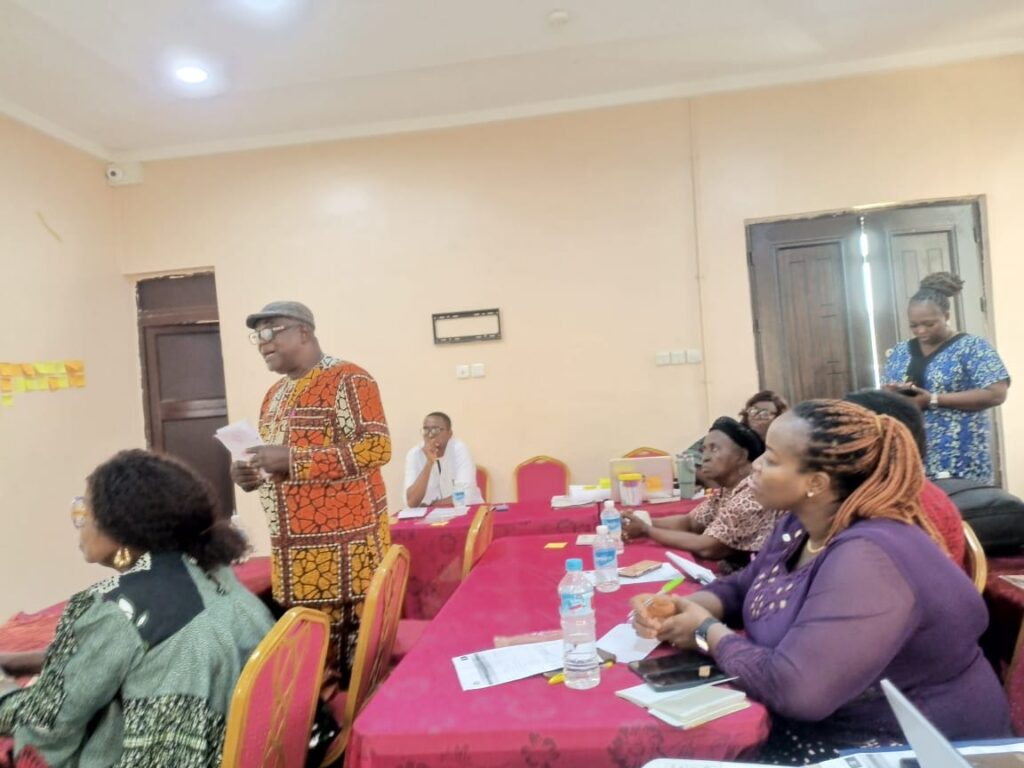
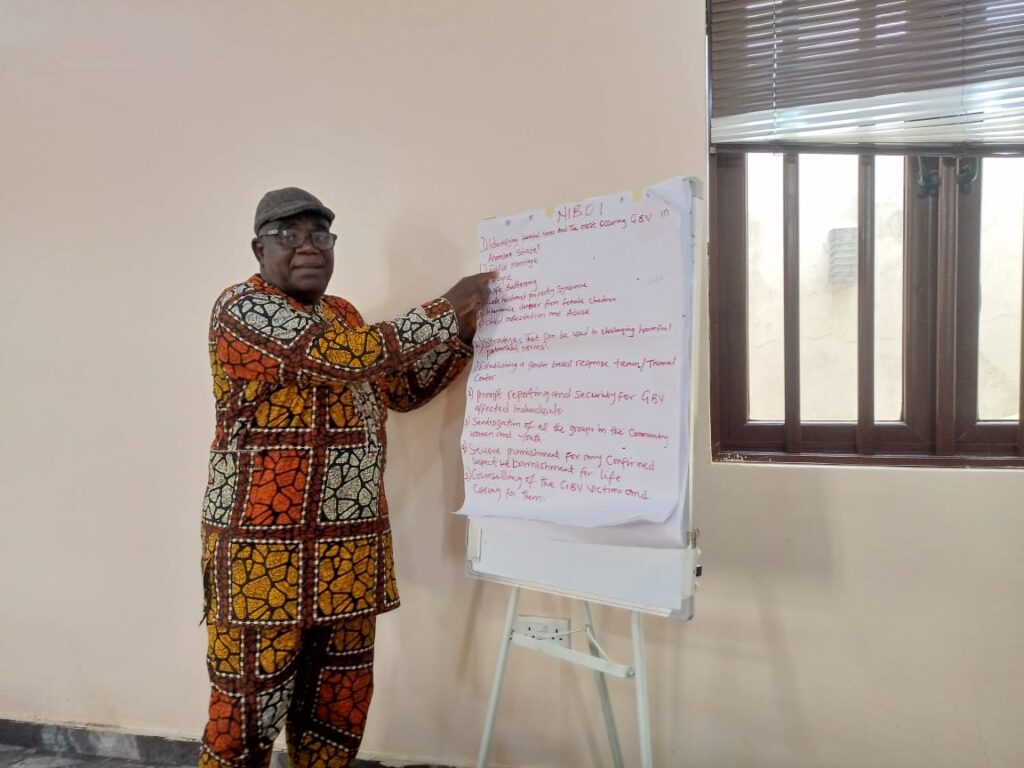
Gender Perspective and Social Development Centre (GPSDC), with support from Women Aid Collective (WACOL), has organised a two-day training for male allies on gender equality and the prevention of Gender-Based Violence (GBV) in Nigeria. The training, held in Awka, brought together selected male youth leaders and community influencers from Nkpor in Idemili North Local Government Area and Nibo in Awka South Local Government Area of Anambra State.
The programme was designed to strengthen the capacity of men to promote positive masculinity, human rights and non-violent norms, while equipping them with practical skills to cascade GBV prevention messages through faith-based and cultural networks.
Speaking at the event, the Programme Manager of WACOL, Mr. Emmanuel Ubajekwe, explained that the training is part of a project implemented by GPSDC titled “Empowering Christian Women and Women Leaders of Culture for Prevention and Response to Gender-Based Violence in Nigeria through the Strengthening of Grassroots Organisations.”
He noted that although Christianity is deeply rooted in Nigeria with over 80 million adherents, patriarchal structures within faith and cultural settings continue to marginalise women, especially in leadership and decision-making roles.
Ubajekwe disclosed that Nigeria faces alarming levels of GBV, with 31 per cent of women aged 15–49 experiencing violence, 14 per cent sexual violence and about 68 per cent reporting some form of violence in their lifetime.
He attributed the prevalence partly to harmful religious and cultural interpretations, stressing that faith and culture, when rightly used can also serve as powerful tools for promoting dignity, justice and inclusion for women and girls.
He added that the project aims to mobilise grassroots organisations to challenge harmful norms, shift patriarchal attitudes and reduce GBV to the barest minimum.
Earlier in her welcome address, the Executive Director of GPSDC, Mrs. Eucharia Anekwe noted that the training targeted 20 selected men from Nkpor and Nibo communities due to the high prevalence of reported GBV cases in the areas. She explained that the project followed earlier advocacy visits to traditional rulers, community leaders, security agencies and relevant government institutions.
According to her, after engaging women stakeholders last year, men were now invited to dialogue and jointly develop community-based action plans to curb GBV. She stressed that men and women would work together, alongside youths and security agencies to address the menace.
In his goodwill message, a member of the Nibo Council of Chiefs, Chief Emmanuel Anizoba, expressed hope that participants would return to their communities to apply the knowledge gained to reduce gender violence.
Similarly, Nkpor Youth Leader, Dr. Jideofor Ifeanyi, described GBV as a serious challenge in his community and pledged to work with relevant authorities to ensure implementation of outcomes from the training.
Representing the Nibo community security leadership, Chief Francis Ogbuefi lamented the rising cases of sexual violence against underage girls in Nibo, Awka and surrounding areas, stressing that communities must say no to all forms of crime and abuse.
Delivering a paper on “Understanding Gender, Power Dynamics, Masculinity and Human Rights,” Dr. Julius Nwosu of the Department of Mass Communication, Nnamdi Azikiwe University, Awka, explained that gender roles and masculinity are socially constructed and not biologically determined.
He noted that harmful cultural practices reinforce inequality and power imbalance, urging men to embrace positive masculinity to promote equality and human rights.
Also speaking, the Chairman of Nigeria Union of Journalists (NUJ), Anambra State Council, Comrade Odogwu Emeka Odogwu PhD, who presented a session on “Survivor-Centred Approaches and the Role of Men in Protection,” said GBV is not only a women’s issue but a leadership and men’s issue.
He called on men to speak out against abuse, support survivors to access justice and help build communities where women and girls can live without fear.
The programme, funded by WACOL concluded with commitments by participants to champion GBV prevention and promote gender equality within their communities.