News
Obi Condemns Growing Traffic Gridlocks at Security Checkpoints in Nigeria

By Praise Chinecherem
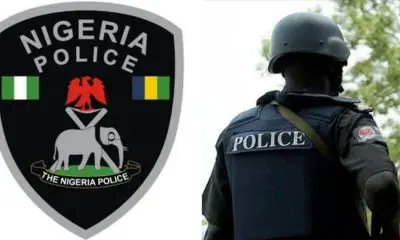
Former presidential candidate, Mr. Peter Obi, has expressed serious concern over the increasing traffic congestion caused by poorly positioned security checkpoints across major roads in the country.
He warned that the checkpoints now pose threat to public safety rather than offering protection.
In a statement shared following his travels during the festive season, Obi described the traffic situation on several highways as “distressing.”
He said in many instances, travellers heading to distant destinations were forced to abandon their journeys after spending hours trapped in gridlock.
According to him, the major cause of the congestion is the indiscriminate placement of security checkpoints, particularly at narrow road sections and near construction zones.
He described such positioning as counterproductive and irresponsible, as it brings traffic to a complete standstill and imposes unnecessary hardship on road users.
“Security checkpoints are meant to protect lives, not endanger them,” Obi stated. “When their location and operation create prolonged delays, exhaustion, and increased accident risks, then we must re-evaluate how they are being implemented.”
Acknowledging and appreciating the sacrifices and dedication of security agencies, Obi called for greater discretion and flexibility, especially during peak travel periods.
He explained that many travellers are already burdened by long distances and poor road conditions, and that additional delays leave drivers fatigued and vulnerable to accidents.
He further warned that extended gridlock forces people who set out early to remain on the road well into the night, exposing them to heightened security risks at a time when insecurity remains a national concern.
“Security must never become a source of insecurity,” he emphasized.
Obi advocated a more strategic and humane approach to security operations on highways.
He recommended that checkpoints be relocated away from narrow roads and construction areas, that inspections be expedited during heavy traffic, and that security agencies improve coordination to eliminate unnecessary bottlenecks.
According to him, such measures would improve traffic flow without compromising security, protect lives, and make Nigerian roads safer and more efficient for all users.