News
Soludo Seeks Actionable Roadmap to Bridge Anambra’s Electricity Gap, Targets 1,000MW

By Praise Chinecherem
Anambra State Governor, Prof. Chukwuma Soludo, has called for an actionable and verifiable roadmap to bridge the electricity supply gap in the state, declaring that Anambra requires at least 1,000 megawatts (MW) of electricity to drive industrialisation and economic growth.
Soludo, who made the call at the Electricity Market Investment Roundtable organised by the Anambra State Electricity Regulatory Commission (ASERC) in Awka, said the state currently receives only about 120MW from the national grid, far below its estimated electricity demand.
The governor described electricity as the foundation of economic development, stressing that reliable power supply was indispensable to manufacturing, commerce and other productive activities.
“Anambra currently receives only about 120 megawatts. Without electricity, there will be no manufacturing. Without energy, only little can happen,” he said.
He added, “For us, it is very consequential. We are here to do business. Anambra is ready for business.”
Soludo reiterated his administration’s commitment to creating an enabling environment for private-sector investment and participation in the state’s emerging electricity market.
He urged investors to explore the numerous opportunities in the sector, particularly those linked to the state’s proposed Mixed Industrial City and aerotropolis projects.
According to him, expanding electricity generation and distribution capacity is critical to unlocking Anambra’s economic potential, supporting businesses and positioning the state as a competitive investment destination.
Speaking at the event, Chairman of the Enugu Electricity Distribution Company (EEDC), Sir Emeka Offor, commended the Soludo administration for recognising the critical role of electricity in the state’s transformation agenda and setting an ambitious 1,000MW target.
Offor, who was represented by Engr. Vincent Ekwekwu, said the initiative would strengthen industries, expand businesses, create employment opportunities and improve residents’ quality of life.
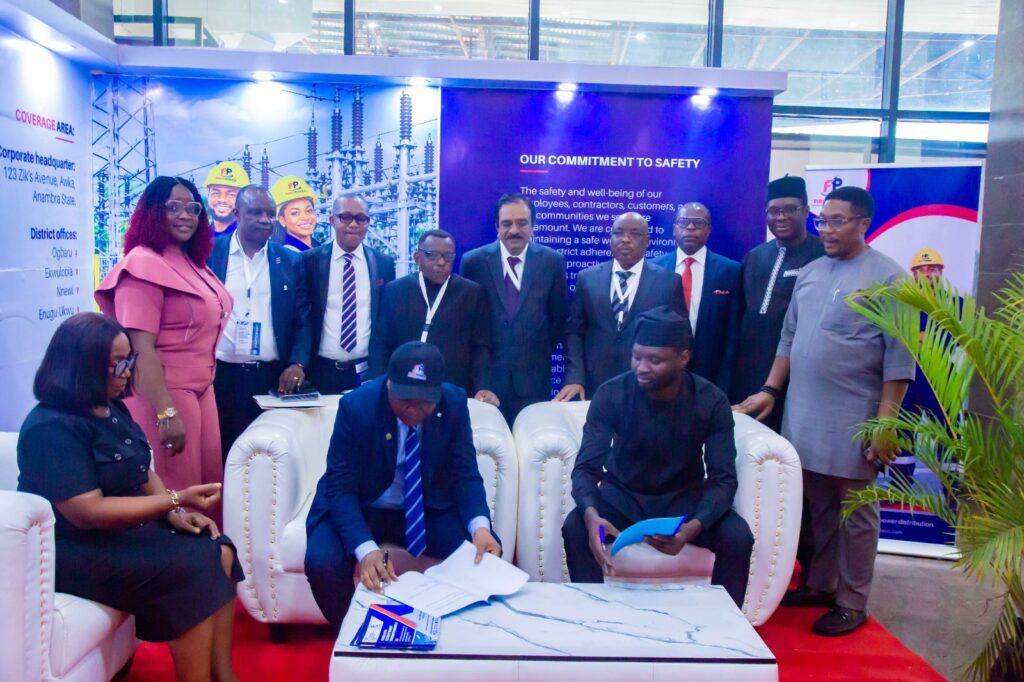
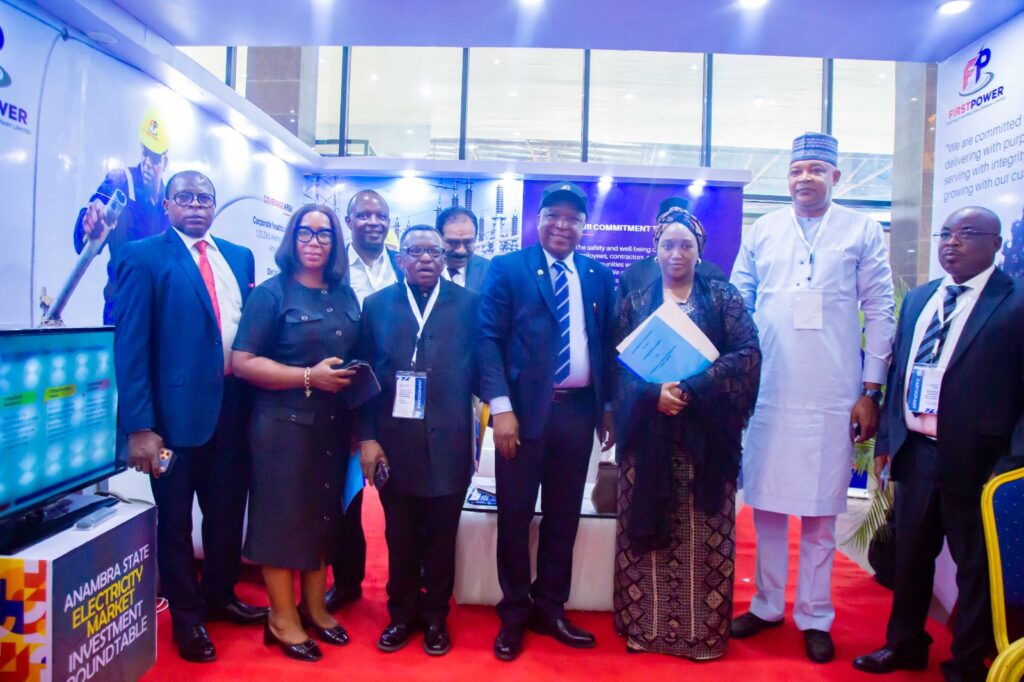
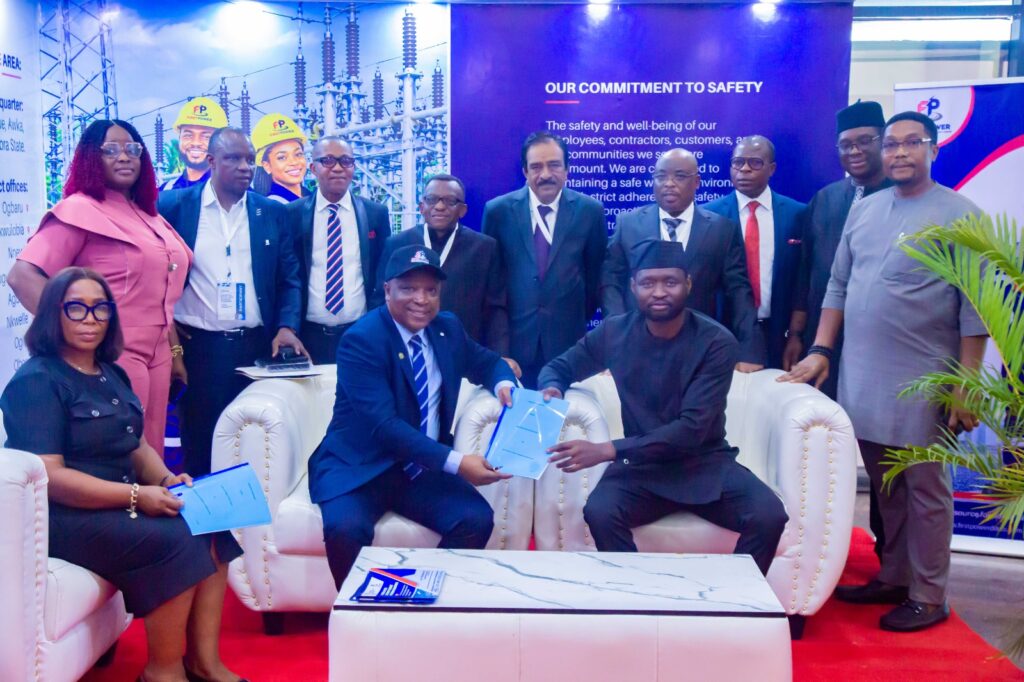
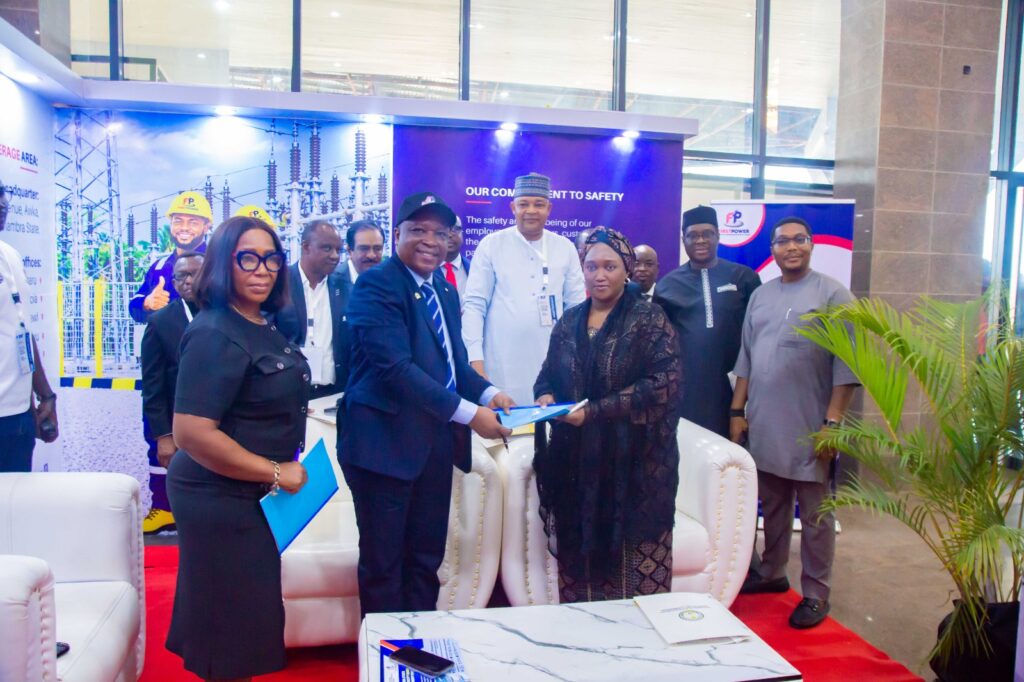
He reaffirmed the commitment of FirstPower Electricity Distribution Company Limited, an EEDC subsidiary, to supporting the governor’s vision.
“FirstPower Electricity Distribution Company Limited fully supports the governor’s vision and remains committed to contributing meaningfully to its achievement,” he said.
Also speaking, Chairman of ASERC, Prof. Frank Okafor, commended Soludo for driving innovation and reforms in the state’s electricity sector.
Okafor acknowledged the significant electricity deficit confronting Anambra, explaining that the investment roundtable was convened to bring relevant stakeholders together to develop practical and sustainable solutions.
He said collaboration among government institutions, regulators, investors and other industry players was essential to addressing the challenges and unlocking investment opportunities in the state’s electricity market.
Former Chairman of the Nigerian Communications Commission (NCC), Engr. Ernest Ndukwe, who chaired the roundtable, expressed confidence in Soludo’s capacity to deliver the desired transformation in the electricity sector.
Ndukwe also disclosed his personal interest in participating in the emerging electricity market, declaring, “I want to be a player in the electricity revolution that is coming up in Anambra State.”
He advised the state government to consider taking equity stakes in companies investing in electricity infrastructure, noting that government participation could serve as a strong signal of confidence and encourage other private investors.
Ndukwe further identified appropriate tariff methodology and a robust regulatory framework as critical requirements for attracting private capital and ensuring the sustainability of electricity market reforms.
He stressed that a transparent and predictable regulatory environment would be necessary to build investor confidence and support long-term infrastructure development.
The roundtable forms part of ongoing efforts to strengthen Anambra’s electricity market, attract private investment and establish a reliable power supply system capable of supporting the state’s industrial and economic ambitions.
#