News
Nigeria @ 66: Tinubu declares end to emergency economic reforms, shifts focus to prosperity

By Praise Chinecherem
President Bola Ahmed Tinubu has declared that Nigeria has moved beyond the emergency phase of its economic reforms, saying the Federal Government’s focus is now shifting from stabilisation to delivering shared and widespread prosperity.
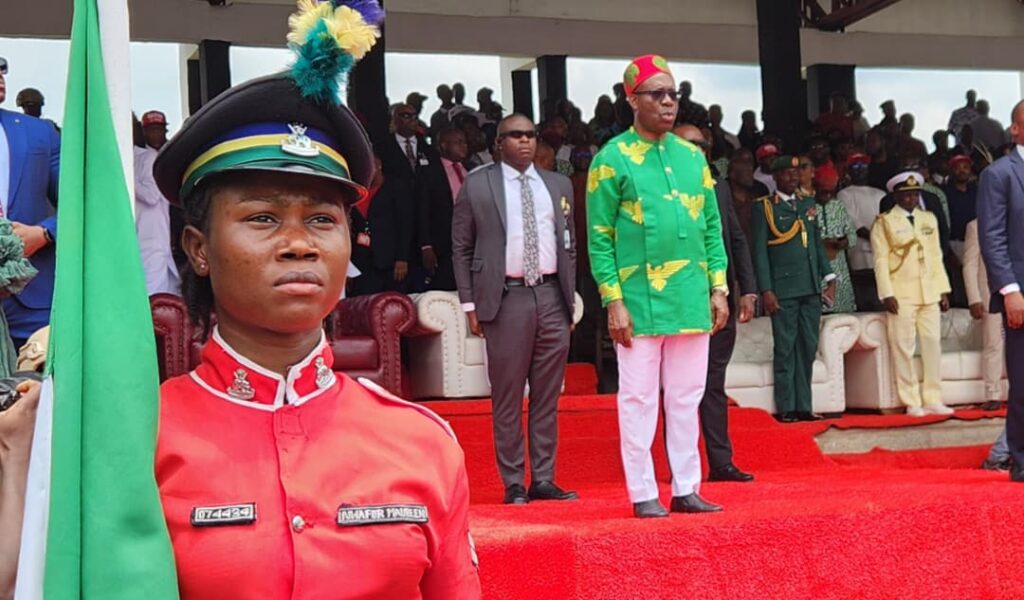
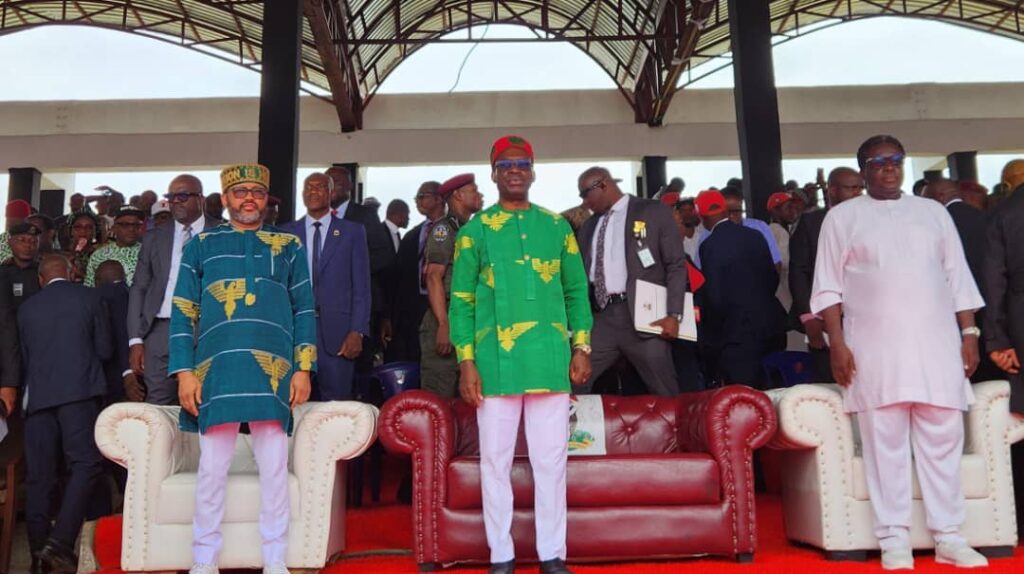
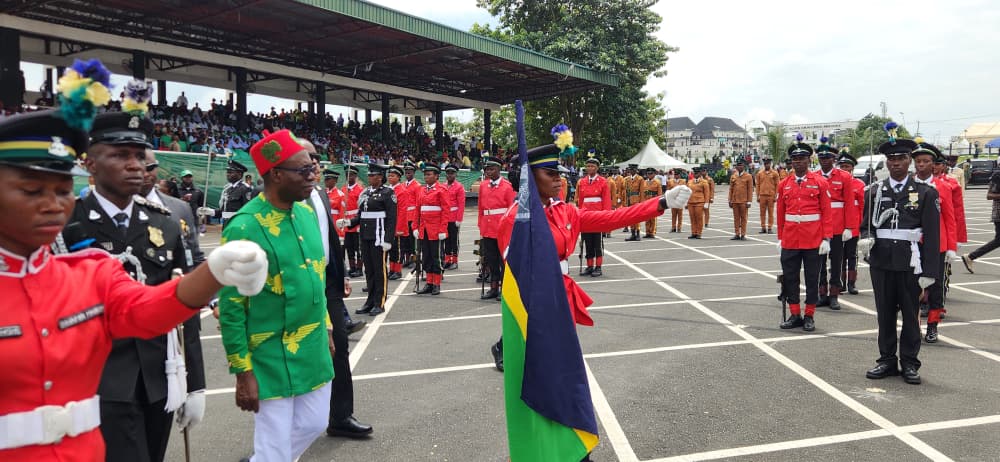
Tinubu made the declaration in his 66th Independence Day address to Nigerians on Thursday, October 1, 2026, titled “From Reform to Prosperity.” The address was read in Awka by Anambra State Governor, Chukwuma Soludo, at the Alex Ekwueme Square as part of activities marking the anniversary.
The President said the government’s immediate priority is to reduce the cost of living by lowering the cost of producing and transporting goods, with increased attention to agriculture, infrastructure, industrialisation and job creation.
According to Tinubu, the government will expand mechanised irrigation and dry-season farming, improve access to seeds and fertiliser, strengthen agricultural mechanisation and invest in storage and transportation.


He also said the government would continue to develop roads, railways and ports to improve the movement of goods from farms and factories to markets.
“Our priority is to bring down the cost of living. We will achieve this by lowering the cost of producing and moving the things Nigerians consume,” the President said.
Reflecting on the economic reforms introduced over the past three and a half years, Tinubu described the measures as difficult but necessary interventions to correct longstanding distortions in the Nigerian economy.
He said the reforms had begun to produce improvements, citing economic growth of more than four per cent this year, a decline in inflation from its peak, improved foreign-exchange market stability and increased foreign reserves.
Tinubu also said Nigeria recorded more than $6 billion in non-oil export revenues in 2025, which he described as the highest in the country’s history.
Declaring a new phase for the economy, the President said the government was moving away from emergency economic stabilisation towards broader prosperity.
“The emergency treatment is over. The foundation has been repaired. The central economic task before us has changed,” Tinubu said.
“For three years, our overriding purpose was to correct our nation’s course. Now, our purpose is simple: shared and widespread prosperity.”
The President said the next phase would focus on creating productive opportunities for Nigerians, particularly young people, while strengthening industries, expanding digital connectivity and improving access to finance and infrastructure.
He said the government would also continue social support programmes for vulnerable Nigerians, including interventions in education, healthcare and household assistance.
Tinubu acknowledged that millions of Nigerians still face difficulties meeting basic needs, stressing that the government’s objective was to build an economy capable of steadily lifting people out of poverty.
The President also commended Nigerians for their resilience over the past 66 years, recognising the contributions of farmers, traders, teachers, entrepreneurs and members of the Armed Forces and other security services.
He said the country had endured periods of war, military rule, economic crises, insecurity and political upheaval but had continued to move forward.
As Nigeria marks 66 years of independence, Tinubu said the country had reached a new stage in its economic journey.
“The age of reform has done its work. Now begins the age of prosperity,” he declared.
He urged Nigerians to look ahead, saying the country had “corrected its course” and should now concentrate on building an economy where prosperity is broadly shared.
“Let us go forward together, with faith in ourselves, faith in our country, and faith that the sacrifices we have made will yield their reward,” Tinubu said.

#