News
Anambra Information Commissioner Mefor Faces Backlash over Debt Claims Against Peter Obi

By Olisemeka Sony
The Anambra State Commissioner for Information and Value Reorientation, Dr. Law Okwu Mefor, has faced criticism on social media following the publication of a government statement alleging that former Governor Peter Obi left outstanding loans valued at approximately N127.4 billion when he left office in March 2014.
The statement, titled “Gov Peter Obi and Record of Public Debt in Anambra: Facts Beyond Propaganda and Lies,” was issued in response to Obi’s public denial that he left unpaid financial obligations at the end of his administration.

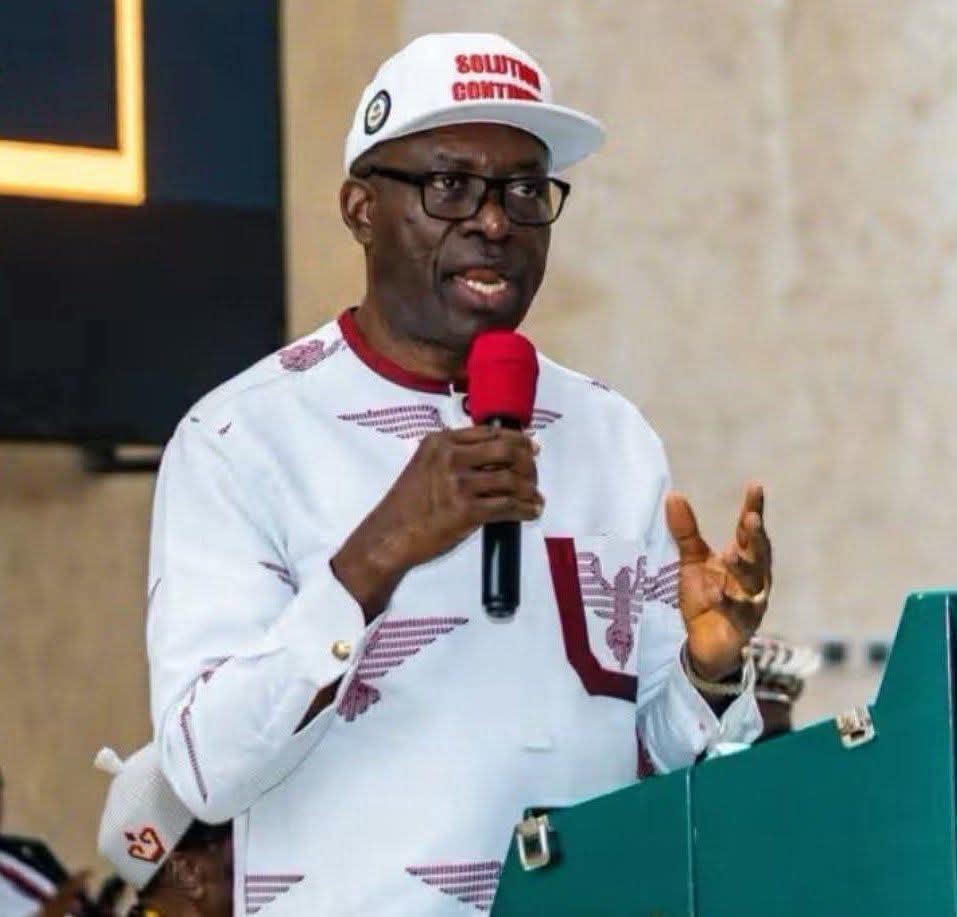
According to the Anambra State Government, eight external borrowing facilities linked to projects implemented during Obi’s tenure remained outstanding. The government put the original value of the loans at approximately $123.77 million, with an outstanding balance of $92.35 million. It said the balance was equivalent to N127.4 billion as of June 30, 2026, based on the official exchange rate.
The government attributed the figures to the Debt Management Office (DMO), stating that the loans supported projects in healthcare, malaria control, education, erosion management, community development and agriculture.
Defending the administration’s position, Mefor argued that borrowing for productive development was not inherently problematic, noting that governments and businesses often rely on debt to expand.

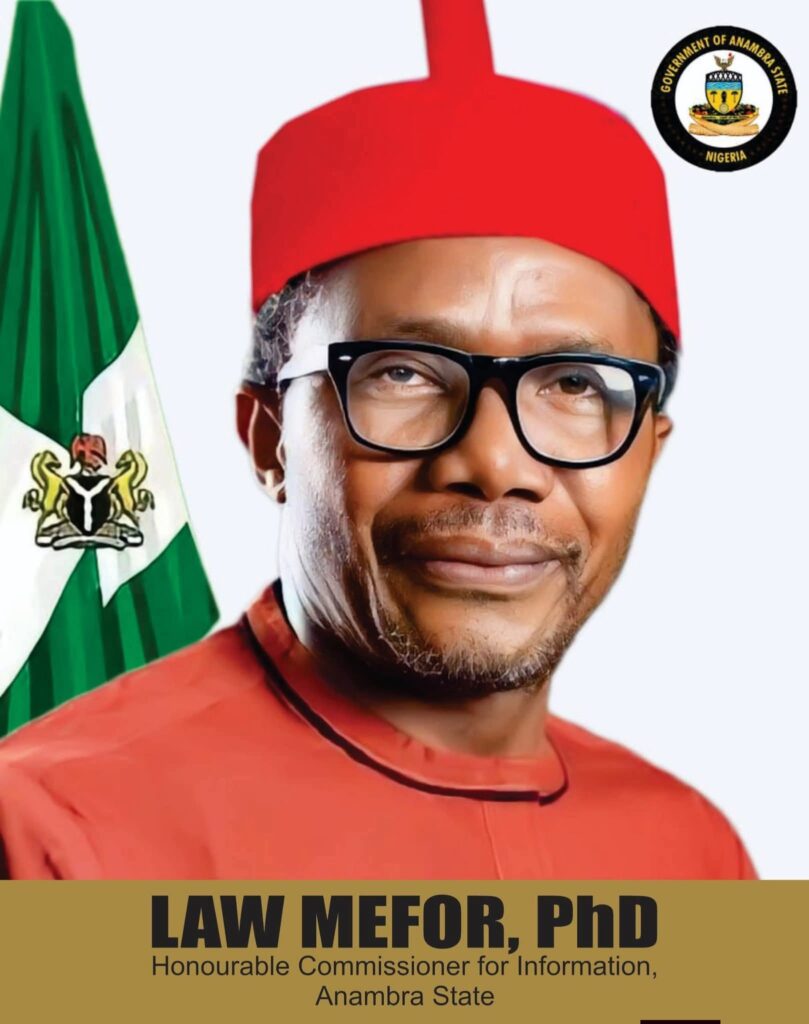
“Hardly any government in the world has zero debt stock. The issue is not whether or not borrowing is good: no business or government can scale significantly without some debt.”
The commissioner added that Anambra residents would not necessarily oppose borrowing to finance productive investments, including schools, hospitals, water infrastructure and human capital development.
Obi’s Response and Unresolved Questions
The debt controversy followed Peter Obi’s rejection of claims that he left unpaid obligations when he handed over power on March 17, 2014.
Obi maintained that his administration did not owe salaries, pensions, gratuities, contractors or suppliers whose completed work had been properly processed for payment. He also challenged the Soludo administration to provide documentary evidence supporting its allegations.

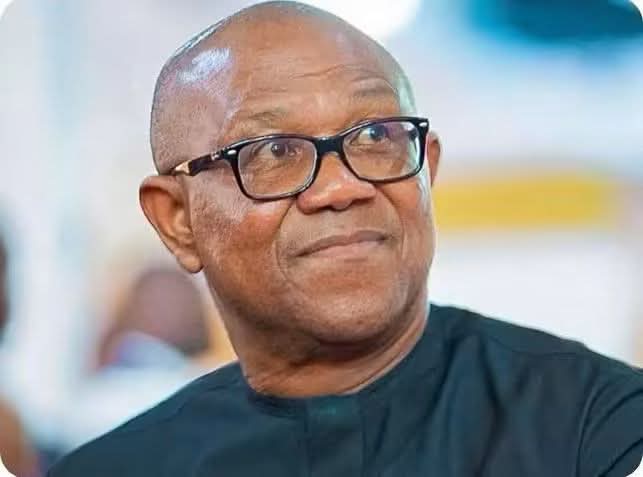
In addition, the former governor referred to funds he said he had left in a First Bank account for ecological intervention projects.
The Anambra State Government, however, disputed Obi’s account of the ecological funds. It stated that its examination of the bank account he cited did not establish the existence of the claimed balance.
A key issue in the dispute is whether the loans identified by the government represent direct financial liabilities of the Anambra State Government, obligations arising from federally supported development programmes, or financing arrangements involving multiple parties. Establishing the precise legal and financial responsibilities associated with each facility would require a review of the relevant loan agreements, disbursement records and repayment obligations.
Public Backlash and Political Context
Mefor’s statement has triggered criticism from social media commentators, including supporters of Peter Obi, who is seeking the presidency in the 2027 election.
Following the circulation of documents reportedly submitted by Obi, alongside old videos in which former Governor Willie Obiano appeared to acknowledge funds left by Obi, commentators began questioning the accuracy, interpretation and timing of the Anambra government’s claims.
Some critics have also questioned whether the government adequately distinguished between federal financing arrangements, project implementation and the state’s actual outstanding liabilities.
These criticisms, however, remain part of an ongoing public debate. The underlying financial records and competing interpretations have not been comprehensively reconciled in an independently examined public report.
Social Media Reactions
The controversy has generated critical responses on social media. The following comments were observed in the comment section of a Facebook post published by Mefor:
Joseph Emefo criticised what he described as divisive political conduct, writing:
“If I were you, I would refuse to be used in fighting another man’s battle.”
Valentine Obiorah criticised the Soludo administration, stating:
“To work under Soludo, you must suspend your thinking cap, forget your upbringing and become a zombie.”
Joe Atueyi questioned the methodology behind the government’s presentation and called for official documentation from the Debt Management Office.
“The FG’s Debt Management Office (DMO) has the verified documented debt records of every state and the FG government for any period in time.”
Atueyi argued that certified records showing Anambra’s outstanding obligations at the time of Obi’s departure would provide a more definitive basis for resolving the dispute.
In a separate reaction, Oscar Metuh expressed disappointment with Mefor and questioned the implications of the commissioner’s statement for his public reputation.
“Power is transient and so we must exercise it with caution, fairness and above all unalloyed truthfulness, so that posterity may be kind to the wielder!”
Other commentators, including Chukwudi Emmanuel Anyaefiena and Ken Odibendi, suggested that political considerations linked to the 2027 presidential election were influencing the controversy. These assertions represent the opinions of individual commentators and have not been independently established.
Political Implications
The dispute is unfolding against the backdrop of the 2027 presidential election, in which Peter Obi is seeking the presidency.
Critics of the Anambra State Government have interpreted the public exchanges as politically motivated, while the administration has framed its position as an issue of financial transparency and accountability.
Neither interpretation, by itself, resolves the underlying questions about the loans, their contractual structure or the state’s repayment obligations.
The central issue remains the reconciliation of historical borrowing records, federal development financing arrangements and the financial liabilities inherited by successive administrations.
Until the relevant documentation is independently reviewed, the N127.4 billion figure should be presented as the Anambra State Government’s reported assessment of outstanding loan balances, not as a conclusively established finding of personal liability against Peter Obi.
A transparent reconciliation involving the Debt Management Office, relevant financial institutions and the Anambra State Government could help clarify the origin of the loans, their outstanding balances and the parties legally responsible for repayment.
The controversy highlights the importance of accurate public debt reporting, documentary evidence and institutional accountability when governments debate the financial records of previous administrations.
#