News
UNIZIK Don to Nigerians: Stop Blaming Leaders Alone—Your Votes Also Shape Bad Governance

By Praise Chinecherem
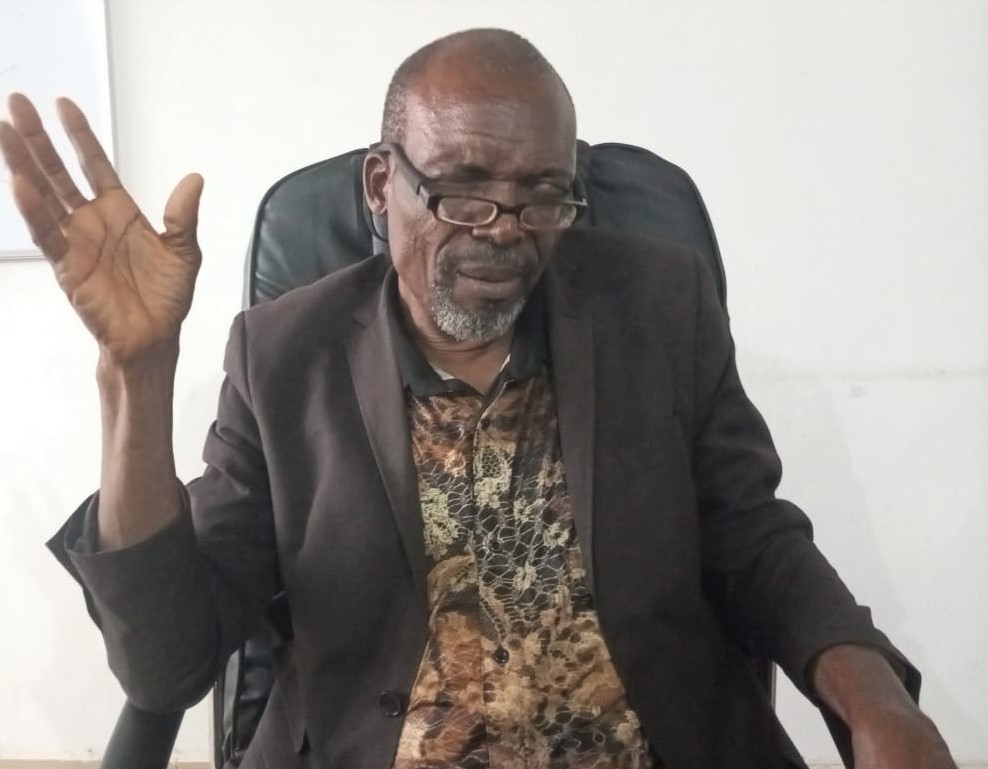
A Professor of Public Administration at Nnamdi Azikiwe University, Awka, Jude Okafor, has challenged Nigerians to look beyond political leaders when discussing bad governance, urging citizens to examine how their own choices and actions contribute to sustaining the country’s political system.
Okafor, the immediate past Head of the Department of Political Science at the university, said the quality of governance in any society was closely connected to the conduct, choices and attitude of its citizens.
Speaking on the relationship between leadership and followership, the don argued that good governance could not be achieved through responsible leadership alone, stressing that citizens must also be active, informed and willing to demand accountability from those in power.
He identified vote buying as one of the practices undermining democratic accountability, warning that voters who accept money from politicians in exchange for their votes compromise their moral authority to hold elected officials accountable.
“Once you do that, they have settled you. So where is the conscience again that you will go and ask them, why did you do this? Why did you do that? When they have paid you off?” Okafor asked.
According to him, vote buying effectively turns elections into transactions, where politicians exchange immediate financial benefits for electoral support rather than earning votes based on competence, integrity and capacity to serve.
He explained that politicians who spend huge sums of money to win elections would naturally seek to recover their investments after assuming office, creating an environment that could encourage corruption and weaken public accountability.
“When elections become an investment, there is always the temptation to recover what was spent,” he said, noting that the practice could ultimately come at the expense of effective governance and public service.
Okafor maintained that citizens must understand that their political choices have consequences, arguing that Nigerians cannot continuously complain about poor governance while participating in practices that weaken the democratic process.
He stressed that building a better society required sacrifice from both leaders and citizens.
“You cannot have a good society without sacrifice,” he said.
The professor, however, cautioned against placing the burden of sacrifice entirely on ordinary citizens, insisting that political leaders must equally demonstrate responsibility, integrity and a willingness to make sacrifices for the public good.
He also emphasised the importance of responsible followership in nation-building, noting that citizens are not powerless in the face of government policies.
According to him, organised citizens have the capacity to influence government decisions when they collectively demand accountability and challenge policies that run contrary to the public interest.
He cited the role of Nigerian students in opposing unpopular government policies as an example of how collective civic action could compel authorities to reconsider certain decisions.

Okafor urged Nigerians to therefore move beyond merely complaining about bad leadership and begin examining the behaviours and choices that allow poor governance to persist.
He also called for greater civic education, particularly on the constitutional responsibilities of elected representatives.
The don said citizens should stop expecting legislators to personally execute development projects in their constituencies, explaining that the primary responsibility of lawmakers is to represent constituents through legislation, motions, policy advocacy and oversight.
He explained that legislators are expected to identify the needs of their constituents, articulate those needs through bills and motions, push for their inclusion in government policies and budgets, and exercise oversight to ensure that approved programmes are implemented.
According to him, citizens who understand these constitutional responsibilities would be better positioned to demand accountability from their representatives rather than rewarding them for projects that fall largely within the responsibilities of the executive.
Okafor called for a fundamental change in the relationship between Nigerian leaders and followers, urging citizens to stop treating elections as opportunities for temporary financial benefits.
Instead, he said elections should be regarded as a critical mechanism for determining the direction of the country and selecting leaders based on competence, integrity and capacity to serve.
The professor maintained that the responsibility for building a better Nigeria could not be left to politicians alone.
He urged citizens to contribute through responsible political participation, civic vigilance and a willingness to place the common good above immediate personal interests.
As the country approaches another electoral cycle, Okafor challenged Nigerians to rethink their role in the political process, stressing that the quality of governance would ultimately depend not only on the leaders elected but also on the standards citizens are prepared to demand from them.
For the UNIZIK don, tackling bad governance therefore requires more than replacing political leaders—it requires citizens to change the behaviours, incentives and choices that allow poor governance to survive.