News
Peter Obi Reacts to ‘Unverified Certificate’ Saga: “We Are Planting Poison in the Soul of Our Society”

By Our Reporter
Presidential candidate of Nigeria Democratic Congress, NDC, Mr. Peter Obi, has reacted to the controversy surrounding alleged “unverified certificates,” warning that excusing questionable academic credentials could have serious consequences for Nigeria’s institutions and future.
In a strongly worded statement, the former Anambra State Governor and Labour Party presidential candidate, argued that the issue should not be viewed through the lens of political loyalty or the identity of the person involved, but rather as a question of standards, accountability and integrity in public life.
He said a nation that tolerates unverified academic credentials at any level of leadership risks weakening the standards upon which society depends.
“By making excuses for unverified certificates, we are planting poison in the soul of our society.”
Obi stressed that Nigerians should not excuse credentials that are blurred, missing, questionable or yet to be properly verified simply because they belong to a political figure or individual they support.
According to him, the process through which individuals attain positions of responsibility is just as important as their performance after assuming office.

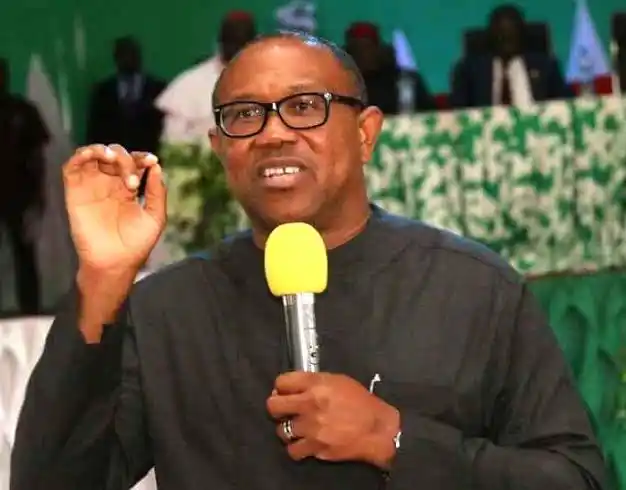
“How we get into leadership is as important as what we do with leadership,” he stated.
The former presidential candidate warned that normalising the abandonment of basic verification could create a dangerous precedent across critical professions.
He argued that if society becomes comfortable with unverified qualifications, it could eventually reach a point where individuals occupy highly sensitive professional positions without having obtained the qualifications required to perform those roles.
“If we normalise the abandonment of basic verification today, tomorrow we may have professors who never attended a university, doctors who never studied medicine, and judges who never studied law.”
Obi maintained that Nigeria must not allow political allegiance or “transactional politics” to override the importance of truth, due process and institutional standards.
He called for a society where standards are applied consistently, regardless of political affiliation or personal sentiment.
“We must build a society where truth is not partisan, standards are not negotiable, and accountability applies equally to everyone.”
He further argued that history would judge Nigerians not only by the individuals they defended, but also by the principles they were prepared to uphold when doing so was politically inconvenient.
“We must choose truth over convenience, standards over sentiments, and the future over political expediency.”
Obi concluded by reiterating his belief that a “New Nigeria” is possible, but said achieving such a society would require citizens and leaders alike to uphold integrity even when doing so comes at a personal or political cost.
“A New Nigeria is possible, but only if we are willing to do the right thing, even when it is inconvenient.”
The remarks come amid ongoing public debate over the verification and authenticity of academic credentials in Nigerian public life. Any specific claims regarding an individual’s qualifications or the status of particular certificates should, however, be established through credible institutional records and official verification processes.