News
Tradition or Discrimination? The Fight Over Women’s Voting Rights in Anambra’s Igwe Elections

By Ukpa Ewa
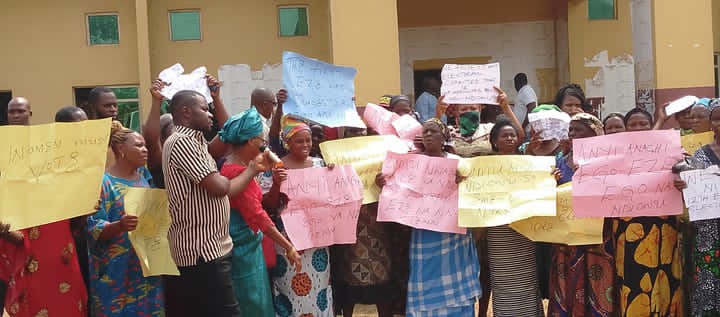
Women in Anambra can vote for Nigeria’s President. They can decide who becomes governor, senator or member of the House of Representatives. Yet, in some communities, they cannot vote for the traditional ruler whose decisions shape their everyday lives. It is one of the least discussed contradictions in Nigeria’s democracy.
Across Anambra State, women are traders, farmers, professionals, entrepreneurs and community builders. They finance development projects, mobilize during elections and sustain local economies.
But when the time comes to choose an Igwe—the traditional ruler who oversees land matters, mediates disputes, influences development projects and represents the community—many women are reduced to spectators. Their votes suddenly no longer count.
This investigation examines how centuries-old customary practices continue to exclude women from Igweship elections in parts of Anambra State, raising difficult questions about constitutional rights, gender equality and the future of traditional governance.
For many affected women, the issue goes beyond voting. It is about recognition.
“Tradition Is Not The Same Everywhere”
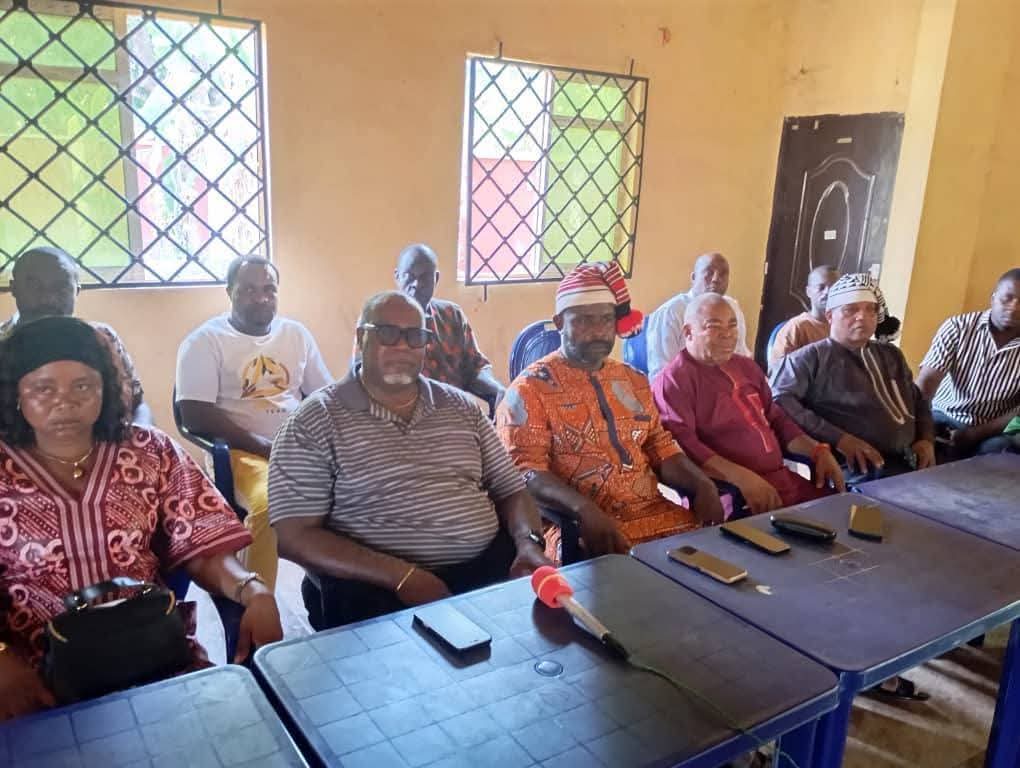
Not every community operates the same system. The Chairman of the Anambra State Traditional Rulers Council, Igwe Chidubem Iweka, says Igweship traditions differ widely across Anambra.
“In the olden days there were female kings who were quite prominent and they reigned. It all depends on the community.”
He pointed to communities such as Umueri, where women serve as chiefs and participate in certain traditional structures. However, he explained that many communities still maintain separate leadership systems for men and women.
“The African tradition is ancient… It will vary from community to community. Maybe eventually women’s participation will become accepted in more communities. It is left for women to continue pushing for it.”
Even so, he urged traditional rulers to embrace inclusiveness rather than discrimination.
A New Monarch Promises Reform
The newly recognised Igwe Ezedioranma of Ndiowu, Chibuzor Okeke-Ifi, believes the conversation should not end with his coronation. Following his recognition by the Anambra State Government, he pledged to review existing traditional guidelines.
“We will look at how accommodating we can be so that governance becomes more inclusive. It is something I intend to address as quickly as possible.”
His remarks suggest that reform may be possible—even within traditional institutions.
“Women Should Vote”
Not all traditional rulers support excluding women.
The traditional ruler of Omasi and Chairman of the Anambra North Traditional Rulers Council, Igwe Benjamin Onukwube Okeji (Ezedioramma of Omasi), defended certain cultural practices while drawing a distinction between tradition and political participation.
Although he maintained that some traditional rites remain reserved for men, he was unequivocal on women’s voting rights.
“They are human beings. They have voters’ cards and voting rights. What is the difference between voting in national elections and voting for a traditional ruler?”
He added that women in Omasi receive chieftaincy titles, sit in his cabinet and contribute to community decision-making.
“Those who deny women their rights—I do not support that.”
The Invisible Voters
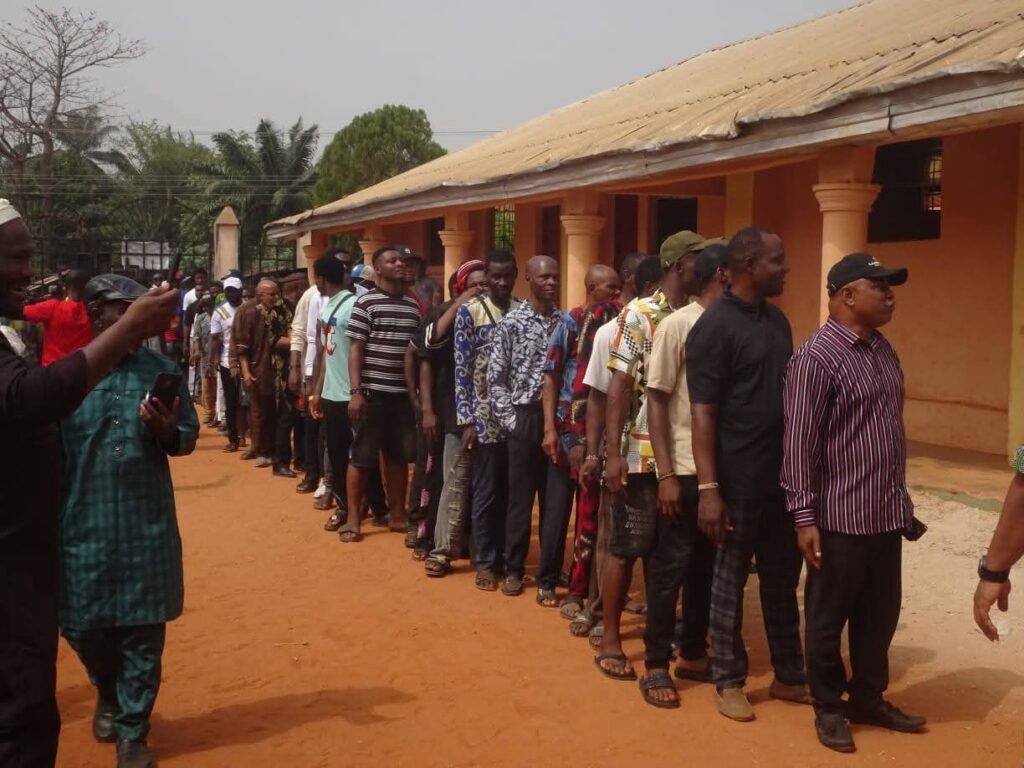
The irony is impossible to ignore.Women queue for hours during national elections. They campaign. They mobilise voters. They help determine who governs Nigeria. Yet in some communities, when the process of choosing an Igwe begins, they disappear from the voters’ register—not by law, but by custom. Leadership decisions become exclusively male affairs.
For many women interviewed during this investigation, that exclusion represents more than the denial of a ballot. It is the denial of equal citizenship within the very communities they help sustain.
Constitution Versus Custom
Can tradition override the Constitution?Human rights lawyer Dr. Jerry Okeke says the answer is no. Citing Section 42 of the 1999 Constitution, he argues that discrimination based solely on sex is unconstitutional.
“No community has the power to create a local constitution that takes away rights guaranteed by the Constitution of Nigeria.”
He argues that because an Igwe governs both men and women, excluding women from selecting that leader amounts to discrimination.
“That is the height of discrimination. An Igwe is not the king of men alone but of the entire community.”
Okeke also referenced the landmark Mojekwu v. Mojekwu decision, where discriminatory customary practices were declared inconsistent with principles of justice. According to him, any custom seeking judicial recognition must satisfy three legal tests: It must not offend natural justice, equity and good conscience. It must not conflict with existing law.
- It must not violate public policy.
He believes customs excluding women from Igweship elections fail those tests.
More Than A Vote
Supporters of reform insist this debate extends beyond symbolism. Traditional rulers influence:
- Land administration
- Community security
- Conflict resolution
- Development projects
- Relations with government
These decisions affect women every day.
Yet in some communities, women have no say in choosing the individuals who make them.
Development experts argue that broader participation strengthens—not weakens—traditional institutions.
Between Culture And Equality
No one disputes the importance of preserving culture. Traditional institutions remain custodians of identity, history and communal values across Igboland. But history also shows that traditions evolve.
Practices once considered untouchable have changed in response to constitutional values and changing social realities. The question confronting many Anambra communities is no longer whether culture should be preserved.
It is whether preserving culture requires excluding half the population from one of the community’s most important decisions.
The Question Anambra Can No Longer Ignore
Women are no longer asking only to build their communities. They are asking to help choose those who lead them.
As Nigeria continues to debate equality, governance and constitutional rights, the conversation has finally reached one of its oldest institutions. The central question remains:
Should women who can elect Nigeria’s President continue to be denied the right to vote for their own Igwe simply because they are women?