News
Foundation Urges End to S’East Suffering, Demands Care Widows, Orphans, Elderly

By Our Reporter
Ikenga Abiama Dynasty Foundation of Igboland, a foremost non-profit organization has called on governments at all levels, community leaders, development partners, and civil society organisations to prioritize the welfare of vulnerable citizens and pursue peaceful pathways to sustainable development in the South-East.
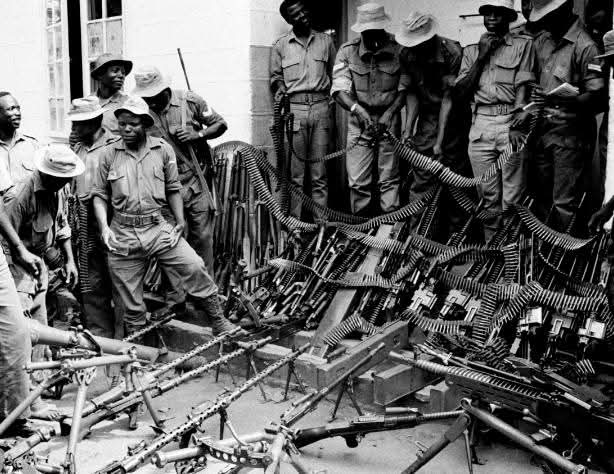
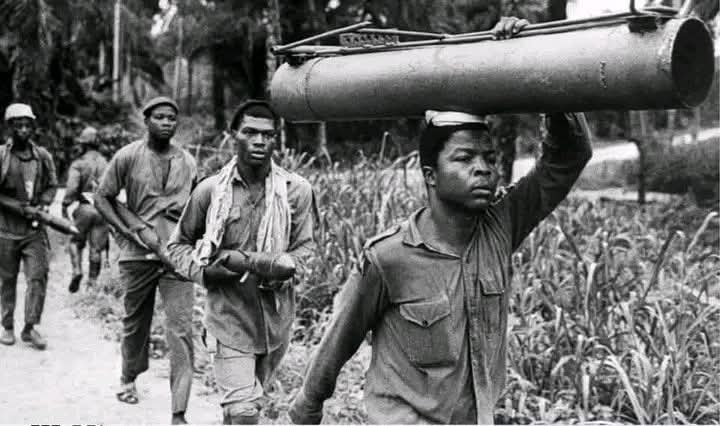
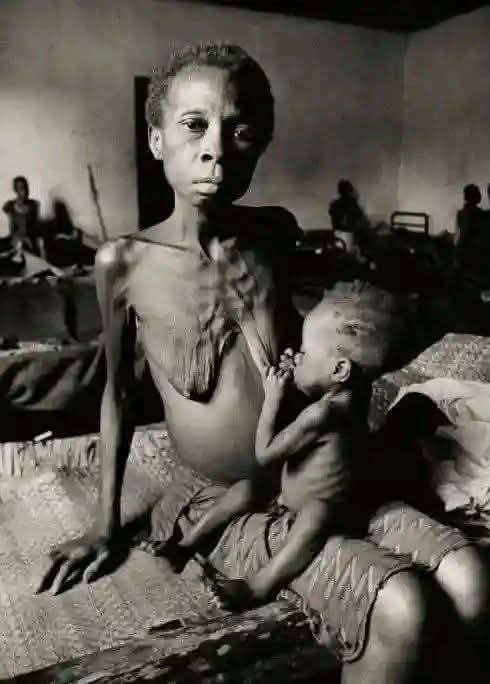
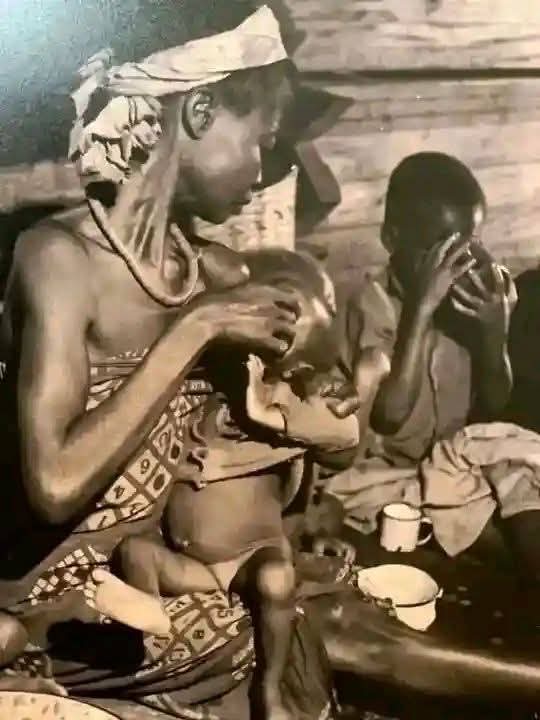
The Foundation said in a statement issued on Saturday, on the occasion of 2026 edition of Biafra Remembrance Day, that the event should serve not only as a solemn tribute to the millions affected by the Nigerian Civil War of 1967–1970, but also as a call to confront the humanitarian and socio-economic challenges that continue to burden many communities in the region.
The statement signed by its Founder and Chairperson, HIRM Dr Uba Iwunwa (Queen Ugobeze), and General Secretary, Chief Amb. Olisemeka Obeche, noted that widows, orphans, out-of-school children, the elderly, and low-income families remain among the most vulnerable groups requiring urgent attention.
“Remembrance is meaningful only when it inspires action. We honour the memories of those who died during the civil war, but we must also commit ourselves to protecting those who continue to suffer from poverty, insecurity, social exclusion and economic hardship,” the Foundation stated.
According to the organisation, many widows across the South-East continue to struggle with economic deprivation, inadequate social protection, and challenges relating to inheritance and property rights.
The Foundation also expressed concern over the growing number of out-of-school children and orphans whose futures are threatened by poverty, insecurity, displacement, child labour and trafficking.
It further lamented the plight of elderly citizens who face increasing difficulties accessing healthcare, nutrition and social support as traditional family structures continue to weaken.
On the prevailing security situation, the Foundation said criminal violence, kidnappings and other forms of insecurity have negatively impacted businesses, agriculture, education and healthcare delivery in many communities.
“The human cost of insecurity is enormous. Families are displaced, livelihoods are destroyed, businesses are disrupted, and young people are deprived of opportunities. No society can achieve meaningful progress under such conditions,” the statement said.





The Foundation also observed that rising inflation, unemployment and declining purchasing power have placed severe pressure on traders, artisans, farmers and other low-income households.
While acknowledging longstanding concerns over marginalisation and underdevelopment, the organisation maintained that violence and confrontation have only compounded the region’s challenges.
“History has taught us that violence produces more victims, more hardship and deeper divisions. The future of Igboland must be built through dialogue, peaceful engagement, economic empowerment and inclusive development,” it said.
The Foundation called on the Federal Government to expand social welfare programmes targeting widows, orphans, persons living with disabilities and vulnerable elderly citizens, while strengthening mental health and trauma support services for affected communities.
It also urged the governments of Abia, Anambra, Ebonyi, Enugu and Imo states to invest more aggressively in education, healthcare, youth empowerment, child protection and community peacebuilding initiatives.
The Foundation further appealed to local government authorities to improve service delivery and ensure greater transparency and accountability in the implementation of welfare programmes.
Religious and traditional leaders were encouraged to continue promoting reconciliation, social harmony and the protection of vulnerable groups, particularly women and children.
The organisation equally called on international development agencies and humanitarian partners to support programmes focused on education, healthcare, livelihoods, peacebuilding and community resilience.
“The greatest tribute we can pay to those who lost their lives during the civil war is to build a society where every child has access to education, every woman is protected, every elderly person is cared for, and every family can live in dignity and security,” the Foundation stated.
As Biafra Remembrance Day is observed across the world, the Foundation urged all stakeholders to move beyond rhetoric and embrace practical solutions capable of improving lives, healing divisions and strengthening communities.
“We remember the fallen. We honour their sacrifices. We recommit ourselves to building a future defined not by conflict, but by compassion, justice, unity and peace.”