News
SGBV: Stakeholders Demand Stronger Use of Sexual Offenders Register in Anambra

By Praise Chinecherem
Stakeholders in the justice sector in Anambra State have called for more coordinated and effective action to ensure the proper use of the Sexual Offenders Register as part of efforts to tackle Sexual and Gender-Based Violence (SGBV).
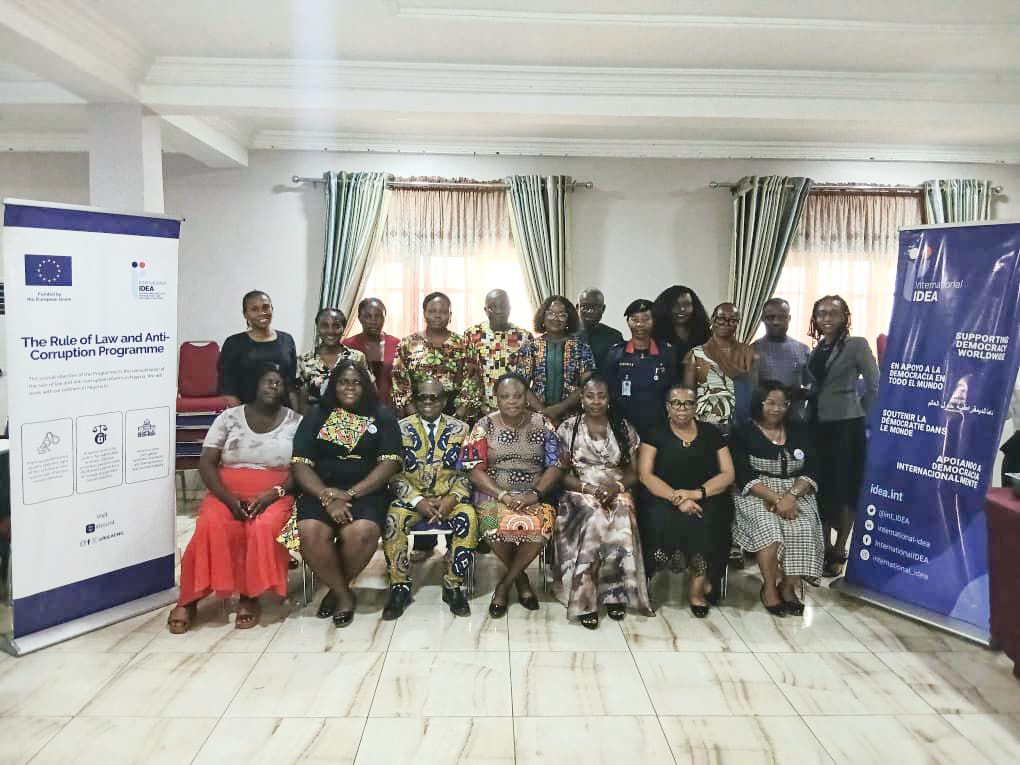
The call was made during a one-day engagement on “Strengthening Institutional Use of the Sex Offenders Register,” held in Awka for officials of the Ministry of Justice, judiciary, police, correctional services, and civil society organisations. The programme was implemented by the Rule of Law and Anti-Corruption (RoLAC) Programme with support from International IDEA.
Participants stressed the need for institutions, particularly law enforcement agencies, to fully take up their responsibilities in maintaining an accurate, comprehensive, and up-to-date Sexual Offenders Register.
They also urged the government to provide adequate funding for the management of SGBV, Gender and Human Rights (GHR), and Gender-Based Violence (GBV) cases, including support for victims, forensic kits, and psychosocial services.
Speaking at the event, the Register Contact Person for the National Sexual Offenders Register, Isa Abdulkareem, explained that beyond keeping proper records of offenders and suspects, the police must collaborate closely with agencies such as the National Agency for the Prohibition of Trafficking in Persons (NAPTIP) and service providers under the SPARK initiative to ensure timely documentation of offenders.
Stakeholders also charged the police to uphold professionalism, accountability, and integrity in handling SGBV cases, warning that corruption and informal settlements undermine justice and weaken the effectiveness of the register.
Earlier, State Coordinator of the RoLAC Programme, Dr. Josephine Onah, said the engagement was designed to deepen stakeholders’ understanding and strengthen the operational use of the Sexual Offenders Register as a tool for curbing SGBV in the state.
Also speaking, a judge of the Anambra State Special Court, Justice Peace Otti, commended RoLAC for supporting the establishment of special magistrate and high courts dedicated to GBV cases.
She noted that the court now allocates two days weekly to GBV matters, a move that has significantly improved the speed of justice delivery for victims.
Justice Otti called for more proactive measures from stakeholders to eliminate sexual violence, particularly against minors, which she described as unacceptable.
She, however, expressed optimism that increased attention and interventions are beginning to reduce such cases.
From the civil society perspective, the State Coordinator of SPARK, Rachael Yohana, raised concerns that police out-of-court settlements in SGBV cases often prevent offenders from being entered into the register. Similarly, the State Commandant of NAPTIP, Judith Ibadin, urged stakeholders to ensure that no verified case goes undocumented.

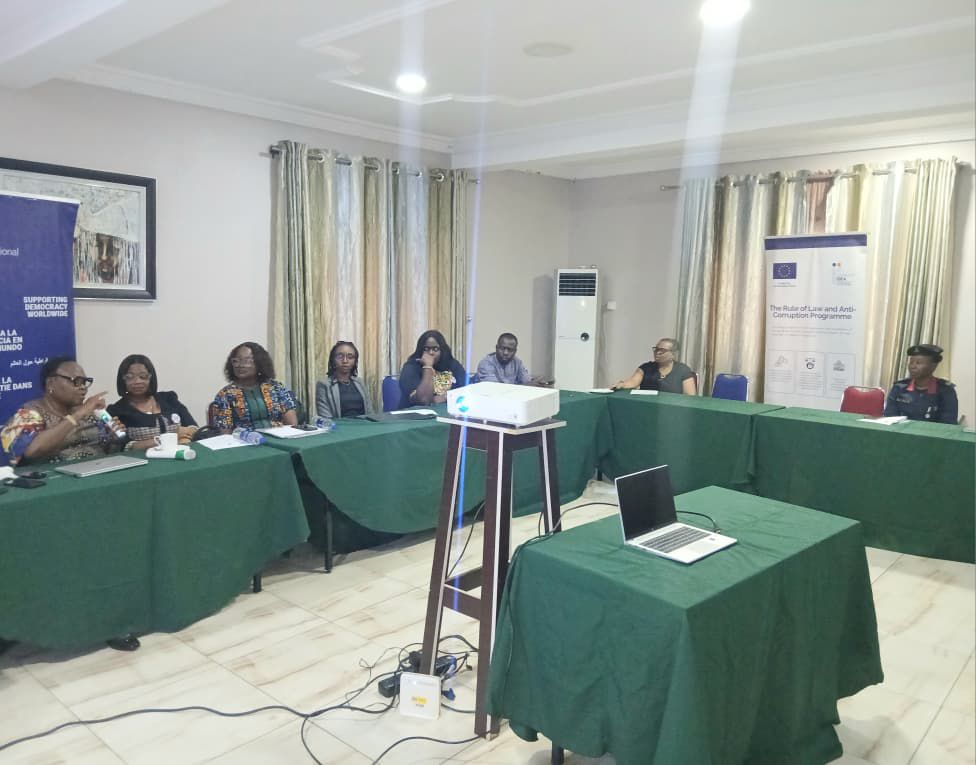
The engagement also served as a platform to review the roles and responsibilities of key actors in strengthening the register as a tool for accountability and deterrence.
On inclusivity, Chairman of the Disability Rights Commission (DRC), Barrister Chuks Ezewuzie, advocated the adoption and government sponsorship of DNA testing to ensure accurate evidence and improve prosecution outcomes, especially in cases involving persons with disabilities.
At the end of the session, participants agreed to intensify advocacy efforts directed at the police and NAPTIP to support civil society organisations in tracking and following up on SGBV cases, while ensuring that offenders are properly documented in the Sexual Offenders Register.