News
TB Network Raises Alarm Over DR-TB Underfunding, Poor Media Coverage in Nigeria

By Praise Chinecherem
The Civil Society for the Eradication of Tuberculosis in Nigeria (TB Network) has raised concerns over inadequate media coverage and funding for Drug-Resistant Tuberculosis (DR-TB), urging journalists to intensify public awareness campaigns and hold relevant authorities accountable for the fight against the disease.
The organisation blamed the persistent information gap surrounding tuberculosis on limited public awareness, misconceptions about the disease and insufficient commitment to sustained media reporting.
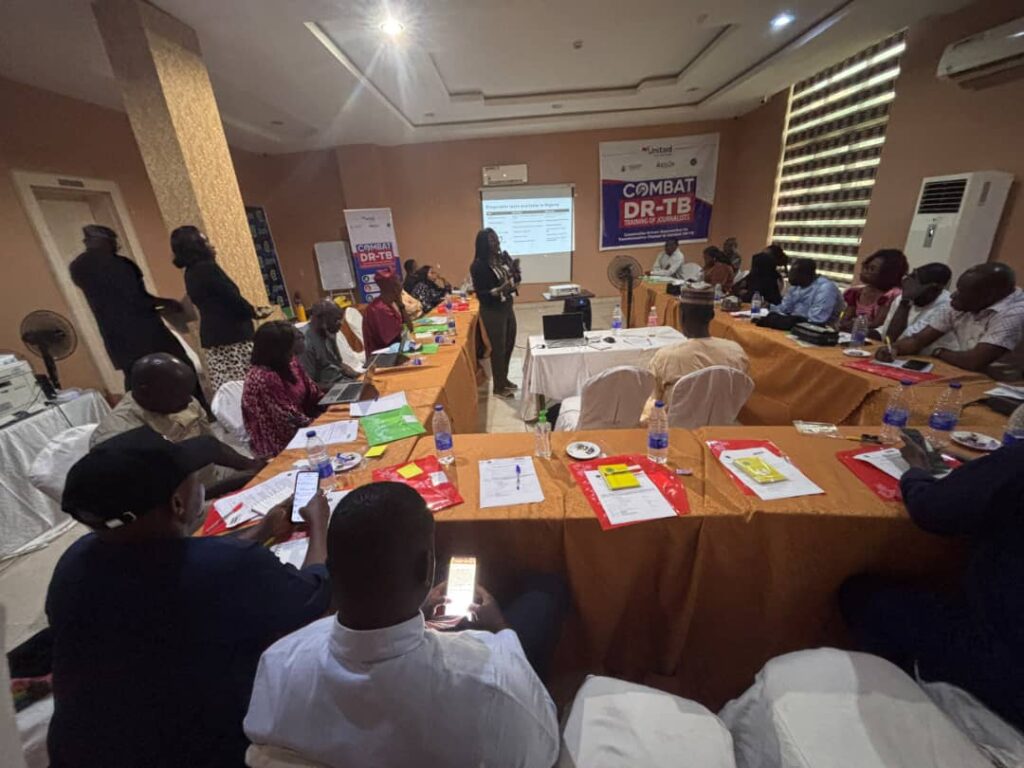
National Coordinator of TB Network, Olayide Akanni, made the call on Wednesday in Abuja while declaring open a three-day training programme for local journalists on DR-TB coverage and reporting.

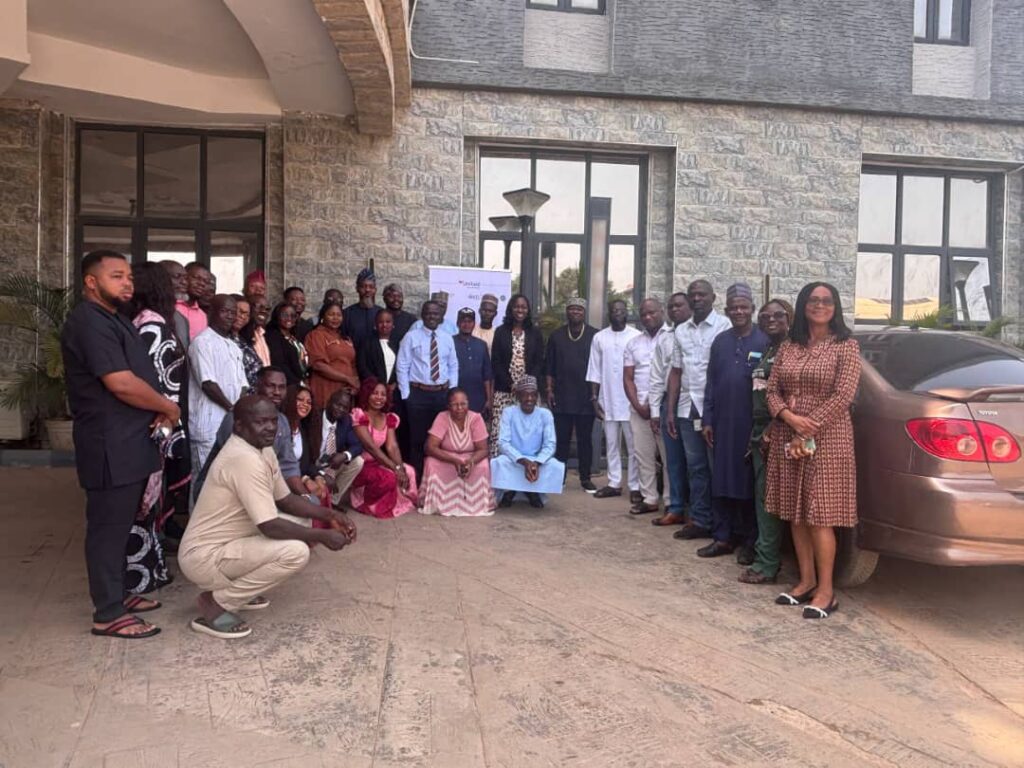
Akanni urged media practitioners to counter misinformation, challenge the stigmatisation of patients and promote early diagnosis and treatment through consistent, accurate and evidence-based reporting.
“So many lives have been lost to TB due to lack of public awareness occasioned by underreportage and underfunding. Stigmatisation is prevalent. Media practitioners must be passionate about TB by ensuring the issue is always in the news,” she said.
She explained that the training was designed to strengthen the media’s contribution to Nigeria’s tuberculosis response by equipping journalists with practical knowledge of TB and DR-TB management, the national disease burden, progress made and existing challenges.
According to her, participants would also acquire basic skills in interpreting tuberculosis data and research findings, developing engaging, evidence-based public interest stories and designing effective media reporting plans.
“We will, in the course of the training, provide journalists with basic skills in interpreting TB data and research findings, build their capacity to develop clear, engaging, evidence-based public interest stories,” Akanni said.
She added that the programme would support the development and implementation of a TB/DR-TB media reporting plan, while providing mentorship to encourage regular and sustained coverage of the disease.
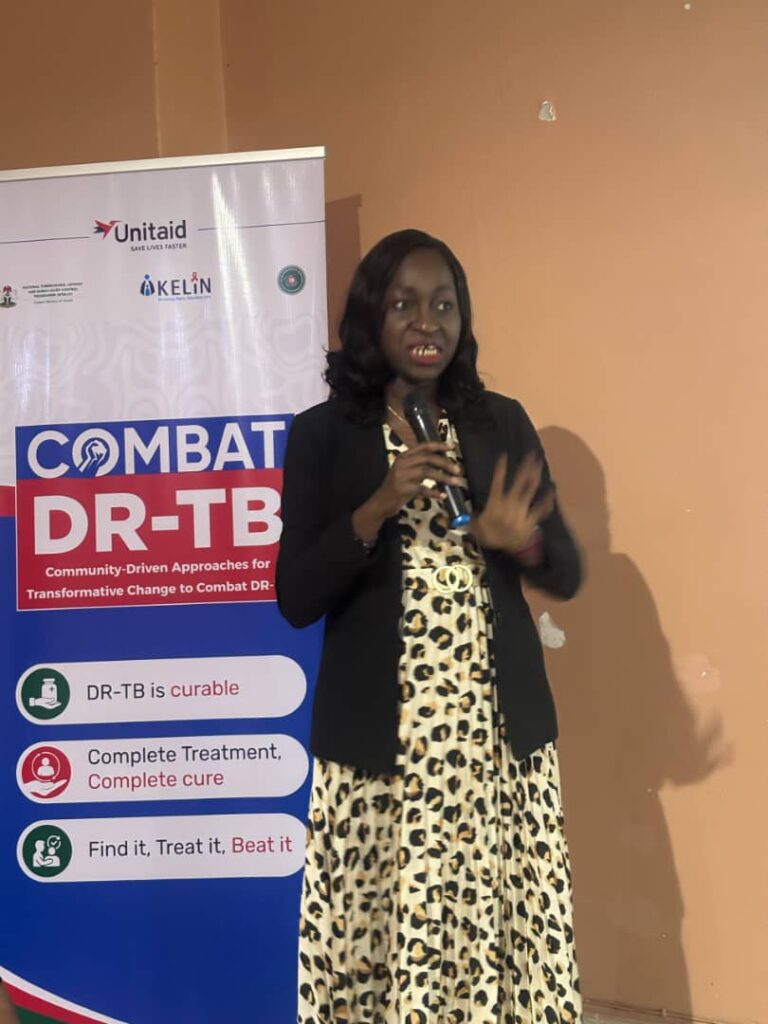
Akanni disclosed that TB Network, described as a principal recipient of the Global Fund Grant Cycle 7, had been working with the Nigerian government to expand access to DR-TB treatment and care across the country.
“Since 2004, we have supported treatment for over 3,700 Drug-Resistant Tuberculosis patients. We have also supported quality improvement programmes in 20 states across the country,” she said.
She explained that the interventions were aimed at addressing gaps in DR-TB services and supporting the government in achieving its strategic health sector objectives.
The national coordinator commended the organisation’s funders for their support and appreciated the participating journalists for their willingness to strengthen their knowledge of tuberculosis reporting.
She described the training as a collaborative effort requiring sustained engagement among the media, government, civil society organisations and development partners to curb the spread of DR-TB.
FCT TB Coordinator Calls for Grassroots Awareness
Also speaking, the TB/DR-TB Focal Person in the Public Health Department of the Federal Capital Territory, Henry Ofordu, described journalists as critical partners in promoting accountability and ensuring broad public participation in the fight against tuberculosis.
Ofordu expressed concern over persistent misconceptions about the disease in communities, including doubts about its existence and misunderstandings about how it spreads.
He called for more aggressive grassroots awareness campaigns to correct misinformation, improve public understanding and encourage people to seek appropriate medical care.
Similarly, Dr Bethrand Mamman of KNCV stressed the need to make tuberculosis a priority in national health discussions, urging state governments to demonstrate greater commitment by allocating adequate resources to prevention and control programmes.
TB Network Warns Against Overdependence on Donor Funding
The National Monitoring and Evaluation Officer of TB Network, Ebuka Nnodim, presented an overview of the Community-Driven Approaches for Transformative Change to Combat Drug-Resistant Tuberculosis (COMBAT DR-TB) Project, highlighting the importance of sustainable financing and stronger government ownership of tuberculosis control programmes.
Nnodim expressed concern over the dependence of state-level tuberculosis programmes on external funding, warning that declining donor support could disrupt essential interventions if governments failed to increase domestic allocations.
He stressed the need for sustainable funding mechanisms to ensure continuity of treatment, prevention and other critical TB services.
In a presentation on drug-resistant tuberculosis, Dr Jiya-Chitumu Eunice, Head of the Training Department at the National Institute of Public Health and Infectious Diseases, described TB as a major public health challenge requiring accurate reporting and sustained public education.
She urged journalists to humanise their stories, dispel myths and misconceptions about DR-TB, and hold relevant institutions accountable for their responsibilities in disease prevention and control.
Eunice emphasised that responsible reporting could help reduce stigma, improve public understanding and encourage people to seek timely diagnosis and treatment.
On her part, Blessing Ukpabi of the Institute of Human Virology Nigeria (IHVN) said the project aligned with broader efforts to strengthen domestic financing for tuberculosis interventions, particularly amid reductions in financial support from some international development partners, including the United States government.
24 Journalists Participate in COMBAT DR-TB Training
A total of 24 journalists drawn from 12 states and the Federal Capital Territory are participating in the training under the COMBAT DR-TB Project, with support from Unitaid.
The participating states are Anambra, Cross River, Ebonyi, Lagos, Osun, Borno, Delta, Taraba, Zamfara, Nasarawa and Kaduna, alongside the Federal Capital Territory.
The training is expected to strengthen journalists’ capacity to report accurately on DR-TB, improve public understanding of the disease and promote accountability in the implementation and financing of tuberculosis control programmes.
The initiative also underscores the importance of sustained media engagement in addressing misinformation, reducing stigma and ensuring that tuberculosis prevention, diagnosis and treatment remain prominent in public health discourse.
#