Newa
FG Reopens First Niger Bridge After 38 Days of Rehabilitation, Umahi Praises Tinubu

By Praise Chinecherem
The Federal Government on Thursday reopened the First Niger Bridge linking Onitsha, Anambra State, and Asaba, Delta State, following 38 days of rehabilitation works aimed at restoring safety and easing traffic on the critical transport corridor.
The reopening comes after the closure, initially scheduled from September 7 to 21, 2026, was extended due to persistent rainfall and other unforeseen circumstances that delayed the completion of the maintenance works.
The bridge, which was commissioned in 1965, underwent emergency repairs following the discovery of vandalised structural components, including sections of its expansion-joint steelwork.
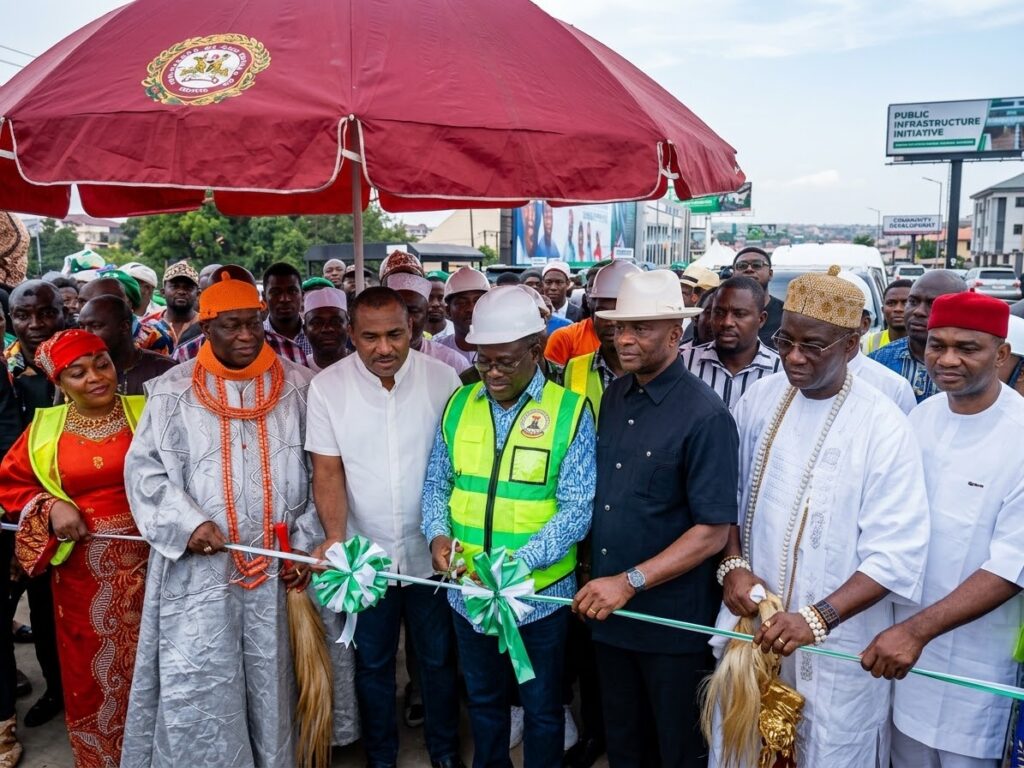
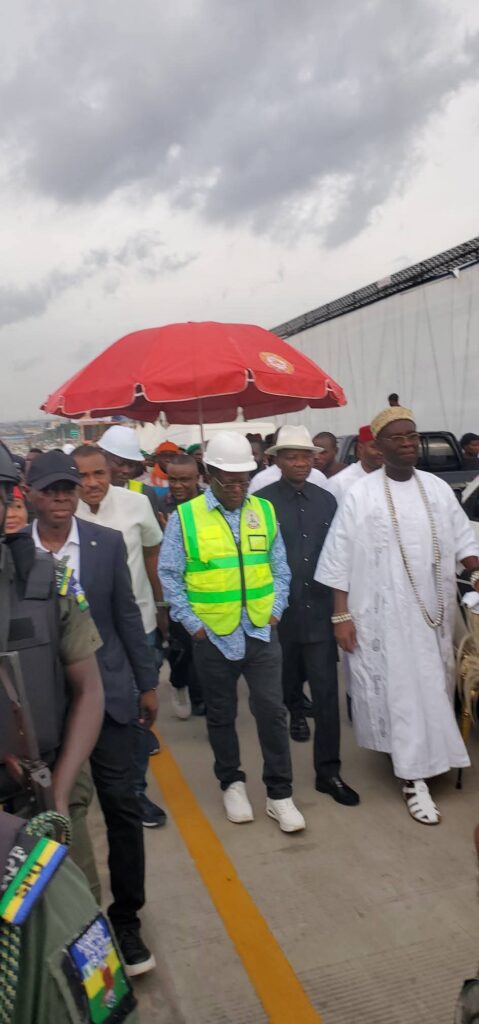
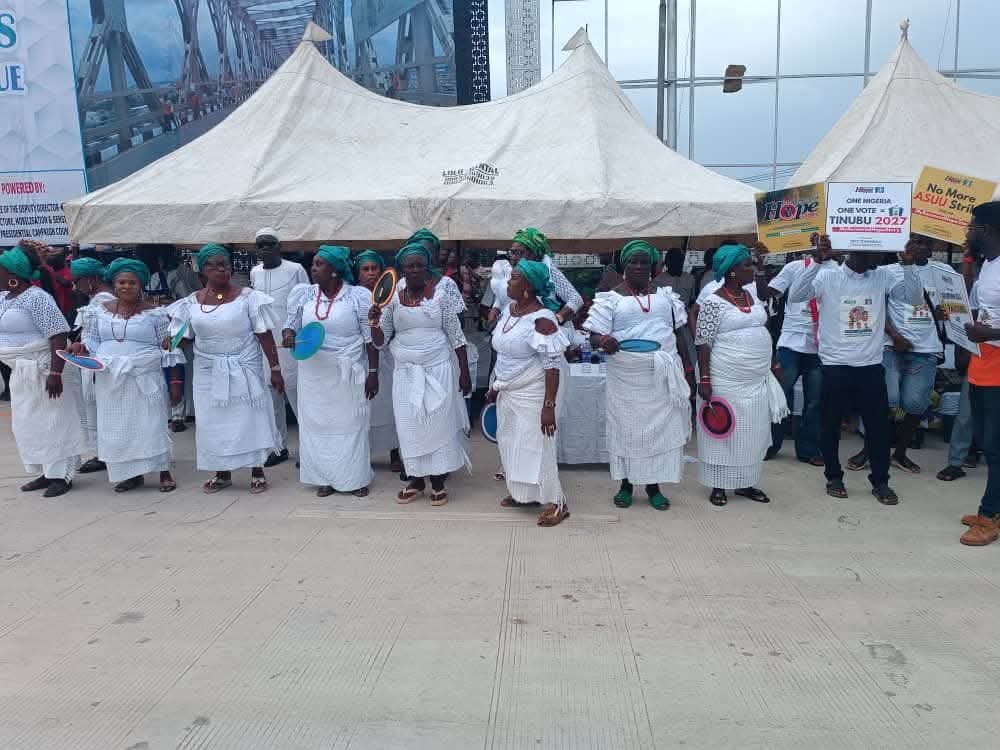
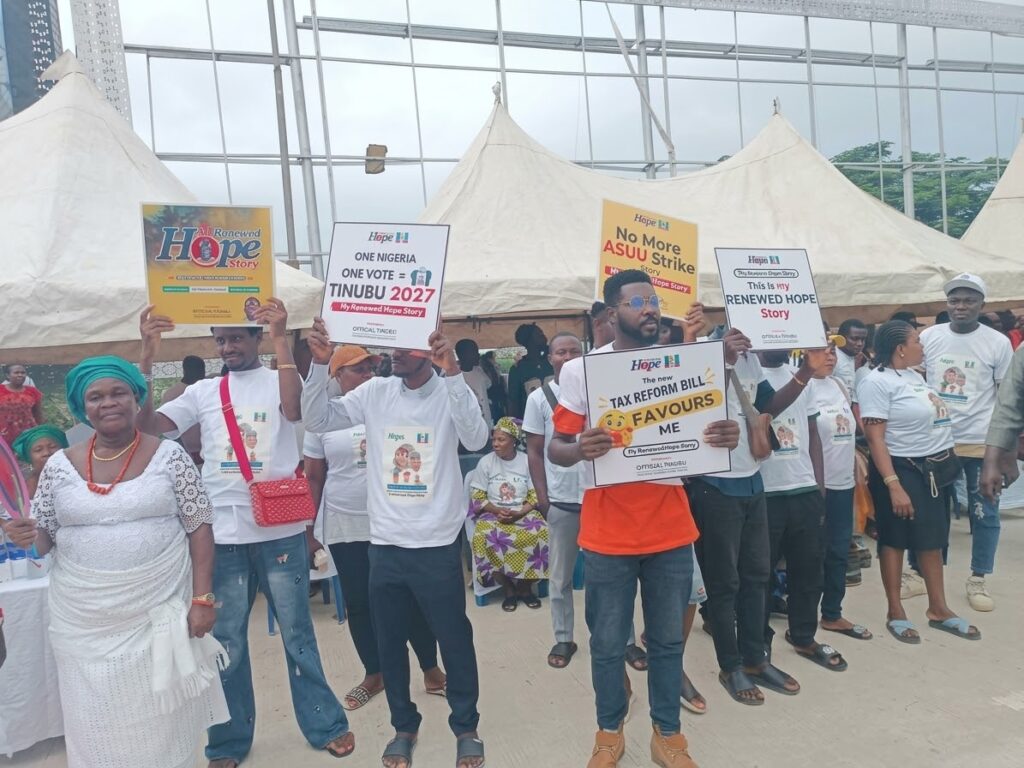
At the reopening ceremony, Minister of Works, David Umahi, praised President Bola Tinubu for what he described as his commitment to infrastructure development across the South-East, South-South and other parts of the country.

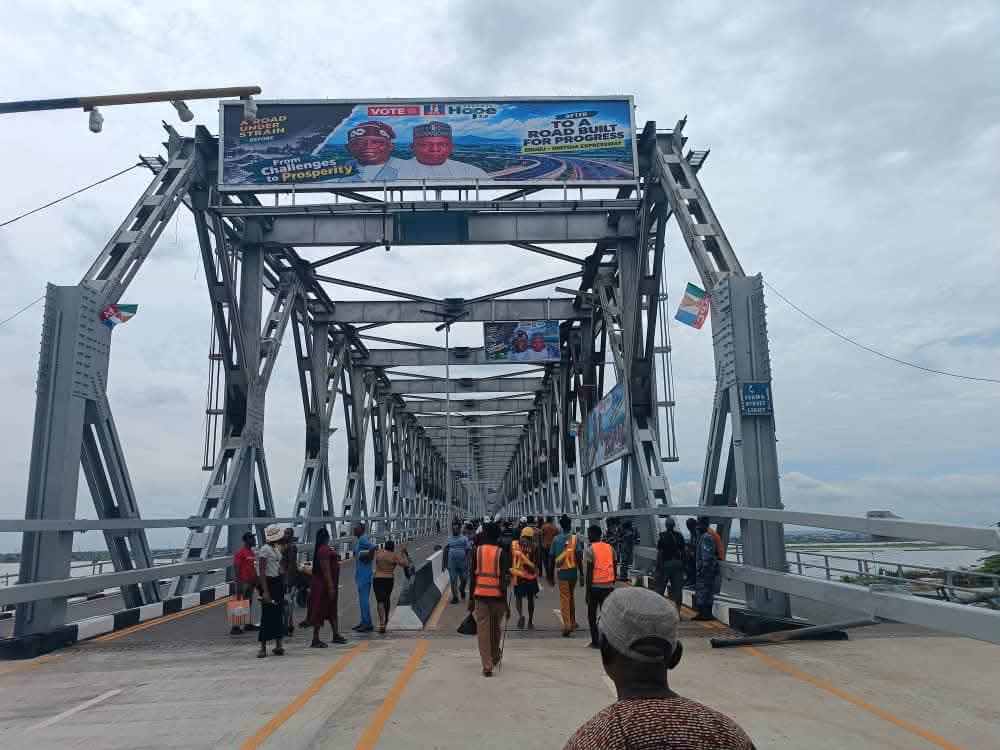
Photographs of Tinubu and Vice President Kashim Shettima were displayed on the bridge, following an earlier directive by Umahi that the structure be decorated with the President’s photographs in recognition of his administration’s infrastructure projects in the region.

Umahi: Tinubu Has Delivered Infrastructure to the South-East
Speaking at the event, Umahi said the Federal Government was extending the same level of attention to the Second Niger Bridge and other critical infrastructure projects as it had given to major bridges in other parts of the country.
According to him, the Tinubu administration is committed to ensuring that infrastructure development is not restricted to any particular region.
“What other regions of the country are getting, the South-East and South-South are also getting from President Tinubu’s government,” he said.
The minister added that the Federal Government was constructing roads and bridges designed to last up to 100 years.
He also commended the contractor handling the rehabilitation, SKCC, for what he described as a job well done.
“All the necessary infrastructure and the vandalised components at the bridge have been fixed to ensure free flow of traffic. The rehabilitation works carried out were aimed at easing traffic and ensuring the safety of road users,” Umahi said.
Umahi Takes Dig at Peter Obi, Declares Support for Tinubu
The minister, who intermittently sang the campaign song, “On Your Mandate We Shall Stand,” used the occasion to defend Tinubu’s performance and criticise the presidential ambition of former Labour Party candidate Peter Obi.
Umahi challenged critics of the President to identify an alternative capable of delivering comparable infrastructure development.
“I am not into regional politics; I am following who is performing. Can anybody give us an alternative to President Bola Tinubu, who has salvaged the country from a catastrophic situation? Can Peter Obi do what Tinubu is doing?” he asked.
He maintained that infrastructure development should be the primary measure of democratic leadership, citing ongoing federal road projects and the planned dualisation of the Oba–Okigwe Expressway.
“Democracy is about development and infrastructure. We are here to demonstrate that the South-East is for President Tinubu,” the minister said.
Umahi further declared that he had no regrets supporting Tinubu, expressing confidence in the President’s leadership and his administration’s commitment to the region.
“We have no regret supporting President Bola Tinubu. Let me declare, in opening this bridge, that I have no regret supporting Mr President.
“I am very, very proud for him to be my boss. He is the most qualified and eminently qualified to lead this country,” he added.
The minister also called on political groups, including supporters of Obi, to comply with regulations governing advertisements along federal highways.
“No one has the right to put billboards on the federal highways. Tell Peter Obi and the Obidient Movement that if they pay, they will be allowed to put their billboards on the highways,” Umahi said.
Tinubu’s Pictures Displayed on the Bridge
Umahi said the display of the President’s photographs was intended to acknowledge his administration’s infrastructure interventions in the South-East and South-South.
During an earlier inspection of the bridge, the minister had directed that illegal advertisements be removed and replaced with photographs of Tinubu.
According to him, the decision was a way of recognising the President’s efforts in the region.
“The President has worked so hard, and we need to reward his hard work by decorating this bridge with his pictures,” Umahi had said.
At Thursday’s ceremony, he reiterated his appreciation for the President before formally declaring the bridge open.
“And so, by the power of Mr President and in our deep appreciation of what he has done for the people of South-South and South-East in this bridge, it is my humble pleasure, and with gratitude to God Almighty, to open this bridge for the benefit of our people, in Jesus’ name,” he said.
FG Reiterates Ban on Sand Mining Near the Bridge
The Minister of Works also reiterated the Federal Government’s prohibition of sand mining around the First Niger Bridge, warning against activities that could undermine the safety and structural integrity of the infrastructure.
Umahi insisted that anyone intending to engage in sand mining must maintain a distance of at least 10 kilometres from the bridge.
The warning underscores the government’s concerns about activities around the bridge and the need to protect the structure against potential damage.
Rehabilitation Works Completed as Final Touches Continue
Findings by AnambraDaily indicated that key rehabilitation works had been completed before the reopening, although some finishing activities were still ongoing.
Sections of the bridge’s railings had been repainted, with some painters seen applying final touches during the reopening exercise.
The newly installed road demarcations had also been painted, while closed-circuit television cameras were installed at different sections of the bridge alongside other infrastructure components.
Traditional rulers from Anambra and Delta states who attended the ceremony commended the Federal Government for the rehabilitation, describing it as a significant intervention on the bridge, which has served motorists since 1965.
Motorists Welcome Reopening, Hope for Lower Transport Costs
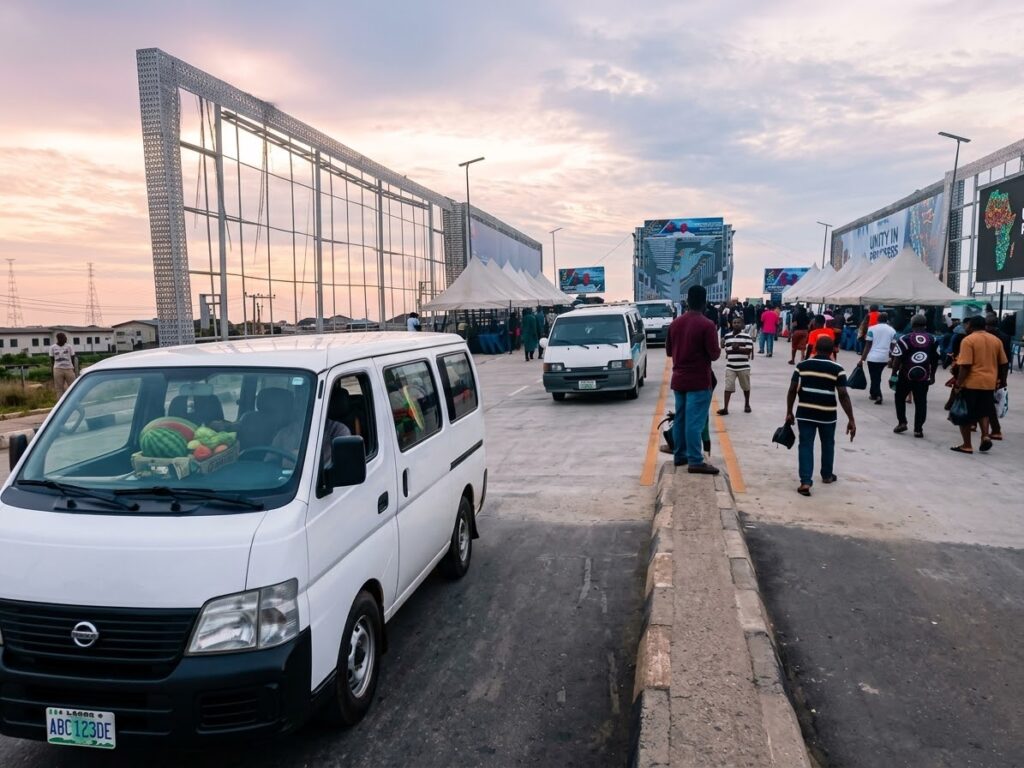
Some motorists who spoke to AnambraDaily expressed relief over the reopening, saying it would ease the difficulties experienced by commuters during the closure.
They noted that the diversion of traffic to alternative routes had increased travel time, caused inconvenience and contributed to higher transportation costs.
With the bridge now reopened, commuters and transport operators are expected to benefit from improved movement between Onitsha and Asaba, two major commercial centres in the South-East and South-South.
The First Niger Bridge remains a vital transportation link for commercial activities, passenger movement and the distribution of goods between both regions.
Its reopening is expected to restore smoother traffic flow across the River Niger, although the long-term benefits will depend on continued maintenance, effective traffic management and protection of the bridge’s structural components.
#