Cityscope
Anambra Stakes Claim in Nigeria’s Tourism Race with Solution Fun City

By Mary Obi, Awka
ANAMBRA State has made one of its boldest moves yet to reposition itself beyond commerce and into leisure, unveiling a sprawling entertainment hub that officials say could redefine tourism in southeastern Nigeria.
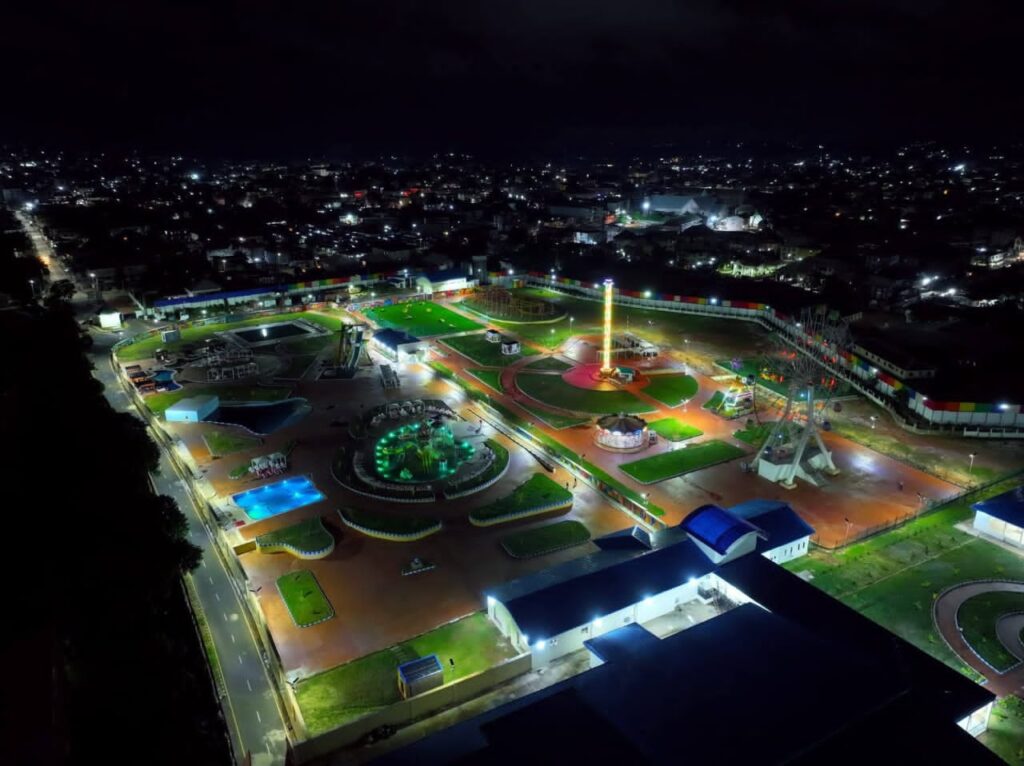
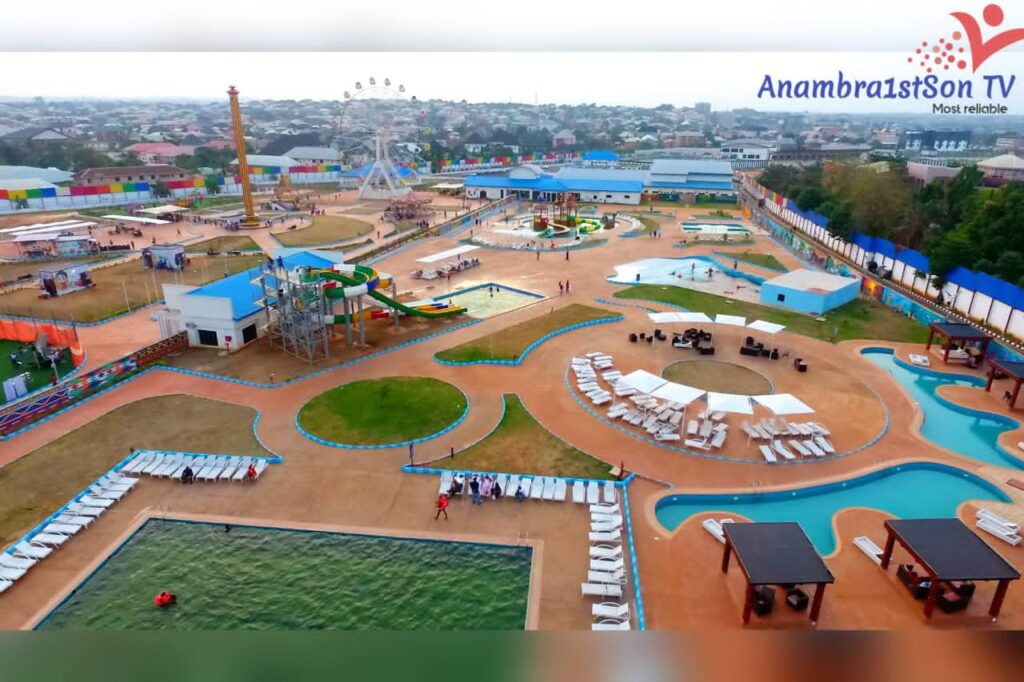
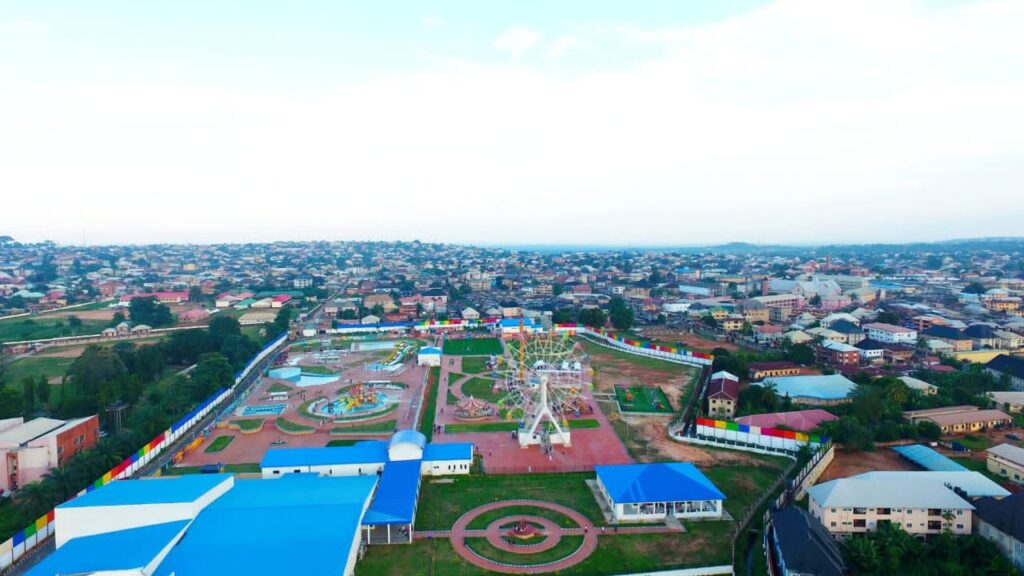
The facility, Solution Fun City, sits in the heart of Awka and stretches across 12.7 hectares—an expanse that state authorities describe as the largest integrated amusement and water park in the region. Conceived under Governor Chukwuma Soludo and officially commissioned on May 8, 2025 by President Bola Tinubu, the project signals a deliberate shift in how the state plans to grow its economy.
For decades, Anambra has relied heavily on trade, remittances and federal allocations. This project suggests a different direction: building a homegrown tourism economy that keeps leisure spending within the state and attracts visitors from across Nigeria.
Government officials argue that the impact is already beginning to ripple outward. Hotels, transport operators, food vendors and small businesses in Awka are seeing early signs of increased activity, according to the governor’s media aide, Daniel Ezeigwe. The expectation is straightforward—if sustained, the park could create jobs, widen income opportunities and inject new energy into sectors that depend on foot traffic.
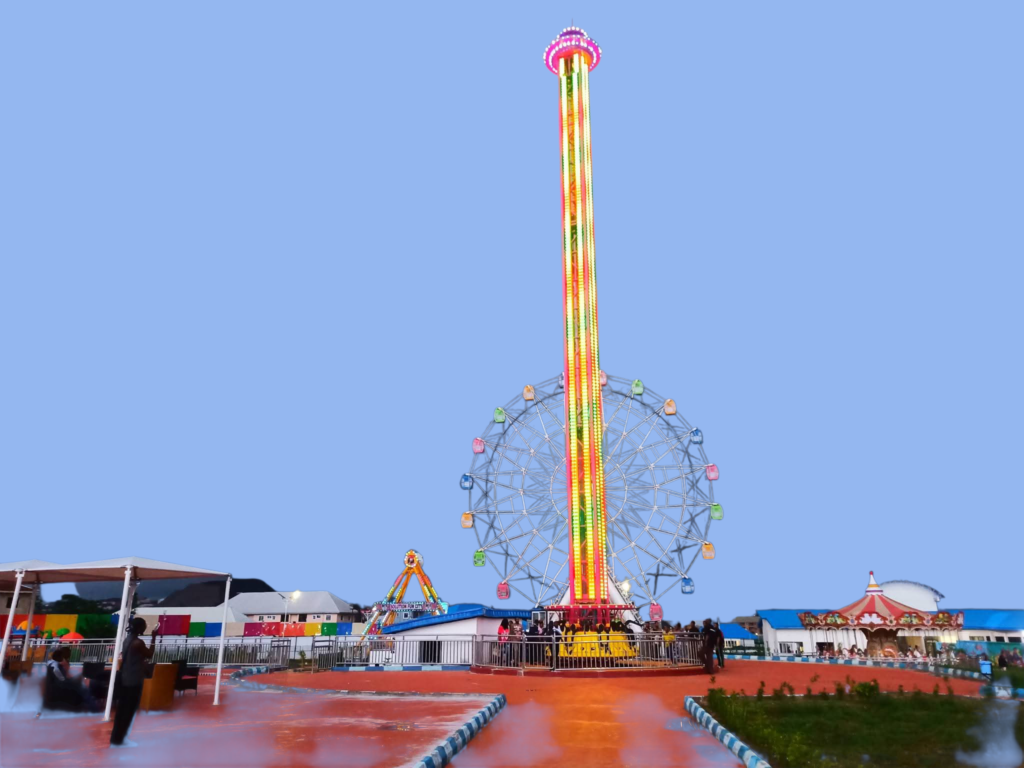
Inside the complex, the offering is designed to compete with better-known leisure destinations in Lagos and Abuja. Visitors encounter a mix of high-adrenaline and family-friendly attractions: towering roller coasters, a Ferris wheel overlooking the city skyline, expansive water slides, an Olympic-sized swimming pool, cinemas, indoor gaming arcades and virtual reality zones. A country club rounds out the experience, targeting higher-end visitors and corporate clients.
Pricing is another strategic lever. Entry starts at about ₦400, a figure officials say is intentionally low to reflect local spending realities. In a country where rising costs have squeezed discretionary income, affordability could determine whether the park becomes a mass destination or remains a novelty.
Structurally, the government has avoided running the facility as a typical state agency. Instead, Solution Fun City operates as an independent company with a professional board—an approach aimed at reducing bureaucratic drag and improving long-term viability. Revenues, if realized at scale, are expected to fund similar developments across the state.
Still, the optimism is tempered by familiar concerns. Analysts note that Nigeria’s track record with large public leisure projects is mixed, often undermined by poor maintenance, inconsistent power supply and security challenges. For Solution Fun City, the real test will not be the launch—but whether it can deliver a consistent, safe and high-quality experience months and years down the line.
For Anambra residents, the project carries symbolic weight. It is both an economic bet and a statement of intent: that the state can compete not just as a commercial hub, but as a destination.
Whether that ambition holds will depend less on the size of the park—and more on the discipline required to keep it running.